Earth's Tectonic Engine Tearing Apart: Scientists Witness Subduction Zone Collapse
For the first time, scientists have directly observed a subduction zone actively breaking apart beneath the Pacific Northwest. Using advanced seismic imaging, researchers from Louisiana State University documented the Juan de Fuca and Explorer plates tearing into fragments, forming microplates in a gradual, piece-by-piece collapse. This groundbreaking discovery reveals how Earth's tectonic systems end their life cycles and provides new insights into earthquake dynamics. The research, published in Science Advances, offers unprecedented real-time evidence of a process previously only theorized.
In a groundbreaking geological discovery, scientists have captured the first direct evidence of a subduction zone actively breaking apart beneath the Pacific Northwest. This unprecedented observation provides real-time insight into how Earth's tectonic systems end their life cycles, offering new understanding of earthquake risks and continental evolution.
The Dying Subduction Zone
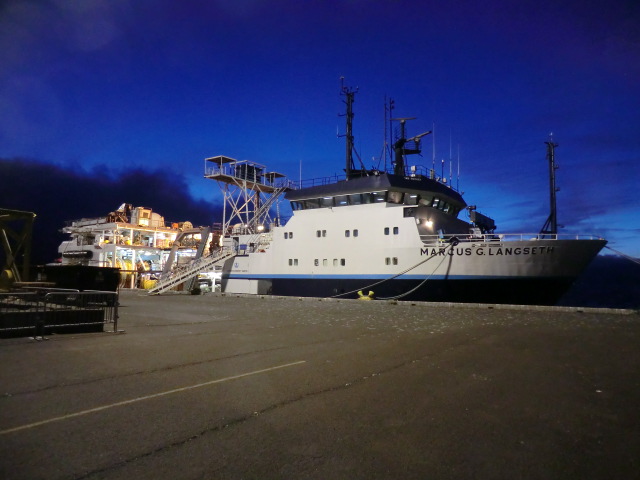
Researchers from Louisiana State University used seismic reflection imaging during the 2021 Cascadia Seismic Imaging Experiment (CASIE21) to observe the Juan de Fuca and Explorer plates tearing apart as they slide beneath the North American plate. The technique, essentially an ultrasound of Earth's interior, revealed deep fractures where the oceanic plate is snapping into fragments.
According to lead researcher Brandon Shuck, "This is the first time we have a clear picture of a subduction zone caught in the act of dying. Rather than shutting down all at once, the plate is ripping apart piece by piece, creating smaller microplates and new boundaries." The process represents what scientists call "episodic" or "piecewise" termination, where transform boundaries act like natural scissors slicing across the plate.
How Subduction Zones End
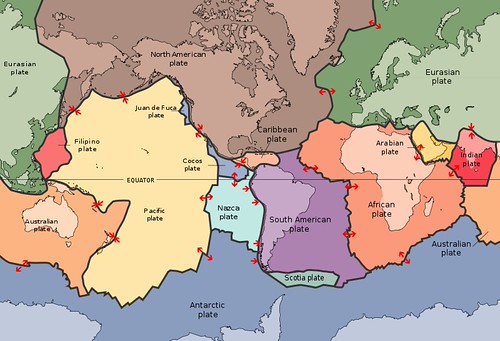
Subduction zones represent some of Earth's most powerful geological features, responsible for moving continents, triggering massive earthquakes, and recycling planetary crust. However, these systems are not permanent, and their termination has long puzzled scientists. The new research reveals that instead of catastrophic collapse, subduction zones die through gradual tearing.
The study identified enormous tears running through the oceanic plate, including a major offset where one section has dropped approximately five kilometers. Earthquake data along the 75-kilometer tear shows varying seismic activity, with some areas falling silent as sections completely detach. This progressive breakdown occurs over millions of years, with each fragment loss reducing the plate's momentum until the entire subduction process grinds to a halt.
Implications for Earthquake Science
While this discovery doesn't significantly change short-term earthquake risks for the Pacific Northwest, it provides crucial insights into how complex fault systems behave. Cascadia remains capable of generating very large earthquakes and tsunamis, but understanding these newly identified breaks will help refine hazard assessments.
The research helps explain puzzling features from Earth's geological past, including abandoned tectonic plate fragments and unexpected volcanic activity patterns. The process observed in Cascadia matches evidence found off Baja California, where fossil microplates from the ancient Farallon plate suggest similar termination mechanisms occurred in the past.
As scientists continue to investigate whether major earthquakes could rupture across these newly formed tears, the research represents a significant advancement in understanding how Earth's most powerful geological engines ultimately come to rest. The findings, published in Science Advances, mark a new chapter in tectonic science, providing direct observation of processes that shape our planet over geological timescales.