Read on Global News
Tragic Toll of Unexploded Ordnance in Gaza: A Family's Ceasefire Nightmare
During a temporary ceasefire in Gaza, the Shorbasi family's hopeful return home turned to tragedy when 6-year-old twins Yahya and Nabila were critically injured by an unexploded ordnance they mistook for a toy. The incident highlights the ongoing dangers facing Palestinian civilians as they navigate rubble-strewn neighborhoods, with hundreds of unexploded devices remaining active despite the ceasefire. Medical workers report life-threatening injuries including lost limbs and internal damage, while UN officials warn of 'incredibly high' explosive risks throughout Gaza's devastated landscape.
The relative calm of a ceasefire in Gaza brought a brief moment of hope for displaced families seeking to return to what remained of their homes. For the Shorbasi family, this hopeful homecoming turned to tragedy when 6-year-old twins Yahya and Nabila discovered an unexploded ordnance while playing outside their severely damaged Gaza City residence. The device detonated upon contact, leaving both children with life-threatening injuries and underscoring the persistent dangers that remain even during periods of relative peace.

The Immediate Aftermath
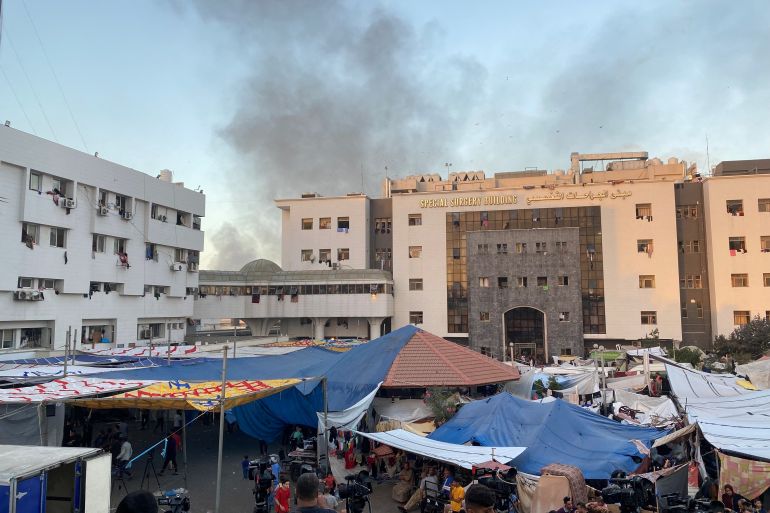
The explosion occurred as the family sat inside their home, enjoying the ceasefire's temporary calm. Rushing outside at the sound of the blast, they discovered both children bleeding on the ground. "It was like a toy," their grandfather Tawfiq Shorbasi recounted at Shifa hospital, where the children were urgently transported. The emotional toll was immediate and devastating, with family members describing how the children's lives had been "ruined forever" just days after their hopeful return.
Medical Crisis and Injuries
Both children suffered catastrophic injuries requiring emergency surgery. Medical professionals described Yahya as having lost a hand, while Nabila sustained severe head injuries. A British emergency physician working at one of Gaza's hospitals told The Associated Press that the twins had life-threatening injuries including a hole in the bowel, broken bones, and potential loss of a leg. Their faces were freckled with tiny shrapnel wounds, visible evidence of the explosion's violence.
Broader Pattern of Danger
The Shorbasi twins' tragedy represents just one incident in a growing pattern of unexploded ordnance injuries. According to Gaza's Health Ministry, five children were wounded by unexploded devices in the week following the ceasefire. The UN Mine Action Service (UNMAS) has documented at least 52 Palestinians killed and 267 wounded by unexploded ordnance since the conflict began, with officials warning the actual numbers could be significantly higher.
Systemic Challenges
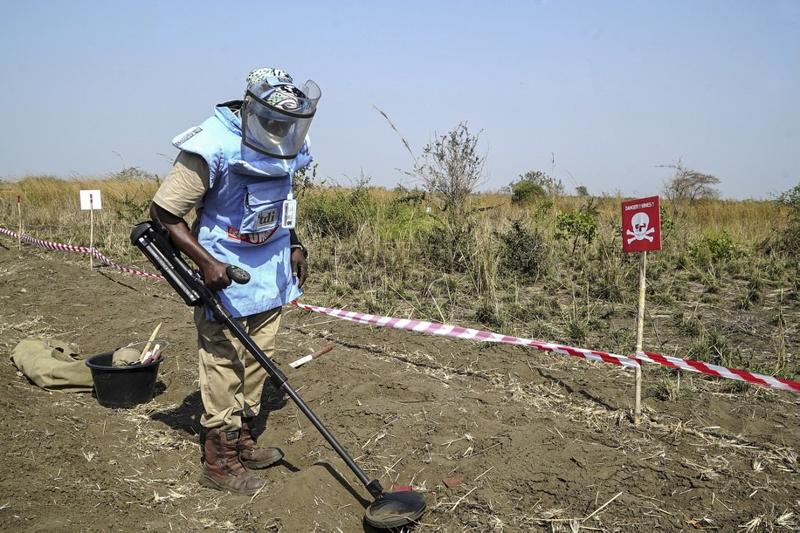
Luke Irving, head of UNMAS in the Palestinian territories, has emphasized the "incredibly high" explosive risk facing both aid workers and returning residents. During the current ceasefire, teams have already identified 560 unexploded ordnance items, with many more likely buried beneath the estimated 60 million tons of debris across Gaza. The scale of destruction creates a perfect environment for hidden dangers to remain undetected until tragedy strikes.
Ongoing Humanitarian Crisis
Medical professionals express grave concerns about recovery prospects for injured children like the Shorbasi twins. Gaza's severe shortage of medicine and medical supplies complicates even basic treatment, let alone the complex care required for such severe injuries. As one doctor noted, "We're talking about a ceasefire, but the killing hasn't stopped"—referring to the ongoing threat posed by unexploded munitions.
Conclusion: The Hidden Cost of Conflict
The tragedy of the Shorbasi family illustrates how the dangers of conflict extend far beyond active combat periods. Unexploded ordnance represents a silent, persistent threat that continues to claim victims even during ceasefires. As international de-mining experts prepare to expand their efforts in Gaza, families returning to damaged homes face the impossible choice between seeking shelter and risking their lives in environments where danger lurks beneath the rubble. The Shorbasi twins' story serves as a stark reminder that the true cost of conflict continues long after the fighting stops.