Trump Administration's Push for International Security Force in Gaza
The Trump administration is actively working to establish an international security force in Gaza to support the ceasefire between Israel and Hamas. Recent visits by top U.S. officials, including Secretary of State Marco Rubio, highlight the coordination efforts at a U.S.-led center in Israel where approximately 200 American troops are working alongside Israeli military and international partners from countries including Cyprus, Greece, France, Germany, Australia, and Canada. The administration is seeking broader international support, particularly from Gulf Arab nations, while addressing critical questions about the force's mandate, command structure, and rules of engagement.
The Trump administration is intensifying efforts to establish an international security force in Gaza, aiming to bolster the fragile ceasefire between Israel and Hamas. This initiative represents a significant diplomatic and security undertaking as the United States seeks to stabilize the region and facilitate Gaza's reconstruction while maintaining the tenuous peace agreement.

US-Led Coordination Center Operations
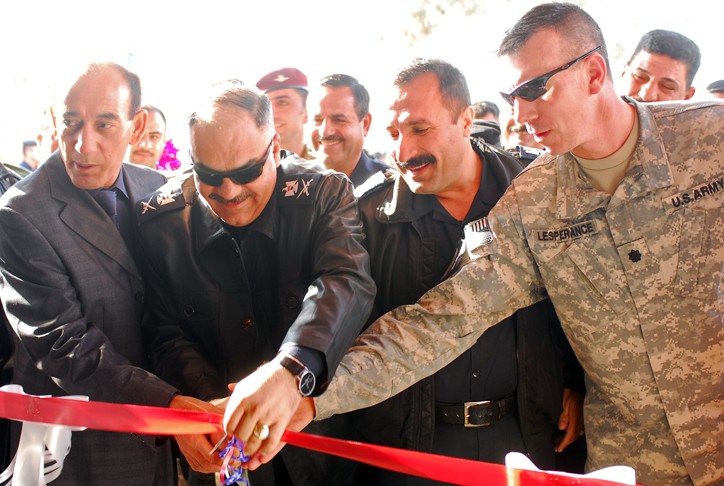
The centerpiece of American involvement is a U.S.-led coordination facility in Kiryat Gat, Israel, where approximately 200 U.S. troops are working alongside Israeli military personnel and international delegations. According to recent reports, the center includes personnel from multiple allied nations, with visible representation from Cyprus, Greece, France, Germany, Australia, and Canada. This multinational approach underscores the global interest in maintaining stability in the region.
Administration's Diplomatic Push
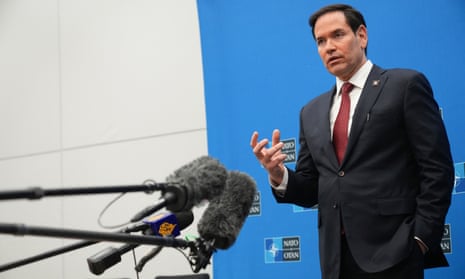
Secretary of State Marco Rubio's recent visit to the coordination center marks the latest in a series of high-level U.S. engagements. The administration has deployed multiple senior officials, including Vice President JD Vance and envoys Steve Witkoff and Jared Kushner, demonstrating the priority placed on this initiative. During his tour, Rubio expressed optimism about the progress made in the initial implementation phase, noting that despite challenges, significant groundwork has been laid for the stabilization effort.
International Force Framework
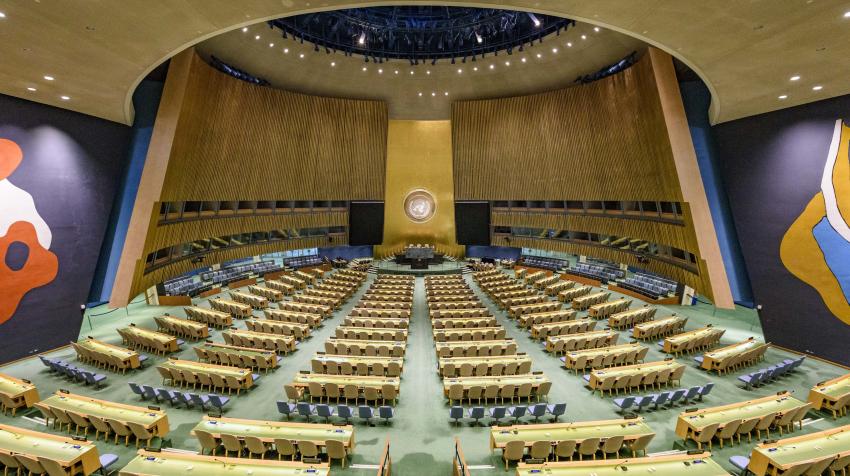
The administration is actively working to secure international authorization for the proposed security force, recognizing that many potential participant countries require a United Nations mandate or similar international approval before committing troops. Rubio emphasized the importance of clarifying critical operational details, including the force's specific mandate, command structure, rules of engagement, and leadership. These elements are essential for attracting international participation and ensuring Israel's comfort with the participating nations.
Humanitarian and Reconstruction Challenges
While security arrangements progress, the humanitarian situation in Gaza remains dire. Palestinians returning to Gaza City face overwhelming challenges, with many finding their homes reduced to rubble and struggling to secure basic necessities. The administration has outlined plans involving a conglomerate of up to a dozen groups for aid distribution, explicitly excluding UNRWA due to concerns about the agency's alleged connections with Hamas, despite the International Court of Justice's ruling that Israel must allow UNRWA to provide humanitarian assistance.
Path Forward
The success of the international security force initiative hinges on several factors: securing broad international participation, particularly from Gulf Arab nations; establishing clear operational parameters that satisfy both participant countries and Israel; and addressing the urgent humanitarian needs while maintaining security stability. As the administration continues its diplomatic efforts, the coordination center serves as the operational hub for planning both immediate stabilization measures and long-term reconstruction strategies for Gaza.