MIT Discovery: Cysteine Amino Acid Enhances Gut Healing and Regeneration
MIT researchers have uncovered a groundbreaking discovery about the amino acid cysteine and its remarkable ability to enhance gut healing. In mouse studies, a cysteine-rich diet activated specific immune cells that release molecules accelerating tissue repair in the small intestine. This natural dietary approach shows promise for helping regenerate the gut lining after damage from radiation or chemotherapy treatments, potentially offering new therapeutic options for cancer patients and others with intestinal damage.
Researchers at MIT have made a significant breakthrough in understanding how the gut can naturally heal itself, with their findings pointing to the amino acid cysteine as a key player in intestinal regeneration. This discovery opens new possibilities for helping patients recover from gut damage caused by medical treatments like radiation and chemotherapy.
The Cysteine Discovery
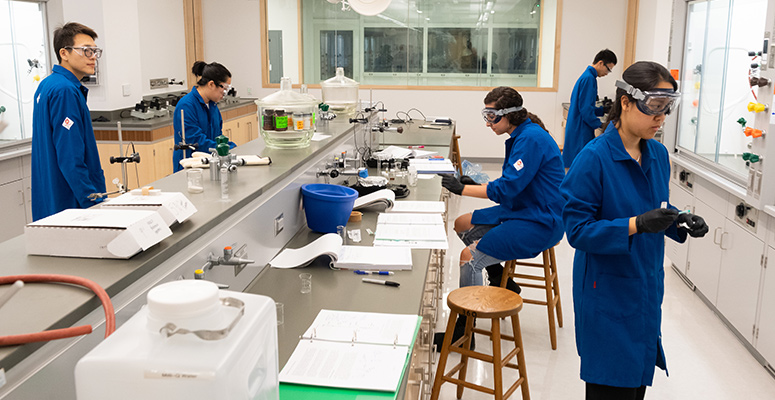
The MIT research team, led by Omer Yilmaz, director of the MIT Stem Cell Initiative, conducted systematic studies examining how different amino acids affect intestinal stem cell activity. Their investigation revealed that cysteine produced the most significant impact, dramatically increasing both stem cells and progenitor cells in the intestine. As Yilmaz explains, "The beauty here is we're not using a synthetic molecule; we're exploiting a natural dietary compound."
How Cysteine Activates Healing
The mechanism behind cysteine's healing power involves a sophisticated immune signaling pathway. When intestinal cells absorb cysteine from food, they convert it into CoA, a cofactor that moves into the mucosal lining. There, CD8 T cells take up CoA, triggering them to multiply and release a signaling molecule called IL-22.

This discovery is particularly significant because scientists previously didn't know that CD8 T cells could produce IL-22, which plays a crucial role in regulating intestinal stem cell regeneration. Yilmaz notes, "What's really exciting here is that feeding mice a cysteine-rich diet leads to the expansion of an immune cell population that we typically don't associate with IL-22 production and the regulation of intestinal stemness."
Practical Applications and Future Research
The research demonstrated that mice on cysteine-rich diets showed improved repair of radiation damage to their intestinal lining. Additional unpublished work suggests the same diet helps regeneration after treatment with 5-fluorouracil, a chemotherapy drug commonly used for colon and pancreatic cancers that can harm intestinal tissue.
Beyond its potential applications for cancer patients, the MIT team is exploring whether cysteine can stimulate regeneration in other tissues. One ongoing project is testing whether cysteine can promote hair follicle regrowth, while other research continues to investigate how different amino acids influence stem cell renewal and overall gut health.
This research represents a significant step forward in understanding how individual nutrients, rather than just broad dietary patterns, can influence tissue regeneration and healing processes throughout the body.