Louvre Museum Jewel Heist: Analysis of the Brazen Daylight Robbery
The Louvre Museum in Paris experienced a sophisticated daylight robbery where thieves made off with historic royal jewels valued at over $100 million. Using a cherry picker to access the museum's second-floor Apollo Gallery, the perpetrators executed the heist in under eight minutes before escaping on motorbikes. This incident has raised serious questions about museum security protocols and prompted an international investigation involving approximately 100 investigators.
The recent jewel heist at the Louvre Museum represents one of the most audacious art thefts in modern history. Security footage obtained by French media outlet BFMTV reveals the sophisticated escape method employed by the thieves, who used a powered extendable ladder to lower themselves to the ground outside the world's most-visited museum. The brazen daylight robbery has exposed significant security vulnerabilities at one of France's most iconic cultural institutions.
The Heist Execution
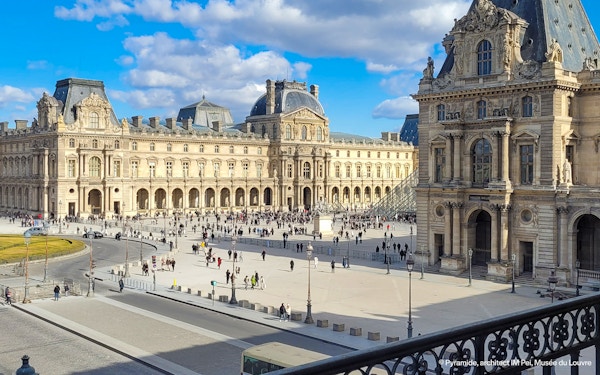
The robbery unfolded approximately 30 minutes after the museum opened on Sunday, with visitors already inside the premises. According to investigative reports, the thieves entered from outside using a cherry picker via the riverfront facade to reach the second-floor Galerie d'Apollon, which houses the crown jewels collection. The entire operation lasted less than eight minutes, demonstrating precise planning and execution by the perpetrators.
Escape Footage Analysis
The obtained video footage shows two men making their escape on the powered ladder system. One individual wore a neon vest while the other sported a motorcycle helmet, and neither appeared rushed during their descent to the waiting stolen truck outside the museum. Once reaching ground level, the thieves disappeared from camera view but reportedly escaped on motorbikes. The footage was captured from inside the Louvre overlooking the Seine, though the original source remains unconfirmed by authorities.

Security Failures and Response
Louvre director Laurence des Cars acknowledged significant security shortcomings during a Senate cultural committee hearing. She revealed that the museum had a shortage of security cameras outside the monument and other "weaknesses" exposed by Sunday's theft. "Today we are experiencing a terrible failure at the Louvre, which I take my share of responsibility in," des Cars stated. The only camera covering the Apollo Gallery faced west and failed to capture the balcony where the break-in occurred.
Investigation Progress
French prosecutor Laure Beccuau confirmed that approximately 100 investigators have been assigned to the case. Four individuals have been identified as participating in the robbery, and investigators have recovered DNA samples from a helmet and gloves left at the scene. The thieves threatened museum guards with the angle grinder used to break into the jewelry cases before fleeing. Despite extensive analysis of video footage from around the museum and Paris highways, the jewels remain missing and the perpetrators are still at large.

Aftermath and Security Enhancements
In response to the security breach, des Cars proposed several enhancements including barriers to prevent vehicles from parking directly alongside the museum's buildings and establishing a police station inside the museum. The Louvre welcomes 30,000 visitors daily and employs 2,300 workers, making comprehensive security particularly challenging. The museum has also changed its website slogan from "Escape to the Louvre" to simply "Louvre Museum" following the incident.
The Louvre jewel heist serves as a stark reminder of the ongoing challenges facing major cultural institutions in balancing public accessibility with robust security measures. As the investigation continues, international art security experts are closely monitoring developments that could influence security protocols at museums worldwide.