Ketogenic Diet Shows Promise in Protecting Brain Health Against Alzheimer's Risk
University of Missouri researchers have discovered that a ketogenic diet may offer significant protection against Alzheimer's disease, particularly for individuals with the APOE4 genetic risk factor. Their groundbreaking study reveals that female mice with the APOE4 gene showed improved gut health and enhanced brain energy when following a high-fat, low-carbohydrate diet. The findings point toward personalized nutrition approaches that could help preserve cognitive function long before Alzheimer's symptoms typically appear, offering new hope for early intervention strategies in brain health preservation.
Groundbreaking research from the University of Missouri suggests that dietary interventions may hold the key to protecting brain health in individuals genetically predisposed to Alzheimer's disease. Scientists are exploring how a ketogenic diet—characterized by high healthy fat intake and minimal carbohydrates—could potentially slow or prevent cognitive decline, particularly in those carrying the APOE4 gene variant associated with increased Alzheimer's risk.

The APOE4 Gene and Brain Energy Metabolism
The APOE4 gene represents the strongest known genetic risk factor for late-onset Alzheimer's disease, affecting millions of people worldwide. According to research published in the Journal of Neurochemistry, individuals with this gene variant, particularly females, struggle to convert glucose into usable brain energy efficiently. This metabolic challenge can lead to cognitive decline over time as brain cells become energy-deprived and vulnerable to damage.
How Ketogenic Diet Provides Alternative Brain Fuel
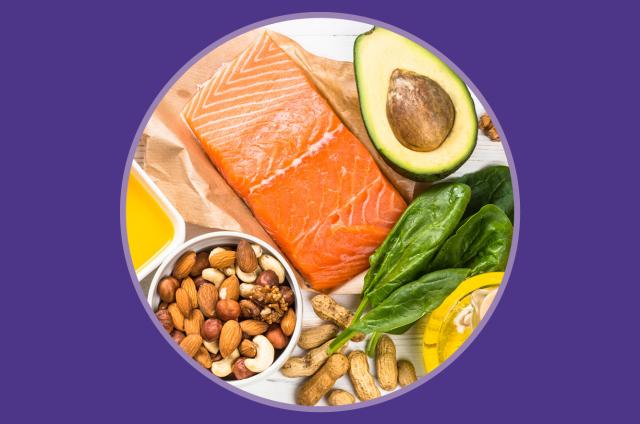
The ketogenic diet offers a potential solution by shifting the brain's primary energy source from glucose to ketones. When carbohydrate intake is significantly reduced, the body enters a state of ketosis, producing ketone bodies from stored fats. These ketones serve as an efficient alternative fuel source that bypasses the glucose conversion problems faced by APOE4 carriers. Doctoral student Kira Ivanich explains, "By switching to a keto diet, ketones are produced and used as an alternative fuel source. This may decrease the chance of developing Alzheimer's by preserving the health of brain cells."
Gender-Specific Benefits and Gut-Brain Connection
One of the most significant findings from the Mizzou study involves the gender-specific nature of the diet's benefits. Female mice with the APOE4 gene demonstrated remarkable improvements in both gut microbiota health and brain energy levels when following the ketogenic diet, while male mice showed minimal benefits. This discovery highlights the importance of considering gender differences in nutritional interventions and Alzheimer's prevention strategies. The research also revealed improvements in the gut-brain axis, suggesting that dietary changes can influence brain health through multiple interconnected pathways.
Precision Nutrition and Early Intervention
Professor Ai-Ling Lin emphasizes the value of "precision nutrition"—an approach that tailors dietary recommendations to individual biological factors including genotype, gut microbiome composition, gender, and age. Since Alzheimer's symptoms typically appear after age 65 and are often irreversible once established, the research team stresses the importance of early intervention. Lin notes, "The time to be thinking about preserving brain health is well before then, so hopefully our research can offer hope to many people through early interventions."

Future Directions and Clinical Applications
The University of Missouri's advanced research facilities, including the Roy Blunt NextGen Precision Health building, enable rapid translation from preclinical models to human trials. This collaborative environment allows researchers to move efficiently from animal studies to potential clinical applications. The team's findings open new avenues for developing personalized nutrition strategies that could help preserve cognitive function in at-risk populations, potentially delaying or preventing Alzheimer's onset through targeted dietary modifications.
While more research is needed to confirm these findings in human populations, the study represents a significant step forward in understanding how dietary interventions might protect brain health. The research underscores the potential of ketogenic diets as part of a comprehensive approach to Alzheimer's prevention, particularly for individuals with specific genetic risk factors who may benefit most from this nutritional strategy.