U.S. Military Strike Sinks Suspected Drug Submarine in Caribbean, Killing Two
President Donald Trump has confirmed a U.S. military strike destroyed a suspected drug-carrying submarine in the Caribbean, resulting in two fatalities. The operation, which Trump described as targeting a vessel loaded with fentanyl and other narcotics, marks at least the sixth such attack since early September. Two survivors are being repatriated to Ecuador and Colombia, raising legal questions about the administration's use of military force against drug cartels under the framework of an 'armed conflict.' The strikes have drawn bipartisan congressional concern over transparency and legal authority.
In a significant escalation of U.S. counter-narcotics operations, President Donald Trump has confirmed that American military forces destroyed a suspected drug-carrying submarine in the Caribbean, resulting in two fatalities. The strike, which occurred on Thursday, represents the latest in a series of military actions targeting vessels allegedly transporting narcotics toward the United States.

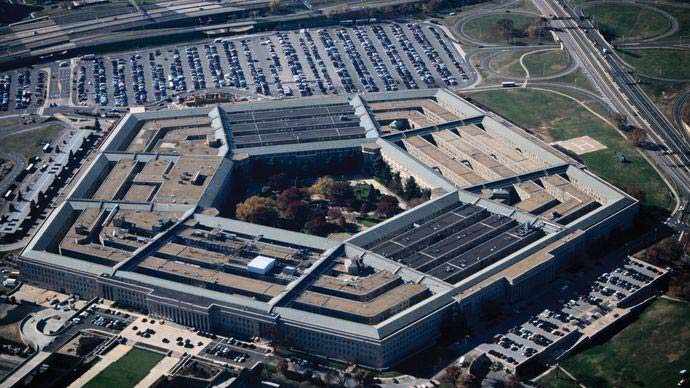
The operation targeted what Trump described as a "very large DRUG-CARRYING SUBMARINE" navigating toward the United States on a known narcotrafficking route. According to the president's statement on Truth Social, U.S. intelligence confirmed the vessel was loaded primarily with fentanyl and other illegal narcotics. The Pentagon subsequently released video footage showing the strike, depicting explosions hitting a partially submerged vessel moving through Caribbean waters.
Legal Framework and Repatriation Strategy
The Trump administration is treating the operation as part of an ongoing "armed conflict" with drug cartels, utilizing legal authorities similar to those employed in the global war on terrorism following the September 11 attacks. This framework allows for the use of lethal force against cartel leadership and the detention of combatants. The decision to repatriate the two survivors to their home countries of Ecuador and Colombia for "detention and prosecution" appears designed to avoid complex legal questions about their status within the U.S. justice system.
Congressional Concerns and International Implications
The strikes have generated unease among members of Congress from both political parties, with lawmakers expressing frustration about insufficient information regarding the operations' conduct. While most Republican senators recently supported the administration's position against requiring congressional approval for additional strikes, ongoing debates reflect broader concerns about the legal boundaries of such military actions. The administration's approach has also drawn scrutiny from legal scholars who question whether using military force against suspected drug traffickers stretches the limits of international law.
With this confirmed strike, U.S. military actions against vessels in the region have resulted in at least 29 fatalities. The administration's aggressive counter-narcotics strategy continues to evolve amid ongoing debates about the appropriate balance between law enforcement and military approaches to combating drug trafficking organizations.