PRIMA Retinal Implant: Revolutionary Technology Restores Reading Ability for Blind Patients
A groundbreaking medical breakthrough is transforming lives for patients with dry age-related macular degeneration. The PRIMA retinal implant, a tiny wireless chip powered by light and paired with augmented reality glasses, has enabled blind patients to regain the ability to read and navigate daily life. In clinical trials across Europe, 84% of participants who had lost central vision could once again recognize letters, numbers, and words. This innovative technology represents a significant leap forward in artificial vision restoration and offers new hope for millions living with geographic atrophy, a previously untreatable condition that affects approximately 5 million people worldwide.
The landscape of vision restoration technology has reached a pivotal moment with the development of the PRIMA retinal implant, a revolutionary device that is bringing light back to patients who had lost their sight to dry age-related macular degeneration. This breakthrough represents the first time blind patients have experienced meaningful central vision restoration, marking a new era in artificial vision technology that could transform the lives of millions worldwide.
Understanding the PRIMA System
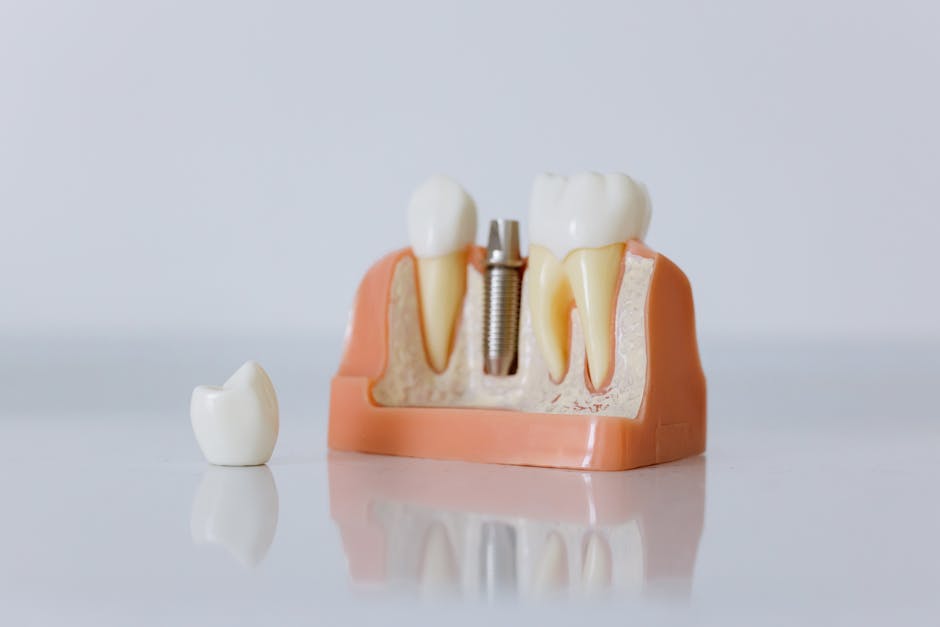
The PRIMA system consists of a remarkably small 2mm by 2mm microchip, comparable in size to a SIM card but only 30 micrometers thick—approximately half the width of a human hair. This wireless subretinal photovoltaic implant functions like a miniature solar panel, positioned beneath the central retina where it can bypass damaged retinal cells. The implant works in conjunction with specialized augmented reality glasses equipped with a video camera and a pocket-sized computer worn at the waist.
Clinical Trial Results and Impact
According to research published in The New England Journal of Medicine, the European clinical trial involving 38 patients across 17 hospitals demonstrated remarkable outcomes. An impressive 84% of participants regained the ability to recognize letters, numbers, and words using prosthetic vision in eyes that had previously gone completely blind due to geographic atrophy. Before receiving the implant, several patients couldn't even distinguish a standard vision chart, but after treatment, they could read an average of five lines on the chart.

How the Technology Works
The restoration process begins with a vitrectomy procedure where the eye's vitreous gel is removed, allowing surgeons to insert the PRIMA chip beneath the central retina. About a month after surgery, once healing is complete, the system is activated. The glasses' camera captures visual scenes and projects them as an infrared beam across the chip. Artificial intelligence algorithms in the waist-worn computer process this visual data and convert it into electrical signals that travel through remaining retinal and optic nerve cells to the brain, where they are interpreted as images.
Patient Rehabilitation and Adaptation
As Mr. Mahi Muqit, associate professor at the UCL Institute of Ophthalmology and senior vitreoretinal consultant at Moorfields Eye Hospital, explained in the study, "The rehabilitation process is key to these devices. It's not like you're popping a chip in the eye and then you can see again. You need to learn to use this type of vision." Patients undergo several months of training to interpret the new signals and regain reading skills, learning to scan text using the glasses and adjusting the zoom feature to magnify letters for better visibility.
Future Implications and Accessibility
The success of the PRIMA implant opens new possibilities for treating multiple eye conditions beyond dry AMD. The surgical procedure can be performed by any trained vitreoretinal surgeon in under two hours, making the technology potentially accessible to a broad patient population. With no current licensed treatment available for geographic atrophy, this medical device represents a crucial advancement in addressing a condition that affects approximately 5 million people globally.
The PRIMA retinal implant system marks a transformative moment in vision restoration technology. By combining advanced microelectronics, artificial intelligence, and neural engineering, this innovation not only restores functional vision but also returns independence and quality of life to patients who had lost hope. As regulatory approval processes move forward, this technology promises to become a standard treatment for geographic atrophy, offering new possibilities for millions living with vision loss worldwide.