Israel's Gaza Airstrikes Test Fragile Ceasefire with Hamas
Recent Israeli airstrikes and artillery fire in southern Gaza represent the most serious challenge to the October 11 ceasefire agreement with Hamas. The military actions targeted militants in the Rafah area following reported attacks on Israeli soldiers, while both sides exchange accusations of ceasefire violations. The situation threatens humanitarian aid delivery through the crucial Rafah crossing and complicates ongoing negotiations regarding hostage remains and long-term conflict resolution.
The fragile ceasefire between Israel and Hamas faced its most serious challenge on Sunday as Israeli military forces launched air strikes and artillery fire in southern Gaza. This escalation comes just over a week after the U.S.-mediated ceasefire took effect on October 11, raising concerns about the sustainability of the temporary peace agreement and its impact on humanitarian conditions in the region.
Military Actions and Justifications
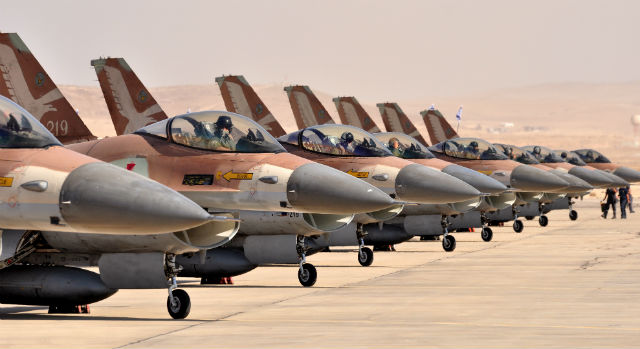
According to Israeli military statements, the strikes specifically targeted militants in the Rafah area who had opened fire on Israeli soldiers. The military claimed these operations destroyed tunnels and military buildings used by militant groups. Israeli Prime Minister Benjamin Netanyahu reinforced this position, stating that Israel would retaliate forcefully to any attacks on its soldiers, emphasizing the government's commitment to protecting military personnel operating in the region.
Hamas Response and Ceasefire Position
Hamas's armed wing, the Al-Qassam Brigades, issued a statement affirming their commitment to the ceasefire agreement across all areas of the Gaza Strip. The group claimed unawareness of clashes in Rafah and stated they had not been in contact with groups in that area since March. This contradictory narrative highlights the communication breakdown and trust issues that continue to plague the ceasefire implementation, with both sides offering conflicting accounts of the same events.
Humanitarian Impact and Regional Consequences
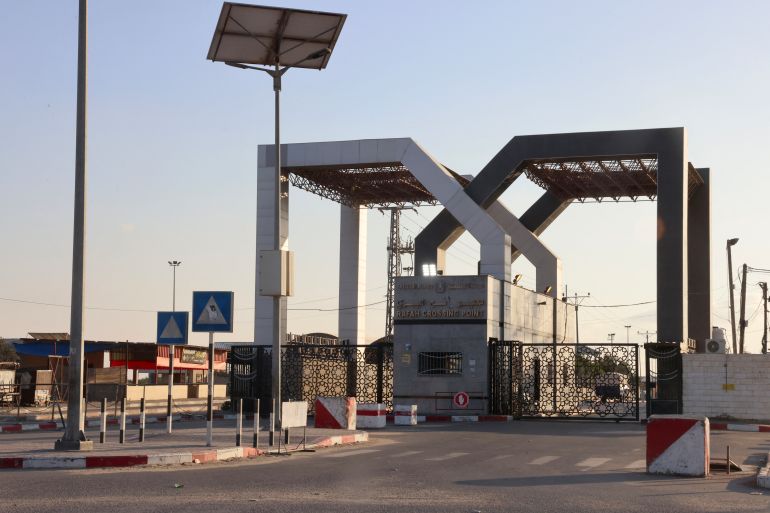
The renewed hostilities have immediate consequences for Gaza's civilian population and humanitarian situation. The Israeli government announced that the Rafah border crossing between Gaza and Egypt will remain closed until further notice, cutting off a crucial conduit for humanitarian aid. This closure is particularly concerning given that hundreds of thousands of people in Gaza were determined to be affected by famine in August, according to the IPC global hunger monitor. The crossing has historically functioned as a key entry point for essential supplies during previous ceasefire periods.
Broader Conflict Implications
The recent escalation occurs against the backdrop of unresolved fundamental issues in the Israel-Hamas conflict. Key questions regarding Hamas disarming, future governance of Gaza, the composition of an international stabilization force, and progress toward Palestinian statehood remain unanswered. Additionally, disputes continue over the return of deceased hostages' bodies, with Israel demanding Hamas fulfill its obligations regarding all 28 hostages. Hamas has returned all 20 live hostages and 12 deceased individuals but cites practical challenges in recovering additional bodies buried under rubble.

The ceasefire's fragility was further demonstrated by market reactions, with key Tel Aviv share indices dropping nearly 2% on Sunday amid renewed fighting concerns. This economic impact underscores how security developments directly affect Israel's financial stability and investor confidence. The situation remains volatile, with both sides maintaining defensive postures while accusing the other of violating the ceasefire terms that took effect just over a week ago.