Zelenskyy's Washington Visit: Ukraine's Push for Long-Range Missiles Meets Trump's Resistance
Ukrainian President Volodymyr Zelenskyy returned to Washington for crucial talks with President Trump, seeking long-range Tomahawk missiles to counter Russia's nearly four-year invasion. Despite Ukraine's urgent need for advanced weaponry, Trump appeared reluctant to provide the requested systems, citing concerns about escalation and potential damage to U.S.-Russia relations. The meeting followed a significant phone call between Trump and Russian President Vladimir Putin, where the American leader reportedly floated the idea of providing the missiles before backing away after Putin's negative reaction. This diplomatic dance highlights the complex dynamics shaping U.S. policy toward the ongoing conflict.
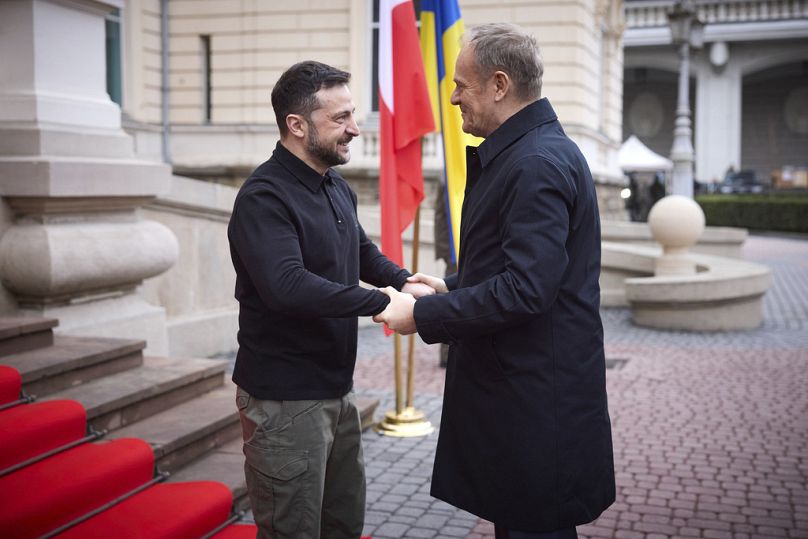
Ukrainian President Volodymyr Zelenskyy's return to Washington marks another critical moment in the ongoing diplomatic efforts to address Russia's nearly four-year invasion of Ukraine. The meeting with President Trump focused squarely on Ukraine's urgent request for long-range Tomahawk missiles capable of striking deep into Russian territory, a weapon system that could potentially shift the strategic balance in the stalemated conflict.
The Diplomatic Context
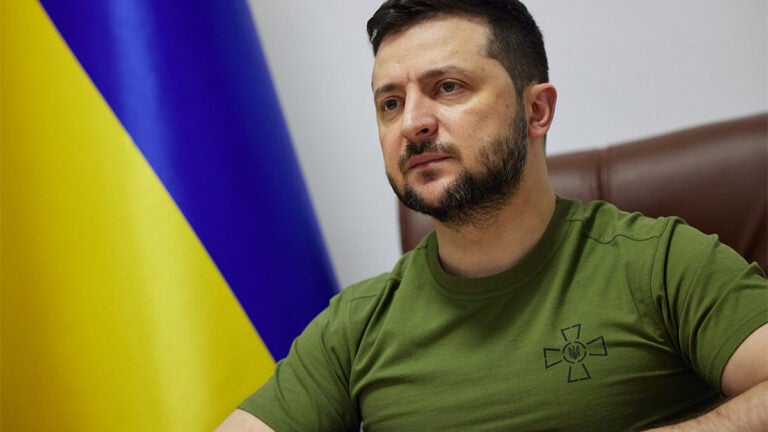
The timing of Zelenskyy's visit proved particularly significant, coming just one day after President Trump's lengthy phone conversation with Russian President Vladimir Putin. During that call, Trump reportedly tested the waters by asking Putin "Would you mind if I gave a couple of thousand Tomahawks to your opposition?" According to administration officials, Putin responded negatively, warning that such a move would cause substantial damage to the U.S.-Russia relationship while claiming the weapons wouldn't change the battlefield situation.
This diplomatic sequence reveals the complex interplay between Washington, Kyiv, and Moscow. The Kremlin's request for the call on the eve of Zelenskyy's visit appears strategically timed to influence Trump's decision-making. As former Deputy National Security Adviser Jon Finer noted, "The rationale almost seems, in this case, is damaging as the fact itself, which is that he doesn't seem to want to cross the wishes of Vladimir Putin."
Military Stalemate and Strategic Implications
The battlefield situation has remained largely static, with neither side making significant territorial gains in recent months. Current maps show Russian-controlled territory in Ukraine remaining virtually unchanged from one year ago, despite heavy casualties on both sides. Retired Major General David Baldwin, former adjutant general of the California National Guard, emphasized that "The Ukrainians understand that no single weapon system is going to be a game changer or, more importantly, a game ender for the war."
However, the Tomahawk missiles represent a significant capability upgrade for Ukrainian forces. Designed to fly below radar detection, these weapons can strike targets more than 1,500 miles away, reaching deep into Russian territory well beyond Moscow. This capability would enable Ukraine to target key military installations, oil infrastructure, and energy facilities that have supported Russia's war effort.
Trump's Evolving Position
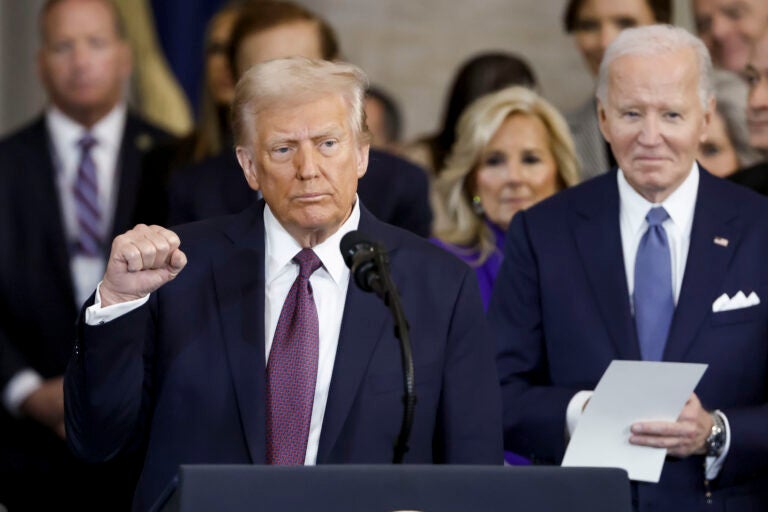
President Trump's position on Ukraine assistance has shown notable fluctuation in recent months. After initially expressing frustration with Russia's continued aggression and threatening "severe consequences," Trump's stance softened following his August summit with Putin in Alaska. The pattern repeated itself with the Tomahawk missile consideration—Trump initially seemed open to the idea before backing away after Putin's objection.
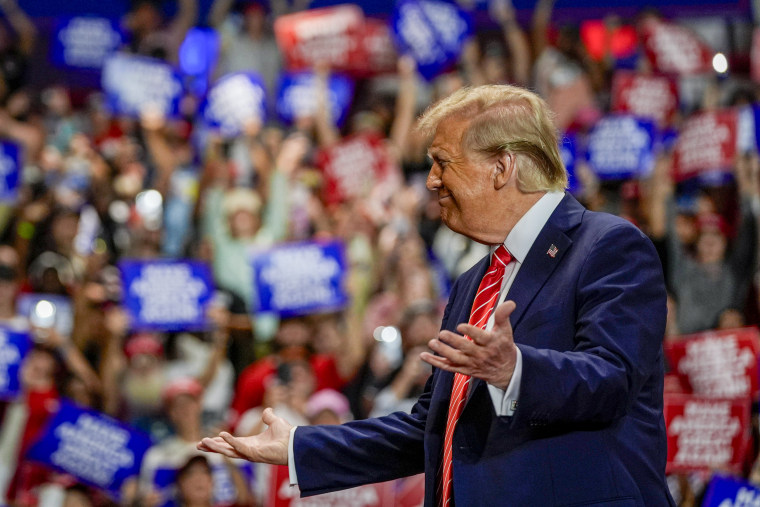
Trump's social media post during Zelenskyy's visit encapsulated his current approach: "Russia and Ukraine should stop where they are. Let both claim victory. Let history decide." This position reflects Trump's preference for negotiated settlements over military escalation, even as Ukraine continues to suffer from Russian attacks on its energy infrastructure.

Broader Diplomatic Implications
The ongoing diplomatic maneuvers occur against the backdrop of planned second summit between Trump and Putin in Budapest, Hungary. This continued high-level engagement between American and Russian leaders, while Ukraine seeks crucial military support, creates complex dynamics in the transatlantic relationship. As Finer observed, "These big grand meetings in some ways are something that President Trump covets, that he likes being seen on the big stage with someone he, for reasons I can only speculate about, respects, President Putin."
The situation highlights the challenging position Ukraine faces—dependent on Western support while navigating the personal relationships and diplomatic preferences of world leaders. Zelenskyy's direct appeal to Trump—"I think that I'm confident that, with your help, we can stop this war. And we really need it"—underscores the high stakes for Ukraine's survival and sovereignty.
The outcome of these diplomatic exchanges will significantly influence not only the immediate military situation in Ukraine but also the broader geopolitical landscape. With the conflict showing no signs of imminent resolution and both sides paying enormous costs, the decisions made in Washington and Moscow will shape the future of European security and the international order for years to come.