U.S. Blocks Global Shipping Emissions Fee Amid Trump's Retaliation Threats
The United States has successfully blocked a proposed global fee on shipping emissions at the International Maritime Organization meeting in London. President Donald Trump threatened retaliation against countries supporting what he called a 'global green new scam tax,' while Secretary of State Marco Rubio celebrated the decision as a major victory. The move delays critical climate regulations for the shipping industry, which accounts for approximately 3% of global greenhouse gas emissions, and postpones what would have been the first global tax on planet-warming emissions.
The international shipping industry faces continued uncertainty as the United States successfully blocked a proposed global emissions fee during recent maritime negotiations. The decision came after President Donald Trump vowed retaliation against countries supporting what he characterized as a 'global green new scam tax' on shipping emissions.

Diplomatic Standoff at IMO Meeting
The International Maritime Organization (IMO), the United Nations agency responsible for regulating international shipping, adjourned its recent meeting without adopting new emissions regulations following significant opposition from the United States. According to reports from Global News, the U.S. position was strongly articulated by both President Trump and Secretary of State Marco Rubio, who threatened sanctions, visa restrictions, and other retaliatory measures against nations supporting the proposed fee.
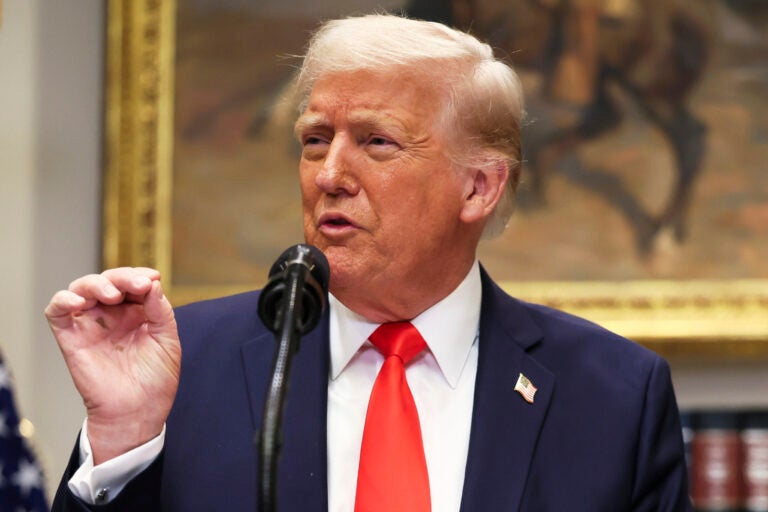
President Trump took to his Truth Social platform to declare that 'the United States will not stand for this global green new scam tax on shipping,' urging other countries to vote against the proposal. Secretary Rubio later celebrated the decision's failure on social media, calling it 'another HUGE win' for the Trump administration.
Proposed Regulations and Global Impact
The blocked regulations would have established the world's first global fee on greenhouse gas emissions from shipping. The framework included both a marine fuel standard that would gradually decrease allowable emissions and a pricing system imposing fees for every ton of greenhouse gases emitted above established limits.
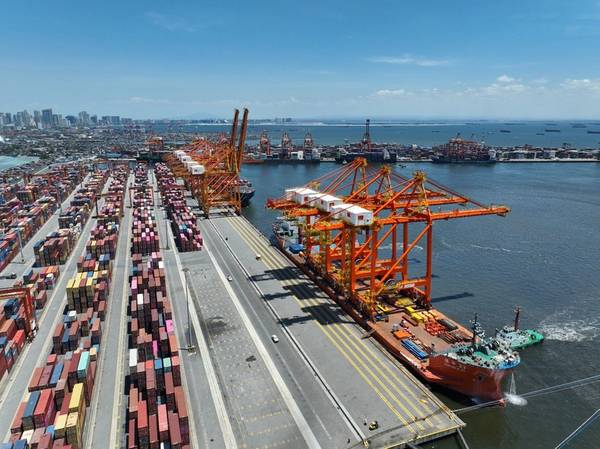
The shipping industry currently accounts for approximately 3% of global greenhouse gas emissions, with most vessels running on heavy fuel oil that releases significant carbon dioxide and other pollutants. The proposed fees were estimated to generate between $11 billion and $13 billion annually, which would have been directed toward an IMO fund to support the transition to green shipping technologies and assist developing countries in adopting cleaner fuels.
International Reactions and Next Steps
The decision to adjourn the meeting for one year came after Saudi Arabia called for a vote to delay proceedings. More than half of the participating countries agreed to the postponement, leaving the shipping sector in regulatory limbo. IMO Secretary General Arsenio Dominguez acknowledged that countries now have 'one year to negotiate and talk and come to consensus.'
Environmental advocates and representatives from vulnerable nations expressed disappointment with the outcome. Ralph Regenvanu, climate change minister for Vanuatu, called the decision 'unacceptable given the urgency we face in light of accelerating climate change.' Meanwhile, Canada maintained its support for the regulations while navigating delicate trade and security negotiations with the Trump administration.
Broader Implications for Climate Policy
The blocked shipping emissions fee represents a significant setback for global climate cooperation. As noted by environmental organizations, the regulations would have demonstrated how multilateral cooperation could deliver tangible progress on climate goals. The shipping industry's transition away from fossil fuels now faces additional delays, potentially undermining the IMO's target of achieving net-zero greenhouse gas emissions by approximately 2050.

The situation highlights ongoing tensions between climate action and economic interests in international diplomacy. With negotiations set to continue over the coming year, the global community faces the challenge of balancing environmental imperatives with political realities in one of the world's most carbon-intensive industries.