Traces of Proto Earth: Chemical Fingerprints Reveal Planet's Ancient Origins
MIT researchers have discovered chemical evidence of Earth's earliest incarnation preserved in ancient mantle rocks. A unique potassium isotope imbalance points to remnants of 'proto Earth' material that survived the planet's violent formation 4.5 billion years ago. This groundbreaking study published in Nature Geosciences reveals that original building blocks of our planet remain hidden deep beneath the surface, offering unprecedented insights into Earth's primordial history and challenging long-held assumptions about planetary formation.
Deep within Earth's mantle, scientists have uncovered chemical fingerprints of our planet's earliest incarnation—remnants that have survived untouched since before the world we know was born. This remarkable discovery by MIT researchers reveals traces of "proto Earth" material that endured the cataclysmic events that shaped our modern planet approximately 4.5 billion years ago.

The Proto Earth Discovery
Researchers from MIT and collaborating institutions have identified exceptionally rare chemical signatures in ancient mantle rocks that point to the existence of proto Earth material. This primitive world existed before a massive collision with a Mars-sized body forever altered Earth's chemistry and gave rise to the planet we inhabit today. The study, published in Nature Geosciences, could fundamentally reshape our understanding of planetary formation.
For decades, scientists believed that any trace of the proto Earth had been completely destroyed during the giant impact that melted and mixed the planet's interior. However, the MIT team's findings challenge this long-standing assumption by revealing chemical evidence that survived this cosmic upheaval.
Potassium Isotope Anomaly
The key to this discovery lies in a subtle but significant imbalance in potassium isotopes—atoms of the same element with different numbers of neutrons. Potassium occurs naturally in three isotopic forms: potassium-39, potassium-40, and potassium-41. On modern Earth, potassium-39 and potassium-41 dominate, while potassium-40 exists only in minute amounts.
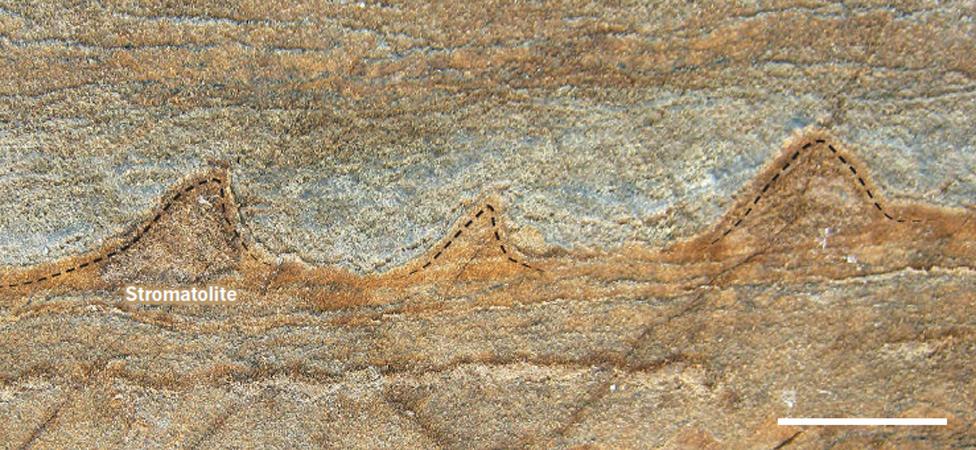
The researchers found that certain ancient rock samples from Greenland, Canada, and Hawaii exhibit a distinctive deficit in potassium-40 compared to most materials found on Earth today. After extensive analysis, the scientists concluded that this anomaly could not have been created by later impacts or ongoing geological processes. As lead researcher Nicole Nie explains, "This is maybe the first direct evidence that we've preserved the proto Earth materials. We see a piece of the very ancient Earth, even before the giant impact."
Scientific Methodology and Analysis
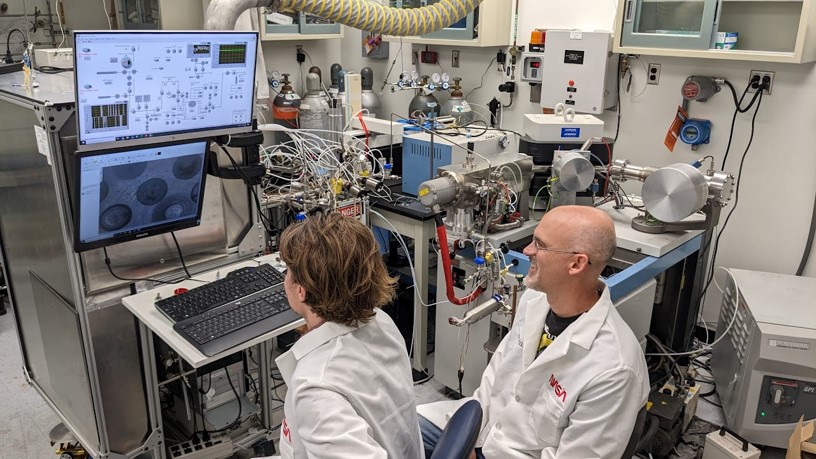
The research team employed sophisticated analytical techniques to detect these subtle chemical signatures. They first dissolved various powder samples in acid, then carefully isolated potassium from the rest of the sample material. Using specialized mass spectrometry equipment, they measured the ratio of each potassium isotope with extraordinary precision.
Detecting the potassium-40 deficit required remarkable sensitivity—comparable to spotting a single grain of brown sand in a bucket full of yellow sand. The team's simulations demonstrated that materials with this potassium-40 deficit are likely leftover original material from the proto Earth that somehow survived planetary mixing and evolution.
Implications for Planetary Science
This discovery has profound implications for our understanding of Earth's formation and the early solar system. The findings suggest that the current inventory of meteorites used to model Earth's original composition is incomplete. As Professor Nie notes, "Scientists have been trying to understand Earth's original chemical composition by combining the compositions of different groups of meteorites. But our study shows that the current meteorite inventory is not complete, and there is much more to learn about where our planet came from."
The research opens new avenues for understanding planetary formation throughout the solar system. By identifying these preserved chemical fingerprints, scientists can now reconstruct the earliest ingredients that shaped not only Earth but potentially other planets as well. This work represents a significant step forward in planetary science, providing direct evidence of processes that occurred during the solar system's infancy.
As research continues, these findings may help scientists piece together the complete story of Earth's formation and evolution, revealing secrets that have been hidden deep within our planet for billions of years.