The Escalating Threat: How Far-Right Influencers Forced a Professor to Flee the US
In a chilling escalation of online harassment, Rutgers University professor Mark Bray was forced to leave the United States with his family after facing death threats from far-right influencers. The targeting intensified following the Trump administration's designation of antifa as a 'domestic terrorist organization,' despite antifa being an ideology rather than an organized group. This case highlights the growing power of far-right influencers in shaping political narratives and the real-world consequences of online harassment campaigns.
The intersection of online influence and real-world consequences has reached a dangerous new threshold, as demonstrated by the recent case of Rutgers University professor Mark Bray. Forced to flee the United States with his family due to escalating death threats from far-right influencers, Bray's experience reveals how digital harassment campaigns can translate into genuine physical danger.
The Escalation of Threats
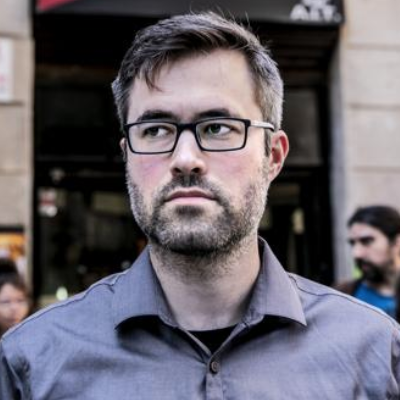
Mark Bray, a history professor at Rutgers University and author of "Antifa: The Anti-Fascist Handbook," has faced harassment from far-right circles for nearly a decade. However, the situation dramatically intensified following the Trump administration's executive order designating antifa as a "domestic terrorist organization." This political move, despite antifa being a broad anti-fascist ideology rather than an organized coalition, provided the catalyst for renewed targeting of individuals associated with the movement.
The harassment reached critical levels when far-right influencers with substantial online followings began specifically targeting Bray. Death threats became increasingly specific and menacing, with messages including "I'll kill you in front of your students" and notifications that he was being monitored. The situation escalated to the point where Bray's home address was posted online, forcing him to make the difficult decision to leave the country for his family's safety.
The Role of Far-Right Influencers
The power dynamics in conservative politics have shifted significantly, with far-right influencers now playing a central role in shaping narratives and targeting perceived opponents. Figures like Jack Posobiec and other prominent far-right voices have gained unprecedented access to political power, even participating in White House roundtables on the subject of antifa.

These influencers operate across multiple platforms and categories, including podcasters like Joe Rogan, meme page operators, Substack writers, and political organizers. Their coordinated efforts create a powerful content mill that amplifies administration messaging while simultaneously driving harassment campaigns against targeted individuals. The case of Professor Bray demonstrates how these digital campaigns can have tangible, life-altering consequences.
Institutional Response and Support
Despite the severity of the threats, institutional responses have varied. Rutgers University provided support to Professor Bray, including discussions about changing classroom locations for safety purposes. The American Association of University Professors condemned the harassment, noting that silencing academics through intimidation tactics resembles practices seen in authoritarian regimes rather than democratic societies.
Bray's students expressed disappointment at his departure, describing his classes as engaging and informative with balanced political discussions. This contrast between the professor's actual classroom approach and the characterization by his harassers highlights the disconnect between reality and the narratives promoted by far-right influencers.
Tech Platform Responsibility
The role of social media platforms in enabling such harassment campaigns raises serious questions about content moderation and platform responsibility. Major tech companies have significantly reduced their content moderation efforts in recent years, creating an environment where dangerous misinformation and targeted harassment can flourish with minimal consequences.

Platforms like Facebook and X (formerly Twitter) have moved toward hands-off moderation approaches, focusing primarily on copyright violations and child safety content while allowing other forms of harmful content to proliferate. This lack of effective moderation creates conditions where coordinated harassment campaigns can develop and escalate without platform intervention.
Broader Implications
The targeting of Professor Bray represents a concerning trend in American political discourse, where digital harassment campaigns can effectively silence voices and force individuals to abandon their careers and homes. The coordination between political administrations and far-right influencers creates a powerful mechanism for targeting perceived opponents, with real-world safety implications.
This case also highlights the vulnerability of academic freedom in an increasingly polarized political environment. When scholars can be driven from the country for their research and writing, it represents a significant threat to intellectual discourse and the free exchange of ideas that underpins democratic society.
Moving Forward
The situation demands greater accountability from both political actors and technology platforms. Effective content moderation, protection for targeted individuals, and consequences for coordinated harassment campaigns are essential to prevent similar cases from occurring. Additionally, public awareness of these tactics and their real-world consequences is crucial for building resistance to such intimidation strategies.
As digital platforms continue to shape political discourse, the balance between free expression and protection from targeted harassment remains a critical challenge for democratic societies worldwide. The case of Professor Bray serves as a stark reminder of the human cost when this balance is disrupted.