Nepali Prime Minister Resigns Amid Widespread Protests
Nepal's Prime Minister has stepped down from office following sustained public protests across the country. The resignation marks a significant political development in the Himalayan nation, coming amid growing public discontent and demands for governmental change. This move follows weeks of demonstrations that have drawn participation from various segments of Nepali society, reflecting broader concerns about governance and political leadership.
Nepal's political landscape has undergone a significant shift as the Prime Minister has officially resigned from office amid widespread public protests. This development comes after sustained demonstrations across the country, reflecting growing public discontent with the current administration and demands for political change.
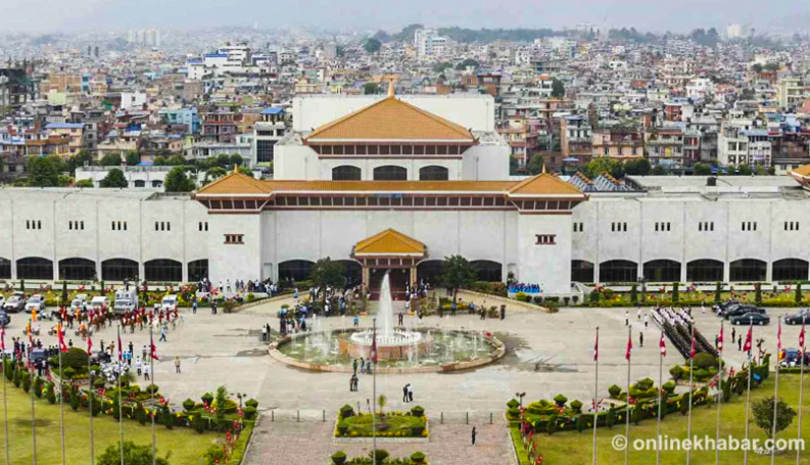
The resignation represents a critical moment in Nepal's democratic process, highlighting the ongoing challenges facing the nation's political stability. The protests, which have gained momentum over recent weeks, have drawn participation from diverse segments of Nepali society, indicating broad-based concerns about governance and leadership.
Political Context and Background
Nepal has experienced considerable political turbulence in recent years, with frequent changes in government and ongoing debates about constitutional implementation. The current administration faced mounting pressure from opposition parties and civil society groups, culminating in the widespread protests that ultimately led to the Prime Minister's resignation.

Impact on Governance
The Prime Minister's departure creates a political vacuum that must be addressed through constitutional processes. According to Nepal's political framework, the resignation triggers a process for forming a new government or potentially calling for fresh elections, depending on parliamentary dynamics and political negotiations.
This development occurs at a time when Nepal faces numerous challenges, including economic recovery post-pandemic, infrastructure development needs, and ongoing constitutional implementation issues. The political uncertainty may affect policy continuity and implementation of development projects.
Regional and International Implications
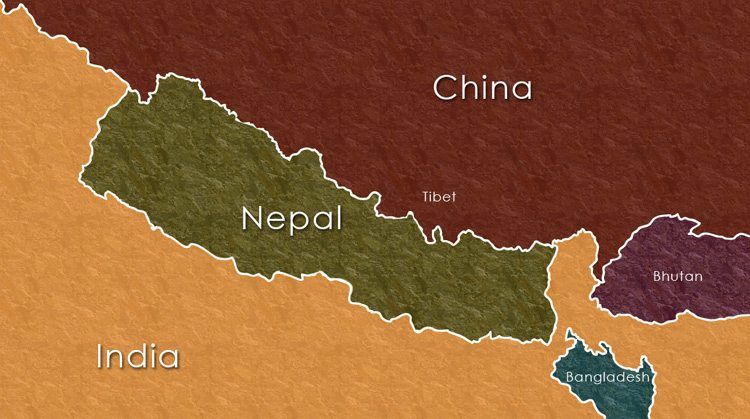
Nepal's political stability is closely watched by regional neighbors and international partners. The country's strategic location between India and China makes its internal political developments significant for regional dynamics. International observers will be monitoring the transition process and its implications for Nepal's foreign policy orientation and international engagements.
The resignation and subsequent political developments will likely influence Nepal's relationships with key international partners and affect ongoing development cooperation programs. The international community typically emphasizes the importance of constitutional processes and peaceful political transitions in such situations.
Future Outlook
The coming days and weeks will be crucial for Nepal's political future. The focus will shift to constitutional mechanisms for government formation and potential political negotiations among major parties. The resolution of this political crisis will test Nepal's democratic institutions and their capacity to manage peaceful transitions of power.
Public expectations for improved governance and accountability remain high, and the new political leadership will need to address these concerns while navigating the country's complex developmental challenges. The peaceful nature of the transition so far provides some optimism about Nepal's democratic resilience.