Analyzing the Charges Against John Bolton and Evolving Views on Executive Power
This article examines the legal charges brought against former National Security Advisor John Bolton and explores how perspectives on executive power have evolved in recent years. The analysis considers the implications for presidential authority, national security decision-making, and the balance of power within the federal government, drawing on recent developments and legal interpretations that have shaped contemporary understanding of executive branch limitations.
The legal proceedings involving former National Security Advisor John Bolton have brought renewed attention to the complex relationship between executive authority and accountability in American government. These charges represent a significant moment in the ongoing debate about the limits of presidential power and the responsibilities of high-ranking officials.
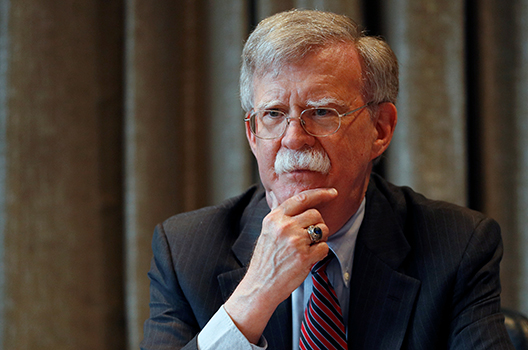
Understanding the Charges Against John Bolton
The specific allegations against Bolton center on his conduct while serving in the Trump administration and his subsequent actions regarding classified information. Legal experts have noted that these charges touch upon fundamental questions about how former officials should handle sensitive government materials and what constitutes appropriate disclosure of national security information.
According to analysis from CBS News reporting, the Bolton case has become a focal point for discussions about the proper boundaries of executive branch authority. The charges reflect growing concerns about the potential misuse of classified information and the accountability mechanisms available when former officials allegedly breach security protocols.
Evolving Perspectives on Executive Authority
Recent years have witnessed significant shifts in how both legal experts and the public view presidential power. The traditional understanding of executive authority has been challenged by various political and legal developments, leading to what reporters have described as "changing views on executive power" in contemporary political discourse.
This evolution in perspective reflects broader societal questions about the appropriate balance between effective governance and necessary constraints on presidential action. The ongoing debates have highlighted tensions between the need for decisive executive action in matters of national security and the importance of maintaining proper oversight and accountability mechanisms.
Legal and Constitutional Considerations
The constitutional framework governing executive power continues to be tested by modern political realities. Legal scholars point to the inherent tension between Article II provisions granting executive authority and the system of checks and balances designed to prevent abuse of power. Recent cases involving former administration officials have further complicated these constitutional questions.
Implications for Future Administrations
The outcomes of cases like the one involving John Bolton are likely to have lasting consequences for how future administrations approach issues of transparency, classified information handling, and executive privilege. These precedents may shape the behavior of government officials and establish new norms regarding the limits of presidential authority.
As legal proceedings continue to unfold, they contribute to the ongoing redefinition of executive power in the American political system. The intersection of national security concerns, First Amendment protections, and government transparency remains a complex and evolving area of constitutional law that will continue to generate significant debate among legal experts, policymakers, and the public.
The examination of charges against former officials like John Bolton serves as an important reminder of the continuing need to balance effective governance with proper accountability. As perspectives on executive power continue to evolve, these cases provide crucial opportunities for society to reaffirm its commitment to both national security and democratic principles.