International Coccolithophore Day: Celebrating Earth's Microscopic Climate Architects
On October 10, scientists worldwide are establishing International Coccolithophore Day to honor these microscopic ocean algae that play a crucial role in regulating Earth's climate. These tiny organisms, smaller than dust particles, capture carbon dioxide, produce oxygen, and create geological records that chronicle our planet's history. European research institutions are leading this initiative to raise awareness about how coccolithophores link ocean chemistry, climate regulation, and carbon storage, demonstrating that even the smallest marine life forms have planetary-scale impact.
In the vast expanse of Earth's oceans, microscopic organisms called coccolithophores are quietly performing some of the planet's most essential climate regulation work. These single-celled algae, smaller than a grain of dust, are being honored with the establishment of International Coccolithophore Day on October 10, an initiative led by five European research institutions to highlight their critical role in maintaining planetary balance.
The Unsung Heroes of Ocean Ecosystems
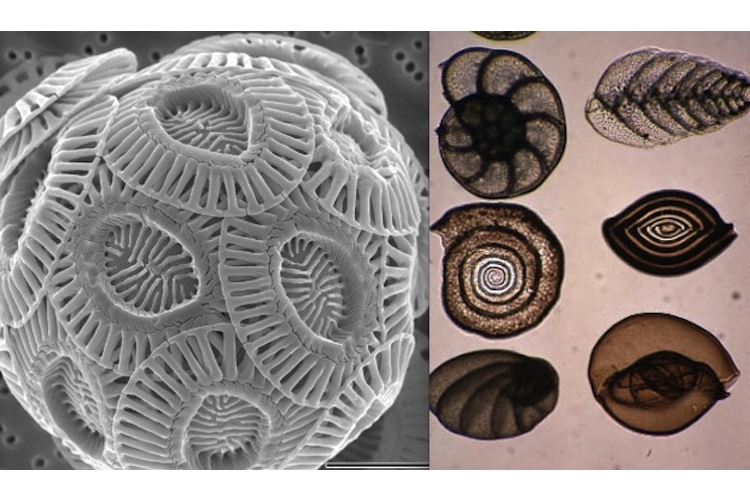
Coccolithophores are microscopic ocean algae that float in the sunlit layers of the sea, coated with delicate calcium carbonate plates known as coccoliths. These tiny organisms contain chlorophyll and perform photosynthesis, but their most remarkable feature is their ability to remove carbon from seawater while simultaneously producing oxygen. The intricate calcite plates they create eventually sink to the ocean floor, forming chalk and limestone layers that serve as geological records of Earth's climate history.
What makes coccolithophores particularly significant is their dual role in both current climate regulation and historical climate documentation. As Professor Alex Poulton of the Lyell Centre explains, "Unlike other groups, they build intricate calcium carbonate plates that not only help draw down carbon dioxide from the atmosphere, but also transport it into deep ocean sediments, where it can be locked away for millennia."
Global Scientific Collaboration
The initiative to establish International Coccolithophore Day represents a significant collaboration among leading European research institutions. The effort is being spearheaded by the Ruđer Bošković Institute in Zagreb, Croatia, the Lyell Centre at Heriot-Watt University in Edinburgh, UK, NORCE Norwegian Research Centre in Bergen, Norway, Marine and Environmental Sciences Centre at the University of Lisbon, Portugal, and the International Nannoplankton Association.
Each institution brings unique expertise to coccolithophore research. At the Lyell Centre, the OceanCANDY team studies how these plankton pull CO2 from the atmosphere and store it in the sea, while also investigating how warmer, more acidic oceans might affect this process. In Norway, scientists at NORCE Research track coccolithophore life cycles and their interactions with viruses and predators to understand carbon movement through ocean ecosystems.
Climate Regulation at Microscopic Scale
Coccolithophores are among Earth's most effective natural carbon regulators, generating more than 1.5 billion tonnes of calcium carbonate annually. This process captures carbon dioxide from the atmosphere and stores it in deep-sea sediments, effectively removing it from circulation for millennia. Beyond carbon capture, these organisms produce oxygen and nourish marine food webs, influencing the planet's overall greenhouse balance.
Dr. Jelena Godrijan, a leading coccolithophore researcher at the Ruđer Bošković Institute, describes them as "the ocean's invisible architects, crafting the tiny plates that become vast archives of Earth's climate." Her research focuses on how coccolithophores shape the ocean's carbon cycle through interactions with bacteria and other microorganisms.

Why Awareness Matters
The establishment of International Coccolithophore Day represents more than just scientific recognition—it's a call to action for greater ocean literacy and policy focus. As Dr. Sarah Cryer from the CHALKY project and OceanCANDY team notes, "We most often talk about whales, coral reefs, and ice caps, but coccolithophores are a vital part of the planet's climate system. They remind us that the smallest organisms can have the biggest impact."
This initiative aims to change public perception of ocean ecosystems by highlighting how microscopic life forms contribute to planetary stability. By understanding and protecting coccolithophores, scientists hope to preserve one of Earth's natural mechanisms for climate regulation while gaining insights into how marine ecosystems might help address climate change challenges.
The campaign underscores the interconnectedness of all life forms in maintaining Earth's delicate balance, proving that sometimes the smallest creatures hold the keys to our planet's future.