Samsung Galaxy XR Review: A Promising but Unpolished Android Alternative to Apple Vision Pro
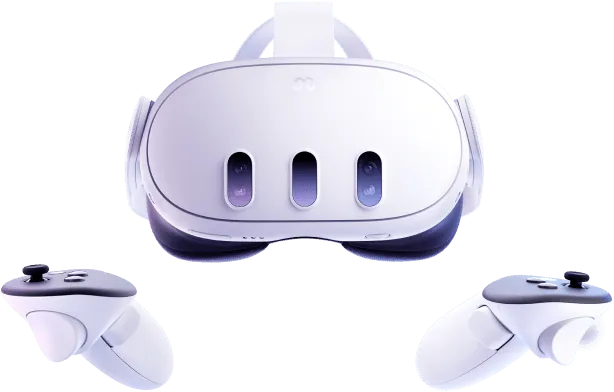
The Samsung Galaxy XR enters the high-end mixed reality market as a more accessible alternative to Apple's Vision Pro, priced at $1,800 compared to Apple's $3,499 headset. While offering excellent visual quality through its 4K micro-OLED displays and access to the vast Android app ecosystem, the Galaxy XR struggles with comfort issues, navigation precision, and persistent software bugs. This review examines whether Samsung and Google's collaboration delivers a compelling XR experience or if the technology still needs significant refinement before becoming mainstream.
The mixed reality headset market has become increasingly competitive with Apple's Vision Pro setting a high bar for premium experiences. Enter the Samsung Galaxy XR, a $1,800 Android-powered alternative that promises similar capabilities at roughly half the price of Apple's offering. As WIRED's review notes, this headset represents Google and Samsung's ambitious attempt to create a compelling XR ecosystem, but it arrives with noticeable rough edges that prevent it from being a truly comfortable or polished experience.

Design and Comfort Challenges
One of the most immediate issues with the Galaxy XR is its comfort level during extended use. Despite being more lightweight than Apple's Vision Pro, finding a comfortable fit proves challenging. The headset uses a tightening knob at the back to secure it around your head, but this often results in significant pressure on the forehead area. As the internal fans activate during use, this pressure point becomes warm and frequently leads to a sweaty brow, making extended sessions uncomfortable.
The included magnetic light shields help block ambient light, but they're not perfect, with some light bleed still noticeable during use. The forehead cushion provides minimal relief, and many users might wish for softer, more substantial padding. Interestingly, Apple's Vision Pro with its Dual Knit Band offers superior support through two customizable fit points, demonstrating that comfort solutions exist but haven't been fully implemented in Samsung's design.

Visual Quality and Display Performance
Where the Galaxy XR excels is in its visual presentation. The 4K micro-OLED displays deliver sharp, colorful imagery that represents one of the headset's strongest features. Content consumption benefits significantly from this high-quality display, with streaming services and games looking particularly impressive. The visual fidelity makes activities like watching Stranger Things or playing games like Grimvalor enjoyable experiences from a pure display perspective.
The display quality stands as a testament to Samsung's display manufacturing expertise, providing users with immersive visual experiences that compete favorably with more expensive alternatives. This strength helps offset some of the device's other shortcomings, particularly for users who prioritize visual quality above all other considerations.
Navigation and Interaction Issues
The Galaxy XR's gesture-based navigation and eye tracking system presents one of the device's most significant challenges. While functional, these systems lack the precision and reliability of Apple's Vision Pro implementation. Users frequently encounter difficulties with the iris unlock system, sometimes requiring PIN entry instead of seamless biometric authentication.
Eye tracking proves particularly problematic, often failing to land precisely on virtual buttons and requiring users to resort to pointer-style finger gestures for selections. Gesture recognition requires more pronounced movements than Apple's system, and virtual screens sometimes move unintentionally when the headset misinterprets gestures. Even basic functions like evoking the home button through pinching can require multiple attempts, creating a frustrating user experience that disrupts workflow and immersion.

Software Stability and Ecosystem Integration
Software bugs present another significant hurdle for the Galaxy XR experience. Applications like Chrome become unstable when opening more than six tabs, requiring restarts to resume functionality. Other apps including Telegram and Google Play Services exhibit similar instability, with crashes occurring during normal use. These issues extend to peripheral integration, where paired mice sometimes experience cursor disappearance problems that make productivity tasks difficult.
Google's recent introduction of PC Connect for Android XR offers promising Windows desktop integration, allowing users to bring their entire Windows environment into the XR space. However, even this improved workflow suffers from the same cursor issues that plague other aspects of the system. Game streaming through Samsung's Game Link app presents additional challenges, with SteamVR connections frequently failing and controller pairing processes disappearing unexpectedly.
Android XR Ecosystem and AI Integration
The Galaxy XR benefits from access to the extensive Android app ecosystem, allowing users to bring virtually any Android application into their virtual space. This represents a significant advantage over more closed ecosystems, though app optimization for XR environments varies widely. Productivity apps like Slack still suffer from poor scaling on larger virtual screens, highlighting the need for better developer tools and optimization guidelines.
Google's Gemini AI integration offers conversational assistance within the XR environment, but implementation issues sometimes reveal internal processing instructions that users aren't meant to see. These transparency errors, combined with questionable utility for everyday tasks, limit the feature's practical value. Similarly, spatialized photo viewing in Google Photos provides brief novelty but fails to deliver compelling reasons for regular use.
Avatar Representation and Social Interaction
Avatar creation presents another area where the Galaxy XR falls short. Initial cartoonish Galaxy avatars poorly replicate user likenesses and facial expressions, creating communication challenges during video calls. Google's Likeness update attempts to address this with more realistic representations, but results often appear unnatural with exaggerated eye movements and awkward dental displays during speech.
These representation issues extend to audio quality, with headset microphones sometimes cutting out during conversations. The combined effect creates social interaction barriers that limit the headset's utility for professional communication or casual socializing in virtual spaces.
Market Position and Future Potential
The Samsung Galaxy XR occupies a challenging position in the current XR market. At $1,800, it's significantly more affordable than Apple's Vision Pro but still represents a substantial investment for most consumers. The device demonstrates that high-quality visual experiences are achievable at lower price points, but comfort, software stability, and interaction precision require significant improvement.
As the review experience shows, current high-end XR headsets including both the Galaxy XR and Vision Pro remain too bulky and uncomfortable for extended use. The technology shows promise for specific applications like immersive media consumption and spatial computing, but mainstream adoption will require dramatic improvements in weight reduction, comfort optimization, and software refinement.
Conclusion: A Work in Progress
The Samsung Galaxy XR represents an important step in making high-quality mixed reality more accessible, but it's clearly a first-generation product requiring further refinement. The excellent display quality and Android ecosystem access provide solid foundations, but comfort issues, navigation imprecision, and software instability prevent the device from delivering a consistently enjoyable experience.
For early adopters willing to tolerate these limitations, the Galaxy XR offers glimpses of the spatial computing future at a more accessible price point than Apple's offering. However, most consumers will likely want to wait for subsequent iterations that address the fundamental comfort and usability challenges. As Samsung and Google continue to develop their Android XR platform, future versions could potentially deliver the polished, comfortable experience that current technology promises but doesn't quite achieve.