Federal Workforce Changes and Nobel Peace Prize Developments
Recent developments in the federal government include the initiation of workforce reductions as confirmed by Office of Management and Budget Director Russ Vought. Simultaneously, President Trump was not selected for this year's Nobel Peace Prize. These events highlight ongoing changes in federal employment policies and international recognition processes that shape the current political landscape and government operations.
Recent developments in federal government operations have brought significant attention to workforce management and international recognition processes. Office of Management and Budget Director Russ Vought has confirmed that federal layoffs have commenced, marking a notable shift in government employment strategies. These changes come amid broader discussions about government efficiency and resource allocation.
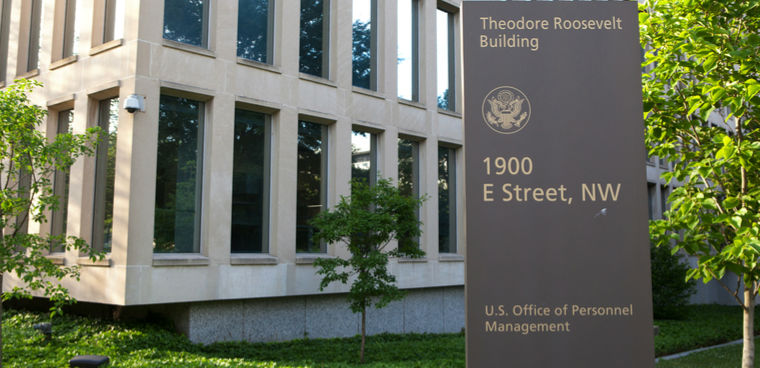
Federal Workforce Reductions
The confirmation from OMB Director Russ Vought regarding federal layoffs represents a significant development in government personnel management. While specific details about the scope and departments affected remain limited, this announcement signals potential restructuring within federal agencies. The Office of Management and Budget plays a crucial role in overseeing government spending and operations, making this announcement particularly noteworthy for understanding current administrative priorities.
Nobel Peace Prize Selection
In separate international news, President Trump was passed over for this year's Nobel Peace Prize. The Nobel Committee's selection process remains independent and considers numerous global contributions to peace and diplomacy. This outcome continues the tradition of the prize recognizing various international efforts toward conflict resolution and humanitarian work.

Government Operations Context
These developments occur within the broader context of federal government operations and international relations. Workforce management decisions often reflect changing priorities and budgetary considerations within the executive branch. Similarly, international recognition through awards like the Nobel Peace Prize represents ongoing global diplomatic engagements and peace-building efforts that transcend individual administrations.
The intersection of domestic policy implementation and international recognition highlights the multifaceted nature of government operations. As federal agencies adjust their workforce structures, the implications for service delivery and program implementation will become clearer in the coming months.
Looking Forward
Both the federal workforce changes and international award outcomes contribute to the evolving landscape of government operations and global diplomacy. These developments warrant continued observation as their full implications unfold across various sectors of government and international relations. The coming weeks may provide additional clarity regarding the scope of workforce adjustments and the specific criteria behind international recognition decisions.