DMT's Surprising Role in Stroke Recovery: A Scientific Breakthrough
Researchers have discovered that DMT, a naturally occurring psychoactive compound found in both plants and the human brain, demonstrates remarkable protective effects against stroke damage. Studies from Hungarian research institutions reveal that DMT restores the blood-brain barrier and reduces inflammation in animal models, offering a potential complementary approach to existing stroke therapies. This groundbreaking research, published in Science Advances, suggests DMT could transform stroke recovery outcomes through its dual-action mechanism.
In a remarkable scientific development, researchers have uncovered that dimethyltryptamine (DMT), a naturally occurring psychoactive compound, may hold the key to reducing brain damage following strokes. This discovery represents a significant advancement in neurological medicine, potentially offering new hope for stroke patients worldwide.
The Science Behind DMT's Protective Effects
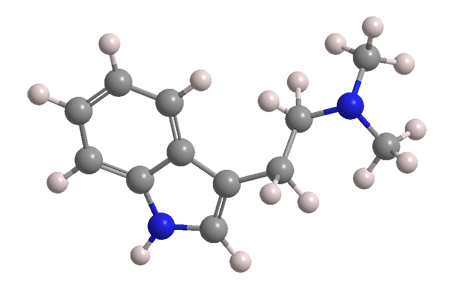
DMT, or dimethyltryptamine, is a natural molecule present in various plants and mammals, including humans. According to research published in Science Advances, scientists from the HUN-REN BRC Institute of Biophysics and Semmelweis University Heart and Vascular Centre conducted comprehensive studies demonstrating DMT's ability to mitigate stroke damage in both animal models and cell culture experiments.
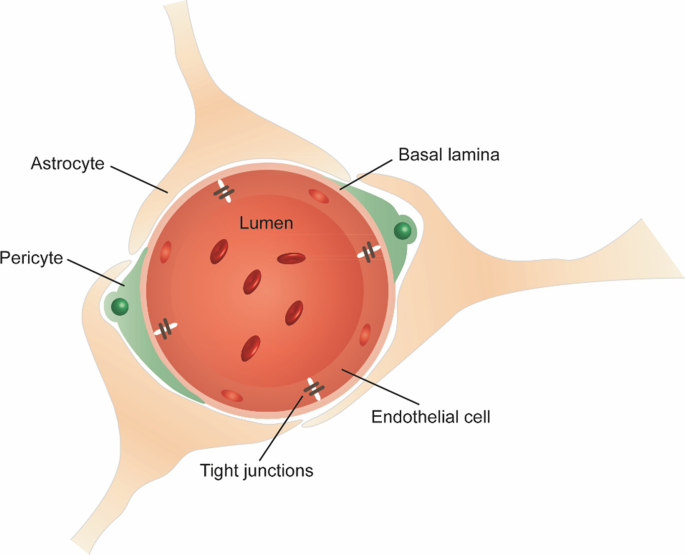
The research revealed that DMT treatment significantly reduced infarct volume and edema formation in rat stroke models. This protective effect stems from DMT's ability to restore the structure and function of the damaged blood-brain barrier while simultaneously improving the function of astroglial cells. These findings provide crucial insights into how this naturally occurring compound could revolutionize stroke treatment approaches.
Mechanism of Action and Therapeutic Potential
The research team discovered that DMT operates through multiple protective mechanisms. The compound inhibits the production of inflammatory cytokines in brain endothelial cells and peripheral immune cells while reducing the activation of brain microglia cells through Sigma-1 receptors. This dual-action approach addresses two critical aspects of stroke damage: blood-brain barrier integrity and neuroinflammation.
As co-first author Judit Vigh explains, "The therapeutic options currently available for stroke are very limited. The dual action of DMT, protecting the blood-brain barrier while reducing brain inflammation, offers a novel, complex approach that could complement existing treatments." This multi-faceted protection mechanism represents a significant advancement beyond current single-target stroke therapies.
Clinical Implications and Future Directions
The discovery of DMT's protective properties comes at a crucial time in stroke treatment development. Current stroke therapies often fail to produce complete recovery, leaving patients with lasting neurological deficits. DMT-based treatments could represent a promising alternative, particularly when combined with existing therapeutic methods.
Researchers emphasize that DMT could serve as a therapeutic adjuvant to complement current stroke treatments. The ongoing clinical trials investigating DMT's use and long-term effects will be crucial in determining its viability as a mainstream stroke therapy. As co-lead author Mária Deli notes, "It is amazing how we can always turn to Nature to find ingenious solutions for health problems," highlighting the potential of natural compounds in advancing medical science.

Conclusion: A New Frontier in Stroke Treatment
The discovery of DMT's protective effects against stroke damage marks a significant milestone in neurological research. By addressing both blood-brain barrier restoration and inflammation reduction, this natural compound offers a comprehensive approach to stroke recovery that could transform patient outcomes. As clinical trials continue to explore DMT's therapeutic potential, the medical community watches with anticipation for what could become a groundbreaking addition to stroke treatment protocols.