Brazil's Lula and US President Trump Discuss Tariff Removal and Future Meeting
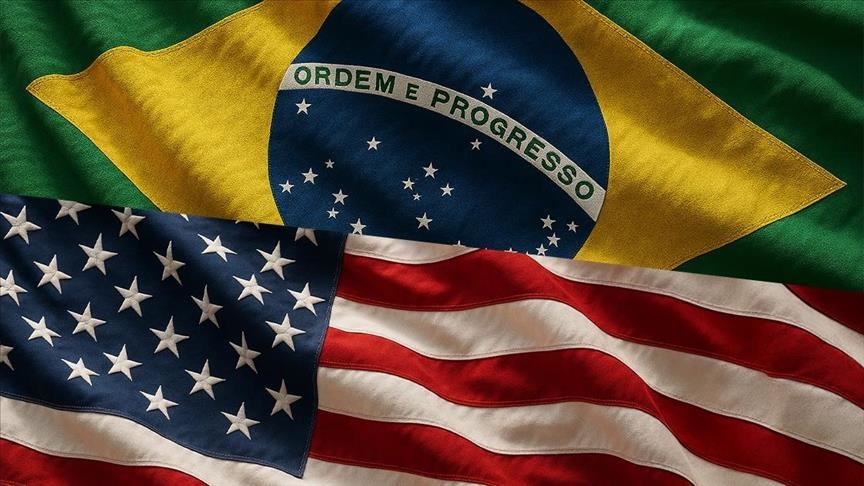
Brazilian President Luiz Inacio Lula da Silva and US President Donald Trump held a significant 30-minute phone call where they discussed removing the 40% tariff on Brazilian goods and US sanctions against Brazilian officials. The conversation, described as having a friendly tone, resulted in both leaders agreeing to meet in person soon and establishing a direct line of communication. This development comes amid ongoing trade tensions between the two nations following Trump's imposition of high tariffs on Brazilian exports.
The diplomatic landscape between Brazil and the United States saw a potentially significant shift as Presidents Lula and Trump engaged in a constructive 30-minute phone conversation focused on resolving trade disputes and strengthening bilateral relations. This high-level dialogue represents a crucial step toward addressing the economic tensions that have characterized recent relations between the two Western Hemisphere powers.
Key Discussion Points and Outcomes
During the call, President Lula specifically requested the removal of the 40% tariff imposed on Brazilian goods and the lifting of restrictive measures applied by the United States against Brazilian authorities. The Brazilian government's statement emphasized the friendly nature of the conversation, indicating a positive shift in diplomatic tone between the two leaders.
Agreement for Future Engagement
Both presidents reached a significant consensus to meet in person "soon," with discussions potentially occurring during the upcoming ASEAN Summit in Malaysia. President Lula expressed his willingness to travel to the United States for further discussions, demonstrating Brazil's commitment to resolving the trade issues through direct diplomatic engagement.

Establishing Direct Communication Channels
A notable development from the call was the exchange of personal phone numbers between the two leaders, creating a direct line of communication that could facilitate more immediate and effective dialogue. This move suggests both administrations recognize the importance of maintaining open channels to address complex bilateral issues promptly.
Context of Trade Relations
The conversation occurs against the backdrop of escalating trade tensions, with Brazil initially facing a 10% tariff that was later increased to 40% on several key exports, bringing the total levy to 50%. These measures were implemented by the Trump administration in response to what was described as a "witch hunt" against former Brazilian President Jair Bolsonaro, Trump's political ally.
Broader Implications
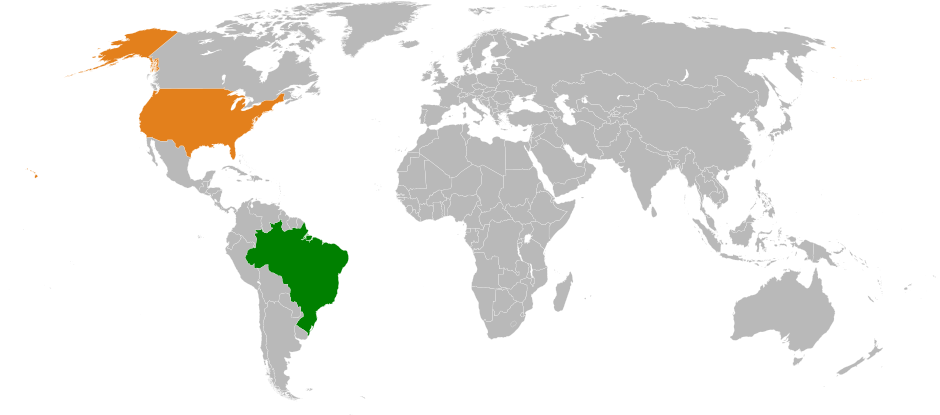
This diplomatic engagement represents a potential turning point in Brazil-US relations, which have been strained by trade disputes and political differences. The willingness of both leaders to engage in direct dialogue and plan future meetings suggests a mutual recognition of the importance of maintaining constructive relations between two of the Americas' largest economies.
The development has been closely monitored by Brazilian markets and international observers, as any resolution to the tariff disputes could have significant implications for Brazil's export economy and broader economic stability in the region.