How Lifelong Social Connections Slow Biological Aging
Groundbreaking research from Cornell University reveals that sustained social relationships across decades can significantly slow biological aging. Using advanced epigenetic clock technology, scientists found that people with richer, more consistent social connections exhibited younger biological profiles and reduced inflammation markers. The study emphasizes that it's not individual friendships but the cumulative effect of social advantages throughout life that creates measurable health benefits at the cellular level.
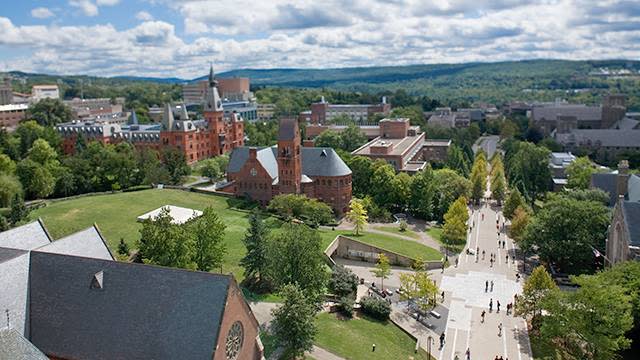
Recent scientific discoveries are revealing that our social connections may be as crucial to healthy aging as diet and exercise. A groundbreaking study from Cornell University demonstrates that lifelong social support can literally slow the biological aging process, offering new insights into how our relationships shape our physical health over time.
The Science Behind Social Aging
Researchers utilized sophisticated DNA-based "epigenetic clocks" to measure biological aging in over 2,100 adults participating in the long-running Midlife in the United States (MIDUS) study. These molecular signatures, particularly GrimAge and DunedinPACE clocks, are considered highly predictive of morbidity and mortality outcomes. The findings, published in the journal Brain, Behavior and Immunity -- Health, revealed that individuals with stronger, more sustained social networks showed significantly younger biological profiles.

Cumulative Social Advantage
The study introduced the concept of "cumulative social advantage," which encompasses four key areas of social connection throughout life. According to psychology professor Anthony Ong, the lead researcher, this includes the warmth and support received from parents during childhood, community and neighborhood connections, involvement in religious or faith-based communities, and ongoing emotional support from friends and family in adulthood.
What makes this research particularly compelling is the cumulative nature of these effects. Unlike previous studies that examined social factors in isolation, this work demonstrates how social advantages build upon each other over decades. The researchers found that higher levels of cumulative social advantage were associated with both slower epigenetic aging and lower levels of chronic inflammation, specifically reduced interleukin-6, a pro-inflammatory molecule linked to heart disease, diabetes, and neurodegeneration.
Practical Implications for Healthy Aging
The findings suggest that investing in social relationships throughout life may provide biological returns similar to maintaining a healthy retirement account. As Professor Ong explains, "The earlier you start investing and the more consistently you contribute, the greater your returns. Our study shows those returns aren't just emotional; they're biological."
This research adds significant weight to the growing understanding that social life represents a core determinant of physiological health, not merely a factor in emotional wellbeing or stress management. The study emphasizes that it's the depth and consistency of social connection built across different life stages and spheres that creates measurable impacts on biological aging processes.
While the study doesn't suggest that single friendships or temporary social engagements can reverse biological aging, it highlights the profound importance of sustained social investment throughout life. The research provides compelling evidence that aging well involves both maintaining physical health and nurturing meaningful social connections, as these factors appear to be fundamentally interconnected at the biological level.
:background_color(FFFFFF):format(jpeg)/images/library/10923/renal-cortex_englishMA.jpg)