Trump's Gaza Peace Plan Deadline: Hamas Responds to US Proposal
President Donald Trump has given Hamas until Sunday evening to accept his Gaza peace proposal, warning of severe military consequences if the deal is rejected. The Palestinian militant group has responded by accepting some elements of the plan, including hostage release and power transfer, while requesting further negotiations on other aspects. This development comes as the conflict approaches its second anniversary, with international pressure mounting for a resolution.
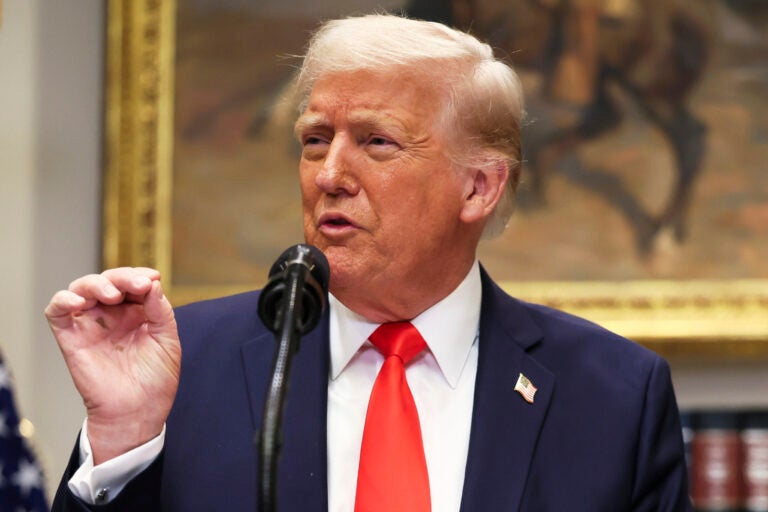
In a dramatic escalation of diplomatic pressure, President Donald Trump has issued an ultimatum to Hamas, demanding the Palestinian militant group accept his Gaza peace proposal by Sunday evening or face unprecedented military consequences. The statement came hours after Trump warned that "all HELL, like no one has ever seen before, will break out against Hamas" if the deadline passes without agreement.
Hamas Response to Trump's Proposal
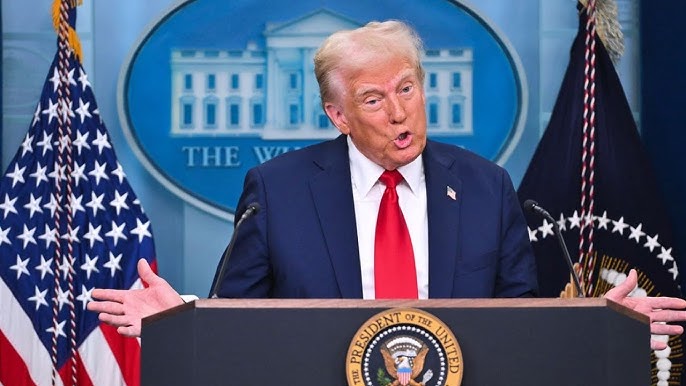
Hamas has offered a mixed response to Trump's peace plan, accepting certain elements while requesting further negotiations on others. According to Global News reports, the group expressed willingness to release the remaining hostages and transfer power to other Palestinian bodies, but stopped short of accepting all terms of the proposal.
The official Hamas statement indicated that aspects concerning Gaza's future and Palestinian rights should be determined through "unanimous Palestinian stance" reached with other factions. Notably absent from their response was any mention of disarming, which remains a key Israeli demand included in Trump's proposal.
Key Elements of Trump's Peace Plan
The Trump administration's proposal, developed alongside Israeli Prime Minister Benjamin Netanyahu, outlines a comprehensive framework for ending the nearly two-year conflict. The plan calls for immediate release of the remaining 48 hostages held by Hamas, approximately 20 of whom are believed to be alive.

In exchange, Israel would halt its military offensive, withdraw from significant portions of Gaza territory, release hundreds of Palestinian prisoners, and permit humanitarian aid and reconstruction efforts. The proposal also shelves controversial plans to relocate Gaza's population to other countries.
International Governance and Palestinian Concerns
A particularly contentious aspect of Trump's plan involves placing Gaza under international administration, with Trump himself and former British Prime Minister Tony Blair overseeing the territory. This arrangement has drawn criticism from Hamas officials, who have expressed opposition to foreign administration of the Gaza Strip.
Senior Hamas official Osama Hamdan told Al Araby television that the entry of foreign forces would be "unacceptable," highlighting one of the major sticking points in ongoing negotiations. The proposal provides no pathway for eventual reunification with the Israeli-occupied West Bank, a key Palestinian aspiration for statehood.
Humanitarian Crisis and Regional Impact
The diplomatic developments occur against the backdrop of a severe humanitarian crisis in Gaza. According to United Nations assessments, the territory has experienced widespread displacement, with approximately 90% of Gaza's population forced from their homes, often multiple times.
Olga Cherevko, spokesperson for the UN humanitarian office, described witnessing displaced families sheltering in hospital parking lots during recent visits. Many families lack the resources to move to safer areas, compounding the humanitarian challenges as the conflict approaches its second anniversary.
Path Forward and Regional Implications
The White House has warned of "tragic consequences" if Hamas fails to accept the peace proposal, emphasizing the urgency of reaching an agreement before Sunday's deadline. Egypt has welcomed Hamas's response, interpreting it as evidence of Palestinian willingness to "end a dark period in the history of the region."
As negotiations continue, the international community watches closely, recognizing that the outcome could significantly impact regional stability and the future of Israeli-Palestinian relations. The approaching deadline adds considerable pressure to resolve remaining disagreements and secure a lasting peace agreement.