Trump Demands Israel End Gaza War Following Hamas Response to Peace Proposal
President Trump has made a dramatic demand for Israel to immediately cease military operations in Gaza, marking the first time either President Biden or Trump has publicly called for an end to the conflict since October 7. The demand comes after Hamas announced it had agreed to Trump's proposal to release all Israeli hostages held in Gaza, though the militant group did not accept all aspects of the president's framework. This development creates significant pressure on Israeli Prime Minister Benjamin Netanyahu and raises questions about how far the U.S. administration will go to enforce its demands.
In a significant shift in U.S. Middle East policy, President Trump has publicly demanded that Israel immediately end its military operations in Gaza. This unprecedented move comes hours after Hamas announced it had agreed to key aspects of Trump's peace proposal, particularly regarding the release of Israeli hostages held in the territory.

The Trump Administration's Demands
President Trump made his position clear through a TRUTH Social post, stating unequivocally that "Israel must immediately stop the bombing of Gaza, so that we can get the hostages out safely and quickly." This represents the first public demand from either the Biden or Trump administration for Israel to cease military operations since the conflict began following the October 7 attacks nearly two years ago. The timing of this demand is particularly significant as it follows Hamas's response to the peace framework that Trump and Israeli Prime Minister Benjamin Netanyahu had released from the White House earlier in the week.
Hamas's Conditional Agreement
Hamas's response to Trump's proposal contains both acceptance and significant reservations. The militant group agreed to release "all living and dead hostages, according to the exchange formula contained in President Trump's proposal," which involves the release of 20 living hostages and the bodies of 30 deceased hostages upfront. Additionally, Hamas renewed its agreement to transfer Gaza's administration to a Palestinian body of independent technocrats.

However, Hamas explicitly stated that "the other issues in the framework are linked to a comprehensive national position" and would need to be discussed within a broader Palestinian national framework. According to PBS NewsHour reporting, this means Hamas has not agreed to key Israeli demands, including demilitarization of its forces. Regional officials indicate that Hamas will not consider demilitarization until consulting with other Palestinian militant groups, and there's no guarantee of agreement even after those discussions.
Key Points of Contention
Several critical issues remain unresolved in Hamas's response. The group has raised questions about the specific map detailing where and when Israeli troops would withdraw, as well as the precise timing for hostage releases. Most notably, a political Hamas official stated they would not allow non-Palestinians to control Gaza, directly conflicting with Trump's proposal for a Board of Peace that would include the president himself and former British Prime Minister Tony Blair as leaders.
Political Implications for Netanyahu
The situation places Israeli Prime Minister Benjamin Netanyahu in a politically precarious position. With elections required within one year, Netanyahu faces pressure from the right wing of his coalition, which has already criticized the peace proposal he agreed to earlier this week. The question now becomes how far President Trump is willing to go to pressure Netanyahu, including potential measures such as withholding military aid.
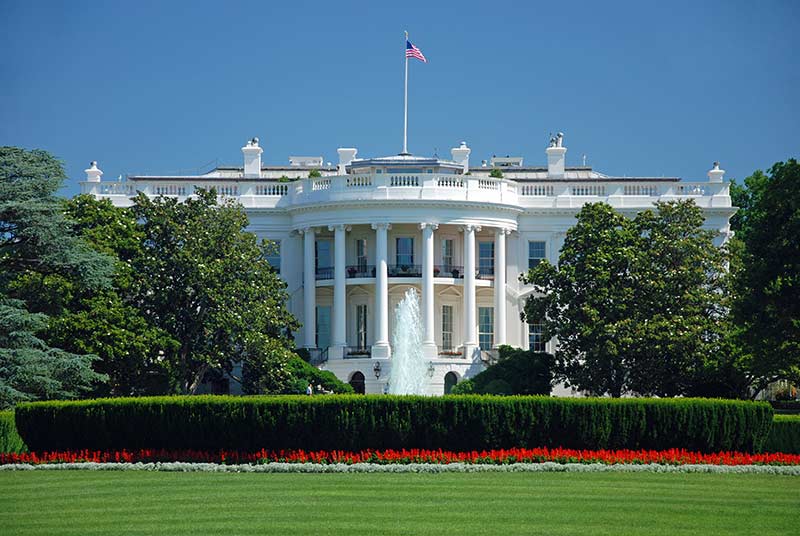
According to PBS NewsHour analysis, White House officials have indicated that Trump has previously expressed dissatisfaction with Netanyahu and pressured him to accept the terms of the deal earlier this week. However, Netanyahu and his aides have historically managed to persuade Trump toward their perspective in private discussions.
Conclusion
President Trump's public demand for Israel to end the Gaza war represents a significant escalation in U.S. involvement in the conflict. While Hamas has accepted key elements of Trump's proposal regarding hostage release, fundamental disagreements remain on demilitarization and governance structures. The coming days will reveal whether Trump's public pressure will compel Netanyahu to accept what Hamas has offered or if the Israeli leader can once again navigate the diplomatic challenges to maintain his government's position. The situation underscores the complex dynamics of Middle East diplomacy and the delicate balance between military objectives and humanitarian concerns.