Catholic Colleges and Contraceptive Access: Student-Led Solutions
At Catholic universities across the United States, students are creating covert networks to distribute contraceptives despite institutional restrictions. These underground 'womb services' and reproductive justice groups operate off-campus to provide essential sexual health resources that Catholic institutions typically prohibit. From DePaul University in Chicago to Notre Dame, student activists navigate complex administrative challenges while filling critical gaps in reproductive healthcare access. This movement represents a growing tension between institutional religious values and student health needs on campuses that enroll diverse student populations.
Across Catholic university campuses in the United States, a quiet revolution is unfolding as student activists establish covert contraceptive delivery networks to bypass institutional restrictions. These underground operations, often called "womb services" or reproductive justice groups, provide essential sexual health resources that Catholic colleges typically prohibit in accordance with church teachings that discourage premarital sex and birth control.
Institutional Restrictions and Student Response
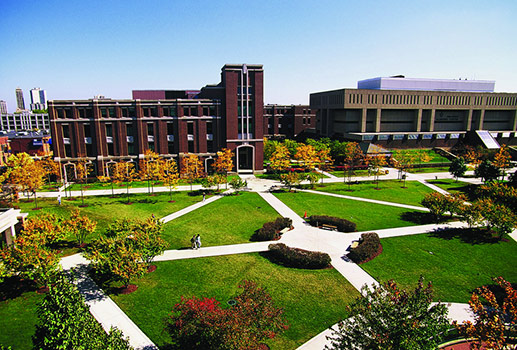
Catholic universities maintain policies that restrict contraceptive distribution on campus, reflecting the institution's religious mission and values. As reported by the Associated Press, DePaul University in Chicago prohibits distribution of any kind of birth control on its campus. This approach is common among Catholic institutions, which generally do not offer contraceptives at school-run health centers or through campus resources.
In response to these restrictions, student groups have organized to fill what they see as critical gaps in reproductive healthcare. At DePaul, a student group operates a covert contraceptive delivery network called "the womb service" that provides condoms and Plan B emergency contraception through text message coordination and designated handoff locations. Similar efforts exist at other Catholic institutions, including Loyola University Chicago and the University of Notre Dame.

Administrative Challenges and Student Persistence
Student contraceptive access initiatives frequently face administrative pushback. DePaul University revoked the official status of its Planned Parenthood Generation Action chapter in June 2025, forcing the group to operate off-campus. According to the university's statement, the decision was based on the group's affiliation with Planned Parenthood, the nation's largest abortion provider, and the institution's right to "restrict the distribution of medical or health supplies/devices items on university premises that it deems to be inappropriate from the perspective of the institution's mission and values."
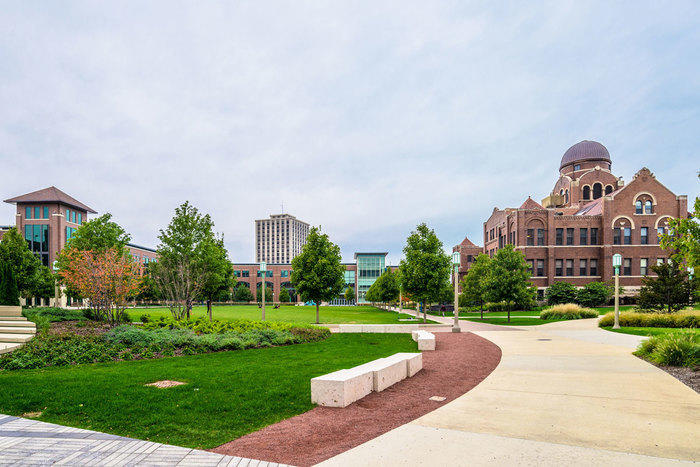
Despite these challenges, student organizers demonstrate remarkable persistence. At Loyola University, Students for Reproductive Justice delivers condoms, lubricant, pregnancy tests, and emergency contraception directly to students, receiving as many as 20 orders in a single night. The group also hosts "Free Condom Friday" events at bus stops just off campus. Similarly, the University of Notre Dame's Irish 4 Reproductive Health group distributes contraception off campus after forming in 2017 to challenge the university's decision to deny birth control coverage to students and employees.
Broader Context and Implications
The struggle for contraceptive access on Catholic campuses occurs within a broader national context of reproductive rights debates. As noted in the Associated Press coverage, efforts to restrict contraception have mounted around the U.S., with Republican-led states attempting to exclude emergency contraception from state Medicaid programs and introducing bills requiring parental consent for minors to access contraception.
Student organizers emphasize that their work addresses essential health needs on campuses that enroll students of all faiths. As Maddy Niziolek of Catholics for Choice explained, "These schools disproportionately don't provide contraception access, so students are stepping up to fill those gaps so that other students aren't being prevented from controlling their own reproductive destiny and reproductive freedom."
The impact of these student-led initiatives extends beyond immediate contraceptive access. According to Jill Delston, associate professor at the University of Missouri-St. Louis who has studied contraception access, "What's at stake for these students is their bodily autonomy — the direction of the rest of their lives, their ability to pursue their goals, get a degree, have a career or start a family at the time it suits them."
Moving Forward
Student activists continue to adapt and persist in their efforts. At DePaul, the students behind the womb service have re-applied under a new name — Students United for Reproductive Justice — and plan to continue distributing contraceptives. As organizer Maya Roman stated, "It is possible; it is feasible. And you're not alone in this fight."
These student-led movements represent a significant development in campus health advocacy, demonstrating how young activists navigate complex institutional environments to address critical healthcare needs while challenging traditional policies at religious educational institutions.