U.S. Naval Deployment in Caribbean Waters Sparks International Tensions
The United States has deployed a fleet of warships into Caribbean waters near Venezuela, escalating regional tensions. President Trump has characterized the military presence as part of anti-drug operations while threatening significant consequences if Venezuela refuses to accept more deportees. Venezuelan officials have denounced the deployment as an illegal threat, bringing the matter before the UN General Assembly. This development represents a significant escalation in the ongoing diplomatic standoff between the two nations.
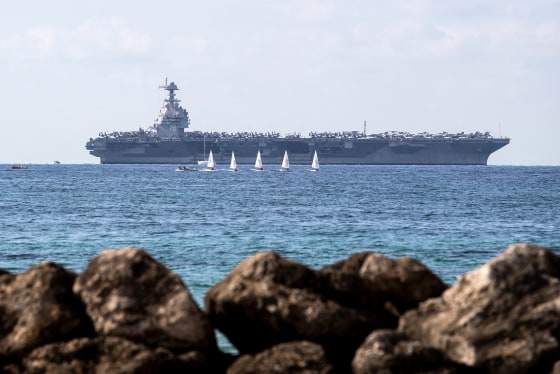
The United States has initiated a significant military deployment in the Caribbean region, positioning warships in waters near Venezuela. This strategic move comes amid escalating tensions between the two nations and represents a notable escalation in U.S. foreign policy toward Venezuela.

Military Deployment and Strategic Objectives
President Donald Trump has authorized the dispatch of American naval assets into the Caribbean, positioning them in proximity to Venezuelan territorial waters. The deployment includes multiple warships capable of conducting various military operations. According to administration statements, this military presence serves multiple strategic purposes, primarily focusing on counter-narcotics operations and regional security enforcement.
The Trump administration has publicly emphasized the anti-drug component of this deployment, with officials claiming successful strikes against alleged drug trafficking vessels. These operations have reportedly resulted in fatal engagements, though specific details about the nature of these encounters remain limited. The military presence represents a significant show of force in a region where U.S. influence has traditionally been strong but has faced challenges in recent years.

Diplomatic Implications and Venezuelan Response
Venezuela has responded strongly to the U.S. military presence, characterizing it as an illegal threat to their sovereignty. Venezuelan officials have brought their concerns before the United Nations General Assembly, arguing that the deployment violates international law and constitutes an act of aggression. This diplomatic confrontation highlights the deteriorating relationship between the two nations and the broader geopolitical tensions in the region.
The situation has drawn international attention, with regional observers monitoring the potential for further escalation. The deployment occurs against the backdrop of long-standing political and economic tensions between the United States and Venezuela, complicated by Venezuela's ongoing domestic crisis and U.S. sanctions policy.
Deportation Threats and Policy Context
President Trump has explicitly linked the military deployment to immigration policy, warning that Venezuela would face what he described as an "incalculable" price if it refuses to accept more individuals being deported from the United States. This connection between military action and immigration enforcement represents a significant development in U.S. foreign policy approach.
The threat underscores the administration's broader immigration enforcement strategy while adding a new dimension to the bilateral relationship. The explicit connection between military presence and compliance with U.S. deportation demands marks a departure from traditional diplomatic approaches to such matters.

Regional Security Implications
The U.S. naval deployment has broader implications for Caribbean security dynamics and regional power balances. The presence of American warships in these waters affects not only U.S.-Venezuela relations but also influences the strategic calculations of other regional actors. The situation demonstrates how bilateral disputes can have regional consequences, potentially affecting maritime security, economic interests, and diplomatic alignments throughout the Caribbean basin.
As the situation continues to develop, international observers are watching for potential escalation or de-escalation signals from both sides. The deployment represents a significant test of regional diplomacy and the effectiveness of international institutions in mediating such disputes.