Read on Global News
Federal Judges Order Continuation of SNAP Funding During Government Shutdown
In a significant legal development, two federal judges ruled simultaneously that the Trump administration must continue funding the Supplemental Nutrition Assistance Program (SNAP) using contingency funds during the government shutdown. The rulings came just before the USDA planned to freeze payments to the program that serves approximately 1 in 8 Americans. The decisions from judges in Massachusetts and Rhode Island require the administration to utilize available contingency funds to maintain this critical component of the nation's social safety net.
In a landmark legal decision with immediate implications for millions of Americans, federal courts have intervened to protect food assistance programs during the ongoing government shutdown. Two federal judges issued nearly simultaneous rulings requiring the Trump administration to continue funding the Supplemental Nutrition Assistance Program (SNAP), the nation's largest food aid program, using available contingency funds.

Simultaneous Judicial Rulings
The coordinated judicial actions occurred on Friday, with U.S. District Judge Indira Talwani in Boston and U.S. District Judge John J. McConnell in Providence both ruling against the administration's plan to suspend SNAP payments. These decisions came just one day before the U.S. Department of Agriculture planned to freeze payments to the program, citing the government shutdown as justification for the suspension.
Judge Talwani's written opinion explicitly declared the suspension "unlawful" and ordered the federal government to provide the court with an update by Monday regarding their plans to use contingency funds. Similarly, Judge McConnell ruled from the bench that the program must be funded using at least the contingency funds and also requested a progress report by Monday.
Legal Basis and Contingency Funds
The legal challenge was brought by Democratic state attorneys general or governors from 25 states, plus the District of Columbia, who argued that the administration had both the authority and obligation to continue funding SNAP using available contingency reserves. The administration had contended that it wasn't permitted to use a contingency fund containing approximately $5 billion for the program, reversing earlier USDA plans that indicated this money would be tapped to maintain SNAP operations during shutdowns.
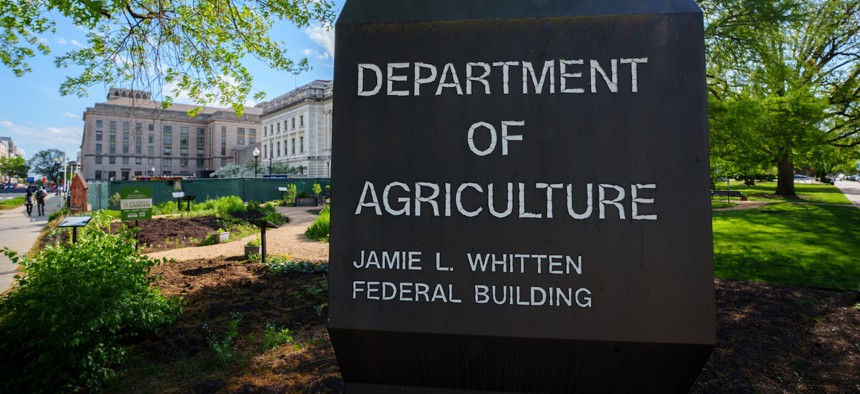
Democratic officials successfully argued that not only could these funds be utilized, but they must be used to maintain the program. They also pointed to a separate fund containing around $23 billion that could potentially be accessed for SNAP funding. Judge Talwani specifically noted in her ruling that "Defendants' suspension of SNAP payments was based on the erroneous conclusion that the Contingency Funds could not be used to ensure continuation of SNAP payments."
Program Significance and Impact
SNAP represents a fundamental component of America's social safety net, serving approximately 1 in 8 Americans at a cost of about $8 billion per month nationally. The program provides crucial nutritional support to low-income individuals and families, with eligibility requirements that limit participation to households with net incomes below the federal poverty line—approximately $31,000 annually for a family of four in 2025.
The potential suspension of SNAP benefits would have forced millions of Americans to choose between purchasing groceries and paying other essential bills. Last year, SNAP provided assistance to 41 million people, nearly two-thirds of whom were families with children. The judicial intervention prevents what advocates described as using vulnerable populations as leverage in political negotiations.
Implementation and Next Steps
The immediate practical implications of the rulings include the reloading of SNAP debit cards that beneficiaries use to purchase groceries—a process that typically requires one to two weeks. The judges provided the administration with flexibility regarding whether to fund the program partially or in full for November using the contingency funds.
Additionally, Judge McConnell ruled that all previous work requirement waivers must continue to be honored, countering the USDA's termination of existing waivers that had exempted work requirements for older adults, veterans, and other vulnerable populations during the shutdown. These rulings are expected to face appeals, continuing the legal battle over SNAP funding during the government shutdown.