White House Threatens Mass Federal Firings Amid Looming Government Shutdown
The White House is threatening to use a potential government shutdown to permanently restructure federal agencies through mass firings. With funding deadlines approaching and Congress unlikely to reach an agreement, this strategy could fundamentally alter the federal workforce. The administration's position represents a significant escalation in budget negotiations and raises concerns about government stability and essential services.
The White House has escalated budget negotiations by threatening to use an impending government shutdown as leverage to permanently restructure federal agencies through mass firings. With funding deadlines rapidly approaching and congressional consensus appearing unlikely, this strategy represents a significant shift in how administrations approach budget standoffs.
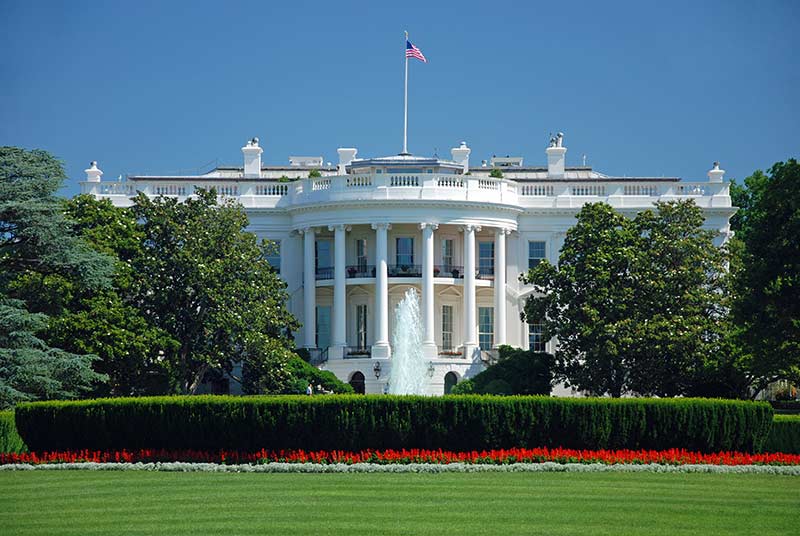
The Shutdown Threat Timeline
Lawmakers face critical funding deadlines with little indication that they will reach an agreement before the cutoff date. The White House's position, as reported by congressional correspondent Lisa Desjardins and White House correspondent Liz Landers, suggests a deliberate strategy to leverage the shutdown threat for long-term structural changes rather than temporary budget resolutions.
Administration's Strategic Position
The administration's threat to hollow out federal agencies represents a departure from traditional shutdown negotiations. Rather than seeking temporary funding extensions or limited concessions, this approach aims for permanent reductions in federal workforce and agency capacity. This strategy could have lasting implications for how government services are delivered and maintained.
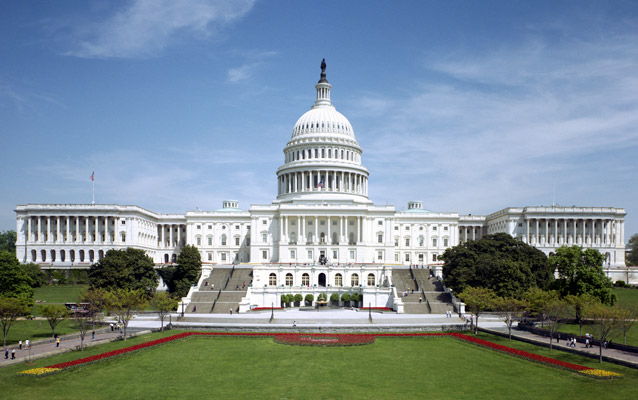
Potential Impact on Federal Operations
If implemented, mass firings during a shutdown could fundamentally alter the federal government's operational capacity. Essential services might be maintained through skeleton crews, while non-essential functions could face permanent reduction or elimination. The timing of these threats, coming just days before the funding deadline, increases pressure on congressional negotiators.
Congressional Response and Negotiations
Lawmakers now face increased pressure to either reach a funding agreement or prepare for potential mass firings. The White House's position complicates traditional shutdown dynamics, where temporary solutions typically prevail. Congressional leaders must weigh the immediate need to avoid shutdown against long-term concerns about federal agency capacity.
The situation remains fluid as the funding deadline approaches, with both administrative and legislative branches positioning for what could become a defining moment in federal budget negotiations and government operations.