Trump and Starmer Clash Over Palestinian State Recognition
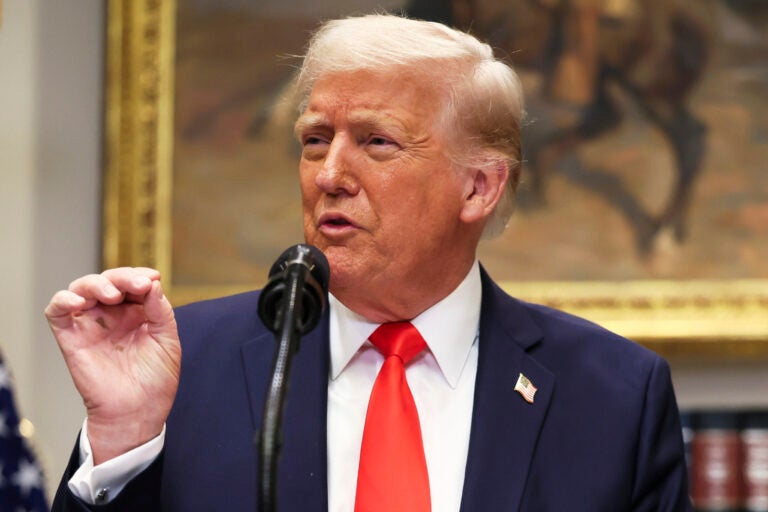
Former U.S. President Donald Trump concluded his UK tour with a significant policy disagreement with British Prime Minister Keir Starmer regarding Britain's plan to recognize a Palestinian state. The disagreement highlights ongoing tensions in international diplomacy surrounding the Israeli-Palestinian conflict and demonstrates the continued influence of Trump's foreign policy positions on global affairs.
Former U.S. President Donald Trump's recent visit to the United Kingdom concluded with a notable diplomatic disagreement with British Prime Minister Keir Starmer over Britain's proposed plan to recognize a Palestinian state. This development underscores the complex dynamics of international relations and the ongoing challenges in Middle East peace negotiations.
The Diplomatic Disagreement
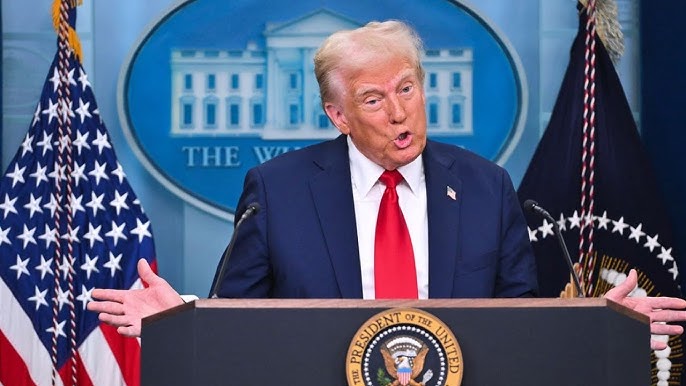
The disagreement emerged during Trump's UK tour, where he publicly expressed his opposition to Starmer's initiative regarding Palestinian state recognition. This policy divergence represents a significant point of contention between the two leaders and reflects broader differences in approach to Middle East diplomacy. The former president's stance aligns with his longstanding position on Israeli-Palestinian relations, which he articulated during his presidency.
International Implications
This diplomatic friction has important implications for international relations, particularly regarding the ongoing Israeli-Palestinian conflict. The disagreement between Trump and Starmer highlights the complex web of alliances and policy positions that characterize global diplomacy. As reported by CGTN, the disagreement occurred amid significant public attention and protest activity during Trump's visit.

Broader Context
The disagreement over Palestinian state recognition occurs within a broader context of shifting international positions on the Israeli-Palestinian conflict. Various nations have been reevaluating their approaches to this long-standing issue, with some European countries considering more formal recognition of Palestinian statehood. Trump's intervention in this debate demonstrates his continued influence on international policy discussions.
The public nature of this disagreement ensures that it will likely influence future diplomatic engagements between the United States and United Kingdom, particularly as both nations navigate their respective roles in Middle East peace processes. The outcome of this policy divergence may have lasting effects on international consensus-building around the Israeli-Palestinian conflict.