Nicolas Sarkozy Sentencing Postponed Following Corruption Conviction
Former French President Nicolas Sarkozy has avoided immediate imprisonment after a Paris court postponed his sentencing date following his corruption conviction. The 70-year-old politician was spared the humiliation of being led from the courtroom in handcuffs as the court set a later date for sentencing. This development comes after Sarkozy was found guilty of corruption and influence peddling in a case that has captured international attention.
Former French President Nicolas Sarkozy has been granted a temporary reprieve from immediate imprisonment after a Paris court decided to postpone his sentencing following a corruption conviction. The 70-year-old politician avoided the humiliating spectacle of being led from the courtroom in handcuffs as the court announced that sentencing would occur at a later, unspecified date.
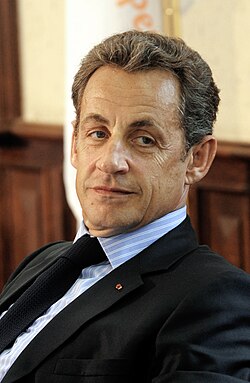
Legal Proceedings and Conviction
The Paris court's decision to delay sentencing represents a significant moment in the legal proceedings against the former French leader. Sarkozy was convicted on corruption charges related to allegations that he attempted to obtain classified information from a senior magistrate in exchange for promises of a prestigious position in Monaco. The case has been closely watched both in France and internationally, given Sarkozy's status as a former head of state.
Political Implications
The postponement of sentencing allows Sarkozy to avoid immediate imprisonment while his legal team prepares for the next phase of the judicial process. This development comes at a sensitive time in French politics, with the case raising questions about accountability for high-ranking officials. The conviction marks the second time Sarkozy has been found guilty of illegal activities, following a previous campaign finance violation conviction in 2021.

Legal Defense and Next Steps
Sarkozy's legal team has indicated they will appeal the conviction, a process that could take several months or even years to resolve. The former president has consistently maintained his innocence throughout the proceedings, describing the allegations as a "persecution" rather than a legitimate legal process. The sentencing postponement provides additional time for both the defense and prosecution to prepare their respective positions.
The court's decision to delay sentencing reflects the complex nature of cases involving former heads of state and the careful consideration required in such high-profile matters. As the legal process continues to unfold, the case against Nicolas Sarkozy remains a landmark example of judicial accountability for former political leaders.