Israel's Diplomatic Isolation: Netanyahu's UN Address Amid Growing International Pressure
Israeli Prime Minister Benjamin Netanyahu's upcoming address at the United Nations General Assembly comes at a critical juncture for Israel's international standing. As global scrutiny intensifies, Israel faces increasing diplomatic isolation from traditional allies, raising questions about the nation's future foreign policy direction and international relationships.
Israeli Prime Minister Benjamin Netanyahu's scheduled address to world leaders at the United Nations on Friday represents a pivotal moment for Israel's international diplomacy. The speech occurs against a backdrop of growing international pressure and diplomatic challenges that have positioned Israel in an increasingly isolated position on the global stage.

Israel's Shifting International Standing
The diplomatic landscape for Israel has undergone significant transformation in recent years. Traditional alliances that once provided consistent support have shown signs of strain, with several longtime allies adopting more critical stances toward Israeli policies. This shift reflects broader changes in global politics and evolving international norms regarding conflict resolution and human rights.
Netanyahu's UN appearance comes at a time when Israel faces unprecedented scrutiny from international bodies and partner nations. The country's foreign policy approach has drawn criticism from various quarters, including some Western democracies that have historically been reliable supporters. This changing dynamic presents both challenges and opportunities for Israel's diplomatic strategy moving forward.
The United Nations as a Diplomatic Battleground
The United Nations General Assembly serves as a crucial platform for international diplomacy, where world leaders present their nations' perspectives on global issues. For Israel, this venue has historically been challenging, with the country frequently facing criticism from member states. Netanyahu's address will likely address these concerns while articulating Israel's position on regional security and international relations.
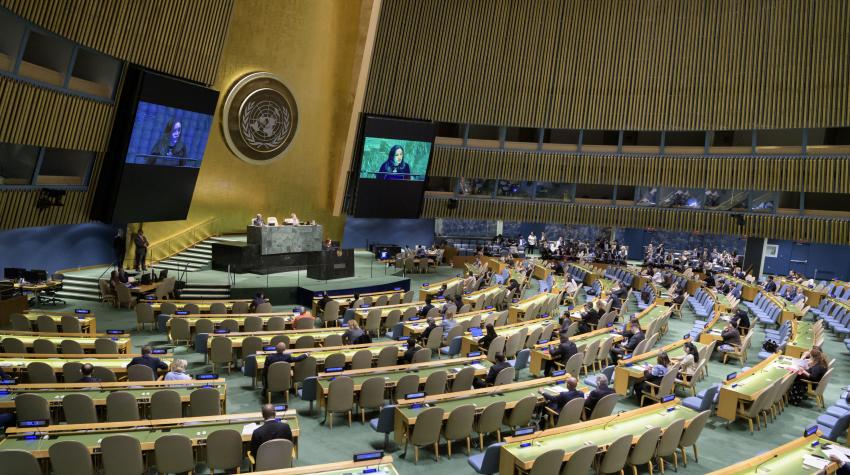
The timing of this address is particularly significant, as it follows recent developments in Middle Eastern politics and ongoing regional conflicts. World leaders will be watching closely for indications of how Israel plans to navigate its increasingly complex international relationships and whether new diplomatic approaches might emerge.
Implications for Future Diplomacy
Israel's current diplomatic situation raises important questions about the country's future international engagement. The growing perception of Israel as a pariah state could have lasting consequences for its economic partnerships, security cooperation, and political alliances. Netanyahu's speech may offer insights into how Israeli leadership intends to address these challenges.
As global politics continue to evolve, Israel faces the task of balancing its security needs with the demands of international diplomacy. The outcome of this diplomatic positioning could influence not only Israel's immediate foreign relations but also its long-term standing in the international community.

The international community's response to Netanyahu's address will provide valuable indicators of Israel's current diplomatic standing. How world leaders receive his message and whether it leads to meaningful dialogue or further isolation will shape the next chapter in Israel's international relations.