U.S. Vetoes UN Security Council Resolution Demanding Gaza Ceasefire
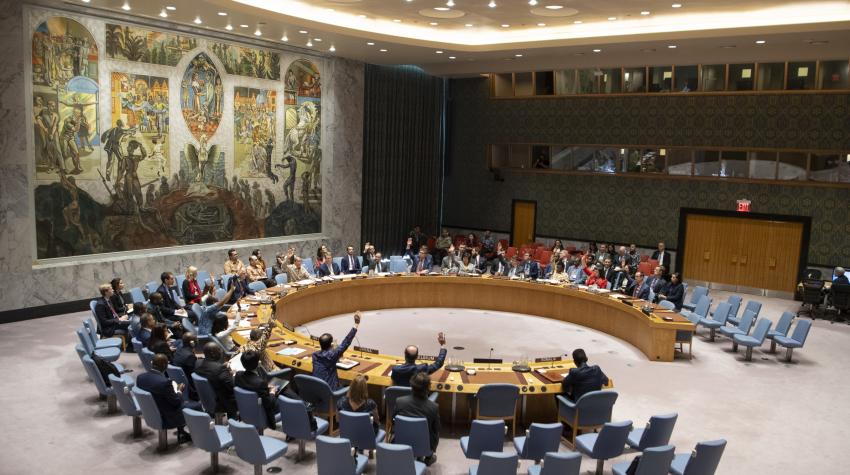
The United States exercised its veto power at the UN Security Council on Thursday, blocking a resolution that called for an immediate, unconditional, and permanent ceasefire in Gaza. The draft resolution also demanded that Israel lift all restrictions on humanitarian aid deliveries to the Palestinian enclave. This marks the sixth time the U.S. has used its veto power regarding Gaza-related measures, highlighting ongoing diplomatic tensions and the complex geopolitical dynamics surrounding the conflict.
The United Nations Security Council witnessed a significant diplomatic development on Thursday when the United States vetoed a draft resolution demanding an immediate, unconditional, and permanent ceasefire in Gaza. The resolution, which also called for Israel to lift all restrictions on humanitarian aid deliveries to the Palestinian territory, failed to pass due to the U.S. veto power. This action represents the sixth time the United States has blocked Gaza-related measures at the Security Council, underscoring the persistent diplomatic challenges in addressing the ongoing conflict.
Resolution Details and Key Provisions
The draft resolution contained several critical provisions aimed at addressing the humanitarian situation in Gaza. Central to the measure was the demand for an immediate and permanent ceasefire, which would require all parties to halt hostilities without preconditions. Additionally, the resolution specifically called on Israel to remove all restrictions blocking the flow of humanitarian aid into Gaza, where the population continues to face severe shortages of essential supplies including food, water, and medical resources.
U.S. Position and Diplomatic Context
The United States' decision to veto the resolution reflects its ongoing diplomatic stance regarding the Gaza conflict. As a permanent member of the Security Council, the U.S. maintains veto power that allows it to block any resolution, regardless of international support. This latest veto continues a pattern of U.S. opposition to measures that it perceives as unbalanced or failing to address security concerns adequately. The diplomatic move occurs within the broader context of ongoing negotiations and international efforts to mediate the conflict.
International Reactions and Implications
The veto has generated varied responses from the international community, with some nations expressing disappointment while others understanding the complex diplomatic considerations involved. The failure of the resolution to pass maintains the status quo in Security Council action regarding Gaza, continuing the pattern of diplomatic stalemate that has characterized international efforts to address the conflict. This development may influence future diplomatic initiatives and alternative approaches to addressing the humanitarian situation.
The ongoing situation in Gaza remains a focal point of international diplomatic efforts, with various nations and organizations continuing to seek pathways toward conflict resolution and humanitarian relief. The U.S. veto represents another chapter in the complex diplomatic landscape surrounding the Israeli-Palestinian conflict, highlighting the challenges of achieving consensus within the international community on appropriate measures and interventions.