Syria's Al-Sharaa Addresses UN Assembly: From US Bounty to Presidential Platform
At the UN General Assembly, Ahmed Al-Sharaa, who once had a US bounty on his head, appeared as Syria's President, marking a dramatic shift in his political journey. The former fighter against both the Assad regime and American forces in Iraq now leads the nation he once opposed. This analysis examines his UN address and the implications for Syria's future, drawing insights from discussions with former Ambassador James Jeffrey about Al-Sharaa's vision for a transformed Syria.
In a remarkable turn of events at the United Nations General Assembly in New York, Ahmed Al-Sharaa, a man who just one year ago had a U.S. bounty on his head, took center stage as the President of Syria. This dramatic appearance represents one of the most significant political transformations in recent Middle Eastern politics, signaling potential shifts in Syria's international standing and internal governance.

From Opposition Fighter to National Leader
Al-Sharaa's journey to the presidency is particularly noteworthy given his background as a longtime opponent of the Assad regime. For more than a decade, he actively fought against the Syrian government, positioning himself as a key figure in the opposition movement. His military experience extends beyond Syria's borders, having previously engaged American forces during the conflict in Iraq.
This background makes his current position as Syria's president especially significant. As reported by PBS NewsHour, Al-Sharaa used his UN platform to outline a vision for Syria that breaks from what he described as the country's "wretched past." His address focused on national reconciliation and rebuilding, suggesting a departure from previous governmental approaches.
International Implications and Diplomatic Shifts
The presence of a former bounty target now representing Syria at the UN signals potential changes in international relations. Al-Sharaa's appearance suggests evolving diplomatic dynamics, particularly between Syria and Western nations. His transition from wanted figure to head of state raises questions about how international actors will engage with Syria's new leadership.
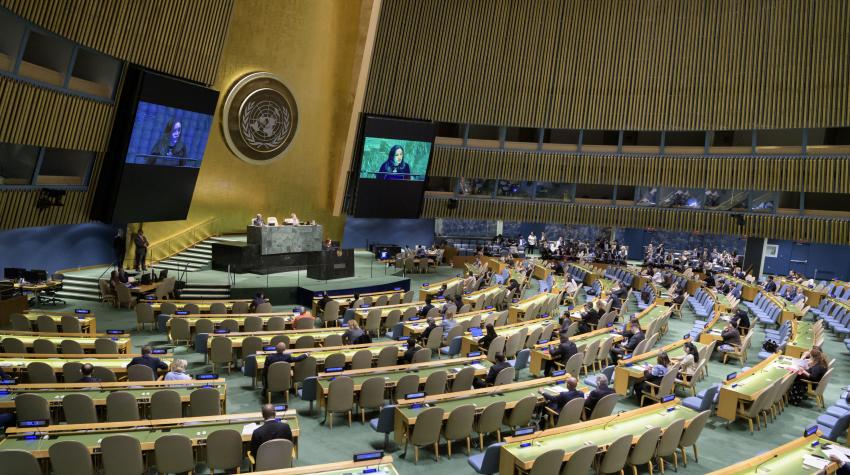
Former Ambassador James Jeffrey, who discussed Al-Sharaa's appearance with Ali Rogin of PBS NewsHour, provided expert analysis on these diplomatic implications. Jeffrey's insights help contextualize what Al-Sharaa's leadership might mean for regional stability and international policy toward Syria.
Vision for Syria's Future
During his UN address, Al-Sharaa emphasized his commitment to creating a "new Syria" free from the conflicts and divisions that have characterized recent decades. This vision appears to acknowledge the country's turbulent history while proposing a path forward focused on unity and reconstruction.
The president's message of transformation comes at a critical juncture for Syria, which continues to face significant challenges including economic instability, infrastructure damage from years of conflict, and ongoing humanitarian concerns. Al-Sharaa's promise of a break from the past suggests potential policy shifts in how these issues will be addressed.

Regional and Global Reactions
The international community's response to Al-Sharaa's UN appearance will be crucial in determining Syria's future diplomatic relationships. His background as both an opposition fighter and someone who engaged American forces creates a complex diplomatic profile that different nations will interpret through their own strategic lenses.
Regional powers particularly will be watching how Al-Sharaa's leadership affects Syria's relationships with neighboring countries and its role in Middle Eastern politics. His UN address represents an important opportunity to shape these perceptions and establish his government's international credibility.
As Syria continues its difficult path toward stability and reconstruction, Al-Sharaa's leadership and the international community's response will significantly influence the country's future direction. His UN appearance marks a pivotal moment in this ongoing process.