Trump's 'Paper Tiger' Assessment: Analyzing Russia's Military Performance in Ukraine
Former President Donald Trump has characterized Russia as a 'paper tiger' in the Ukraine conflict, stating that Moscow has been 'fighting aimlessly' in a war that should have taken a real military power less than a week to win. This assessment comes amid ongoing geopolitical tensions and raises questions about Russia's military capabilities and strategic execution. The comments reflect Trump's long-standing views on international military power dynamics and offer a critical perspective on Russia's performance in the ongoing conflict.
Former President Donald Trump's recent characterization of Russia as a 'paper tiger' in the Ukraine conflict has sparked significant discussion among geopolitical analysts and military experts. Trump asserted that Russia has been 'fighting aimlessly' in a war that should have taken a real military power less than a week to win, according to reports from Global News. This assessment provides a critical perspective on Russia's military capabilities and strategic execution in the ongoing conflict.

Trump's Military Assessment
Trump's comments represent one of the most direct criticisms from a major Western political figure regarding Russia's military performance. The characterization of Russia as a 'paper tiger' suggests that despite its formidable military reputation and nuclear arsenal, the country has demonstrated significant weaknesses in conventional warfare capabilities. This assessment aligns with observations from military analysts who have noted Russia's struggles with logistics, command structure, and tactical execution throughout the conflict.
Geopolitical Implications
The timing and nature of Trump's remarks carry substantial geopolitical weight. As a former president and potential future candidate, Trump's views on international military affairs influence global perceptions and policy discussions. His assessment challenges conventional wisdom about Russian military strength and raises questions about the balance of power in Eastern Europe. The comments also come amid ongoing debates about Western support for Ukraine and the broader strategic implications of the conflict.
Military Analysis Perspective
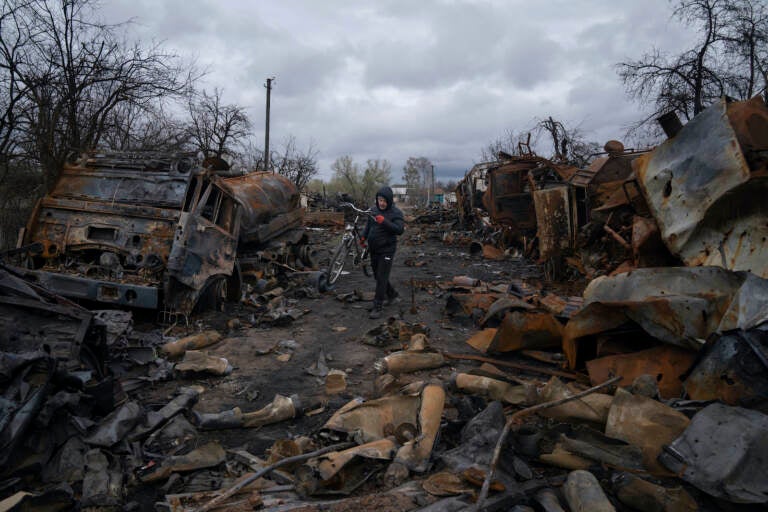
From a military analysis standpoint, Trump's characterization touches on several key observations about Russia's campaign. The reference to 'fighting aimlessly' suggests a lack of clear strategic objectives or effective operational planning. Military experts have noted Russia's difficulties in adapting to Ukrainian resistance and implementing coherent military strategies. The comparison to what a 'real military power' could achieve highlights perceived deficiencies in Russia's combat effectiveness.
Political Context and Reactions
Trump's comments must be understood within their political context. As reported by Global News, these remarks continue Trump's pattern of offering blunt assessments of international affairs and military capabilities. The 'paper tiger' characterization reflects his distinctive approach to foreign policy commentary and aligns with his previous statements about military strength and national power. The assessment has drawn mixed reactions from political analysts, with some viewing it as an accurate critique and others as oversimplification of complex military realities.

Trump's assessment of Russia as a 'paper tiger' in the Ukraine conflict provides a provocative perspective on contemporary military dynamics. While the characterization simplifies complex geopolitical realities, it highlights genuine concerns about Russia's military performance and strategic execution. As the conflict continues to evolve, such assessments contribute to ongoing debates about military capability, international power balances, and the future of European security architecture. The comments underscore the importance of realistic military assessment in formulating effective foreign policy responses to international conflicts.