Israeli Army Closes Evacuation Route from Gaza City Amid Ongoing Conflict
The Israeli military has closed a key evacuation route from Gaza City, significantly impacting civilian movement and humanitarian efforts in the region. This development comes amid ongoing military operations and raises concerns about civilian safety and access to essential services. The closure affects one of the primary pathways used by residents seeking to leave conflict-affected areas.
The Israeli military's decision to close a major evacuation route from Gaza City represents a significant development in the ongoing conflict situation. This action has immediate implications for civilian movement, humanitarian access, and the overall security dynamics in the region. The closure affects one of the primary pathways that residents have been using to seek safety from conflict zones.
Current Situation and Military Rationale
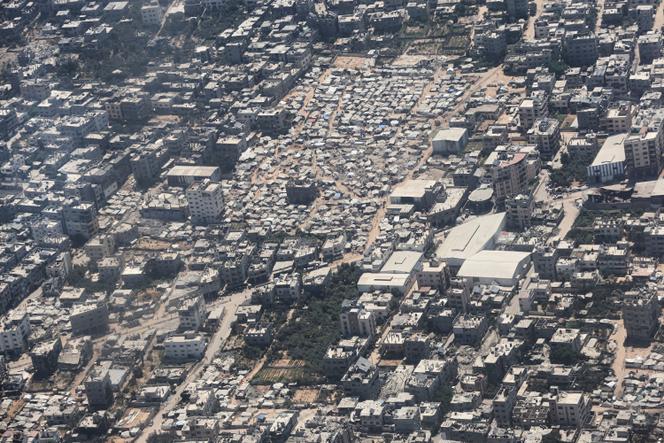
The Israeli army has implemented the closure as part of ongoing security operations in the Gaza Strip. Military officials have cited security concerns as the primary reason for restricting movement along this critical route. The decision follows recent developments in the conflict and reflects the evolving tactical approach being employed by Israeli forces.
Impact on Civilian Population
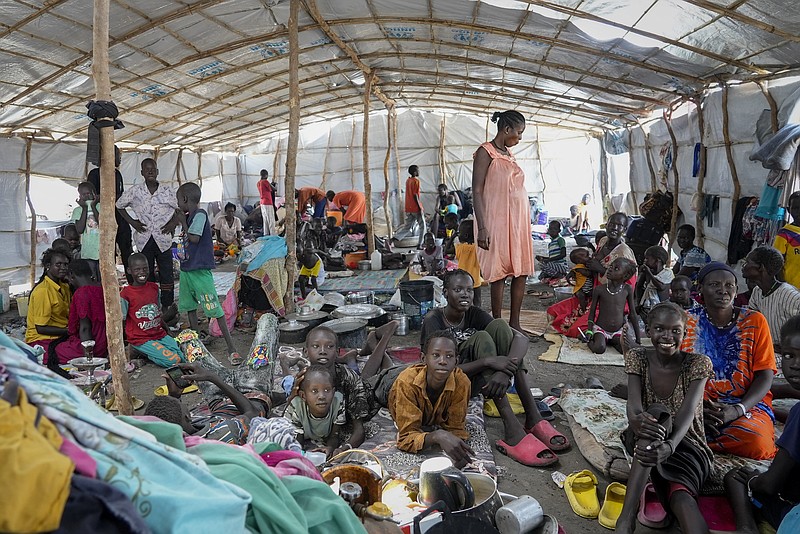
The closure of this evacuation route has created significant challenges for Gaza City residents attempting to relocate to safer areas. Families seeking to escape conflict zones now face limited options for safe passage, potentially increasing their exposure to dangerous situations. Humanitarian organizations have expressed concern about the reduced mobility affecting vulnerable populations.

Humanitarian Considerations
International aid groups are monitoring the situation closely, as route closures can severely impact the delivery of essential supplies and medical assistance. The restricted movement affects not only civilians seeking safety but also humanitarian workers attempting to provide critical support services. The closure may necessitate alternative coordination efforts between military authorities and relief organizations.
Regional Security Implications
This military decision occurs within the broader context of regional security dynamics and ongoing negotiations. The route closure represents a tactical measure that could influence future diplomatic efforts and conflict resolution initiatives. Military analysts are observing how such movements affect the overall stability of the region and potential peace processes.
Looking Forward
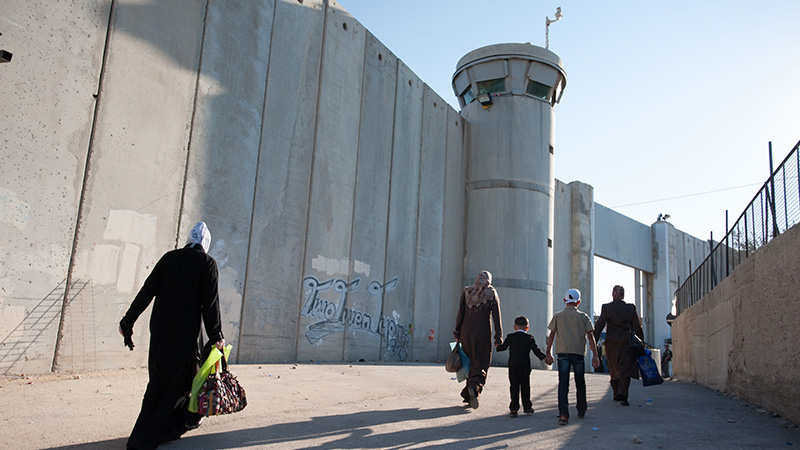
The situation remains fluid, with potential for further adjustments to evacuation policies as security conditions evolve. International observers continue to call for balanced approaches that prioritize civilian protection while addressing legitimate security concerns. The ongoing developments will likely influence future humanitarian coordination and conflict management strategies in the region.