Tourist's Italian Nightmare: Mistaken Identity Leads to Prison Detention
A tourist's dream vacation in Italy turned into a nightmare when he was mistakenly identified as a wanted criminal with the same name. The individual, who shares an identity with a previously convicted felon sentenced to two years for aggravated theft, found himself detained by Italian authorities. This case highlights the serious implications of identity confusion in international travel and raises questions about cross-border law enforcement protocols.
Imagine traveling to Italy for a dream vacation, only to find yourself detained by authorities who mistake you for a convicted criminal. This was the reality for one unfortunate tourist who discovered the alarming consequences of sharing a name with a wanted felon. The case, which involved mistaken identity with an individual previously sentenced to two years in prison for aggravated theft, demonstrates how quickly international travel can turn from pleasure to peril.

The Mistaken Identity Incident
The tourist's ordeal began when Italian law enforcement officials identified him as a criminal with an identical name who had been convicted of aggravated theft. According to the case details, the actual criminal had received a two-year prison sentence for their offenses. The tourist, who was completely unaware of this namesake, found himself facing serious legal consequences despite having no connection to the criminal activities.
Legal Implications and Challenges
This case raises significant questions about international law enforcement protocols and identity verification processes. When travelers cross borders, they rely on accurate identification systems to distinguish between individuals with similar or identical names. The incident demonstrates how existing systems can fail, potentially subjecting innocent people to detention and legal proceedings.
Preventing Future Incidents
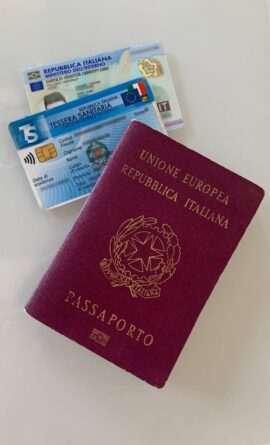
To avoid similar situations, travelers should consider taking precautionary measures when visiting foreign countries. These might include carrying additional identification documents, researching potential name conflicts in destination countries, and understanding local legal systems. International authorities also need to improve cross-border communication and identity verification protocols to prevent such errors.
The resolution of this particular case brought relief to the wrongly detained tourist, but the experience serves as a cautionary tale for international travelers. As global mobility increases, so does the importance of robust identity verification systems that can accurately distinguish between individuals, ensuring that innocent people don't face legal consequences due to administrative errors or name similarities.