Russian Surveillance Plane Tracked by German and Swedish Fighter Jets Over Baltic Sea
German and Swedish fighter jets intercepted and tracked an unidentified Russian surveillance plane flying over the Baltic Sea on Sunday. The incident highlights ongoing tensions in the region and demonstrates NATO's vigilance in monitoring airspace near member territories. Military officials confirmed the tracking operation but provided limited details about the aircraft's specific mission or flight path.
German and Swedish military forces conducted a joint tracking operation on Sunday, monitoring an unidentified Russian surveillance plane flying over the Baltic Sea. The incident represents the latest in a series of aerial encounters that underscore the ongoing geopolitical tensions in Northern Europe.
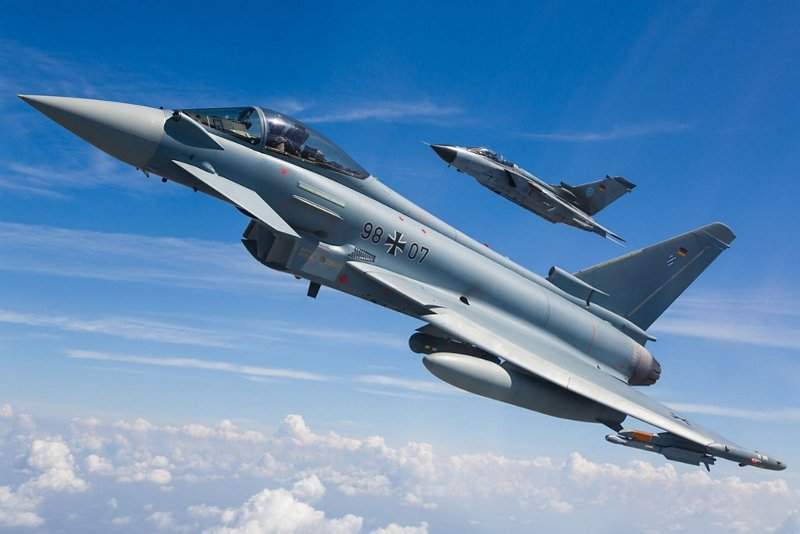
The Baltic Sea has become a frequent site of such military encounters, serving as a strategic corridor between Russia and NATO member states. Sunday's incident involved advanced fighter jets from both Germany and Sweden working in coordination to monitor the Russian aircraft's movements.
Military Response and Protocol
According to standard NATO procedures, unidentified aircraft approaching allied airspace trigger immediate response protocols. The German and Swedish air forces deployed fighter jets to visually identify the Russian plane and track its flight path. This type of response is considered routine within established military protocols for airspace monitoring.

Regional Security Implications
The incident occurs against a backdrop of heightened security concerns in Northern Europe following Russia's actions in Ukraine. The Baltic Sea region has seen increased military activity from both NATO and Russian forces, with regular patrols and surveillance operations becoming more frequent.
Sweden's participation in the operation is particularly noteworthy, as the country recently joined NATO, strengthening the alliance's presence in the Baltic region. This enhanced cooperation demonstrates the evolving security architecture in Northern Europe and the commitment to collective defense measures.
Technical Aspects of Surveillance
Russian surveillance aircraft typically conduct intelligence gathering missions, including electronic surveillance and signal intelligence collection. These flights often test NATO response times and gather information about allied defense capabilities. The unidentified nature of Sunday's flight suggests it may have been conducting routine surveillance or testing regional defense readiness.

Military experts note that such intercepts, while potentially tense, are conducted under established international protocols to prevent escalation. Both Russian and NATO forces maintain communication channels to ensure these encounters remain professional and avoid accidental conflicts.
The tracking operation concluded without incident, with the Russian aircraft eventually leaving the area monitored by NATO allies. The incident serves as a reminder of the ongoing strategic competition in the region and the importance of maintaining vigilant air defense capabilities.