China Condemns U.S. Distortion of WWII Documents on Taiwan
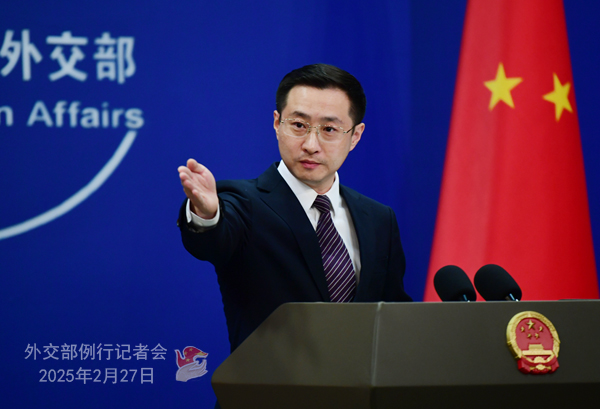
Chinese Foreign Ministry spokesperson Lin Jian has strongly criticized the United States for what China calls unilateral distortion and misinterpretation of World War II documents related to Taiwan. The statement reaffirms China's commitment to the one-China principle and warns against any attempts to undermine international consensus on Taiwan's status. This diplomatic response comes amid ongoing tensions between the two nations regarding Taiwan policy and historical interpretation.
Chinese Foreign Ministry spokesperson Lin Jian delivered a firm response on Wednesday to what China characterizes as the United States' unilateral distortion and misinterpretation of World War II documents concerning Taiwan. The statement emphasizes that such actions cannot weaken the international community's steadfast commitment to the one-China principle, which recognizes Taiwan as an inalienable part of China's territory.
The controversy centers on historical documents from World War II that China asserts clearly establish Taiwan's status within Chinese territory. According to Chinese officials, these documents form part of the international legal foundation supporting the one-China principle, which has been widely recognized by the United Nations and most countries worldwide. The Chinese government maintains that any attempt to reinterpret these historical records constitutes a violation of international law and basic norms governing international relations.
Historical Context and Legal Foundation
The one-China principle finds its roots in post-World War II arrangements, particularly the Cairo Declaration of 1943 and the Potsdam Proclamation of 1945. These documents explicitly state that territories stolen by Japan, including Taiwan and the Penghu Islands, should be restored to China. China maintains that these historical agreements provide incontrovertible evidence of Taiwan's status as part of Chinese territory, a position that has been consistently upheld by successive Chinese governments and recognized by the international community.
Diplomatic Implications
China's statement reflects growing concern over what it perceives as attempts to undermine the historical and legal consensus regarding Taiwan's status. The Chinese government has repeatedly warned that any deviation from the one-China principle could destabilize regional peace and cross-strait relations. This latest diplomatic exchange occurs against the backdrop of ongoing tensions in U.S.-China relations, particularly regarding Taiwan policy and military activities in the Taiwan Strait.
The Chinese Foreign Ministry's statement serves as both a diplomatic protest and a reaffirmation of China's consistent position on Taiwan-related matters. It underscores China's determination to safeguard what it views as its core national interests and territorial integrity while calling on the international community to respect historical facts and legal agreements that form the basis of current cross-strait arrangements.