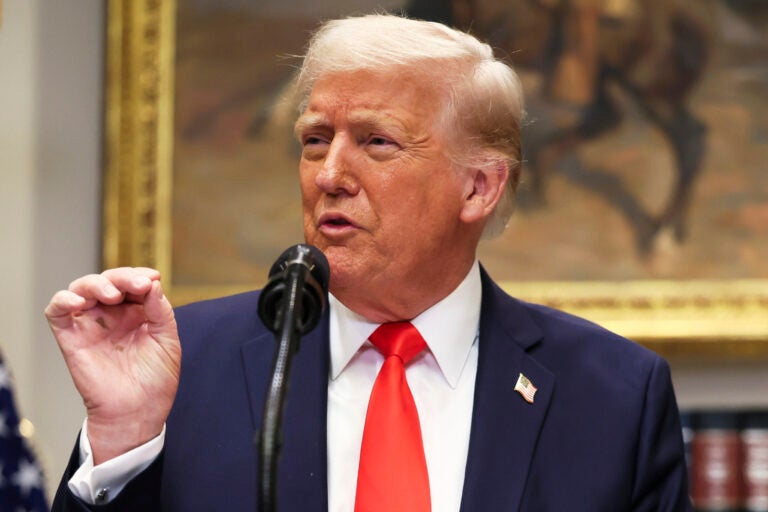
Federal Appeals Court Rejects Trump's Bid to Remove Fed Governor Lisa Cook
A U.S. federal appeals court has denied former President Donald Trump's attempt to quickly remove Federal Reserve Governor Lisa Cook from her position. The court's decision, issued on Monday, allows Cook to remain in her role while legal proceedings continue. This ruling represents a significant development in the ongoing tension between presidential authority and Federal Reserve independence.
A U.S. federal appeals court delivered a significant ruling on Monday, rejecting former President Donald Trump's attempt to swiftly remove Federal Reserve Governor Lisa Cook from her position. This decision represents a crucial moment in the ongoing balance between presidential authority and the independence of the Federal Reserve system.
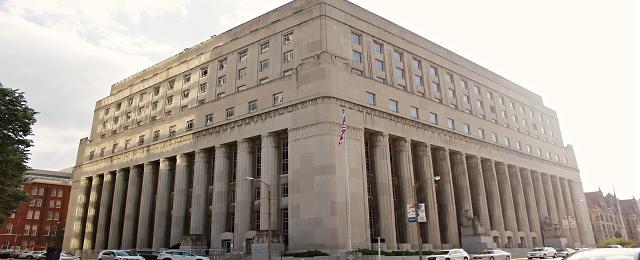
Court Ruling Details
The appeals court's decision effectively blocks Trump's bid to expedite Cook's removal from the Federal Reserve Board. The court determined that the former president's request lacked sufficient legal grounds for immediate action. This ruling allows Governor Cook to continue serving in her capacity while the broader legal questions are resolved through proper judicial channels.
Legal and Political Context
The case emerges from ongoing tensions between presidential administrations and Federal Reserve independence. According to reports from CGTN, the court's decision underscores the legal protections surrounding Federal Reserve governors' positions. The ruling emphasizes that removal attempts must follow established legal procedures rather than executive preference.
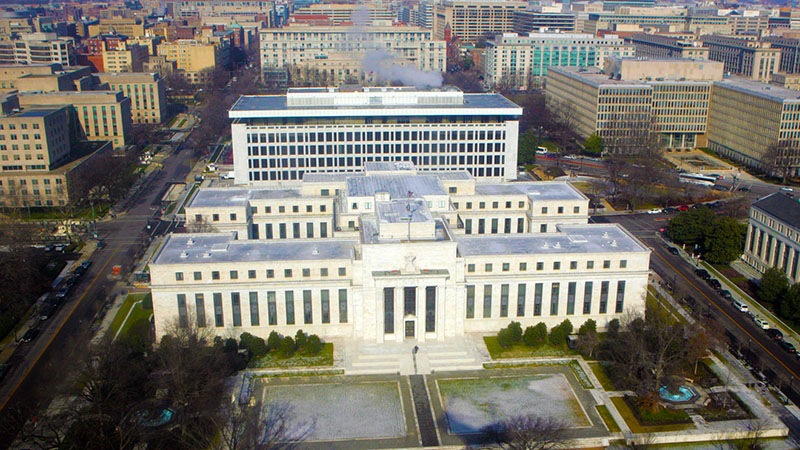
Implications for Federal Reserve Independence
This ruling reinforces the principle of central bank independence from political interference. The court's decision sends a clear message that attempts to remove Federal Reserve governors must withstand rigorous legal scrutiny. This protection is crucial for maintaining monetary policy stability and preventing political manipulation of economic decision-making.
The case continues to unfold within the federal court system, with further legal proceedings expected. The outcome will likely set important precedents regarding presidential authority over Federal Reserve appointments and removals.