Russia's Infrastructure Attacks in Ukraine: Civilian Impact and International Response
Ukrainian President Volodymyr Zelenskyy has confirmed that Russian forces are systematically targeting civilian infrastructure, residential areas, and non-military enterprises in Ukraine. These attacks represent a significant escalation in the conflict, directly affecting civilian populations and raising serious humanitarian concerns. The strategic targeting of essential services and civilian structures has drawn international condemnation and calls for increased protection of non-combatants.
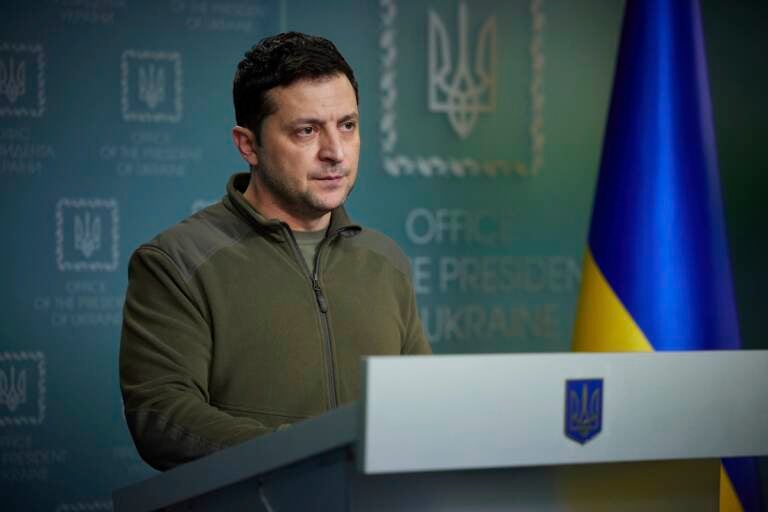
Ukrainian President Volodymyr Zelenskyy's recent statement highlights a disturbing shift in Russia's military strategy in Ukraine. 'The enemy's target was our infrastructure, residential areas and civilian enterprises,' the president declared, underscoring the deliberate nature of these attacks on non-military targets. This development represents a significant escalation in the ongoing conflict, with profound implications for civilian safety and international humanitarian law.
Nature of the Attacks
The systematic targeting of civilian infrastructure represents a strategic shift in military operations. Unlike conventional warfare that focuses on military assets, these attacks aim to disrupt daily life, destroy economic capacity, and demoralize the civilian population. Residential areas, power grids, water treatment facilities, and communication networks have all become targets, creating humanitarian crises in affected regions.
Humanitarian Implications
The deliberate targeting of civilian infrastructure violates fundamental principles of international humanitarian law, particularly the principle of distinction between military and civilian objects. These attacks have resulted in civilian casualties, displacement, and the destruction of essential services that communities depend on for survival. The long-term impact on public health, education, and economic stability cannot be overstated.
International Response
The international community has condemned these tactics as violations of the Geneva Conventions and international law. Various organizations and governments have called for investigations into potential war crimes and have demanded that Russia cease attacks on civilian infrastructure. However, the effectiveness of these diplomatic efforts remains limited without stronger enforcement mechanisms.
Strategic Objectives
Military analysts suggest that targeting civilian infrastructure serves multiple strategic purposes for Russian forces. It aims to pressure the Ukrainian government by making governance more difficult, disrupt military supply chains by damaging transportation networks, and create refugee crises that strain neighboring countries' resources. Additionally, these tactics may be intended to break civilian morale and reduce support for continued resistance.
Future Implications
The normalization of attacking civilian infrastructure sets a dangerous precedent for future conflicts worldwide. If these tactics go unpunished, other conflict zones may see similar strategies employed, potentially leading to increased civilian suffering in wars globally. The international community faces a critical test in responding effectively to protect civilian populations and uphold international humanitarian standards.
The situation in Ukraine continues to evolve, with civilian infrastructure remaining vulnerable to attacks. The international response, including humanitarian aid and diplomatic pressure, will be crucial in mitigating the impact on civilians and upholding the principles of international law that protect non-combatants during armed conflict.