Government Shutdown Looms as Stopgap Funding Measures Fail in Congress
With the September 30 deadline approaching, both House Republicans and Senate Democrats have failed to pass temporary funding measures to avoid a government shutdown. House Republicans proposed a seven-week continuing resolution that was quickly blocked by Senate Democrats, while the Senate's own alternative also fell short. This legislative gridlock creates significant uncertainty about government operations and services as Congress struggles to reach a consensus on funding.
As the September 30 deadline for government funding rapidly approaches, Congress finds itself in a familiar pattern of legislative gridlock that threatens to trigger a partial government shutdown. The latest developments saw House Republicans advance a seven-week continuing resolution, only to have it blocked within hours by Senate Democrats. The Senate's alternative proposal similarly failed to gain sufficient support, leaving both chambers without a clear path forward.
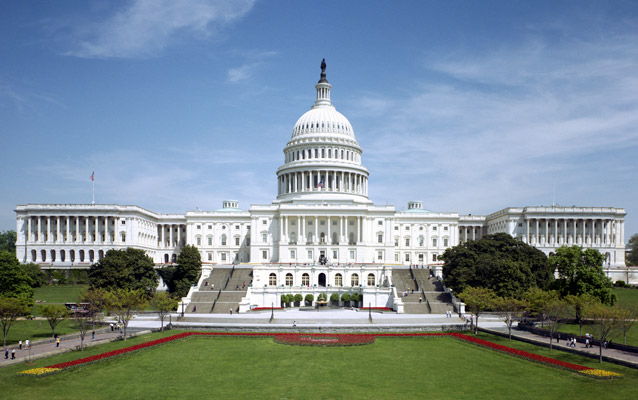
The House Republican proposal represented a temporary measure designed to buy additional time for more comprehensive budget negotiations. This seven-week continuing resolution would have maintained current funding levels while allowing lawmakers to continue discussions on longer-term appropriations. However, the measure faced immediate opposition in the Senate, where Democrats argued it failed to address critical priorities and contained provisions they found unacceptable.
Senate Response and Alternative Proposal
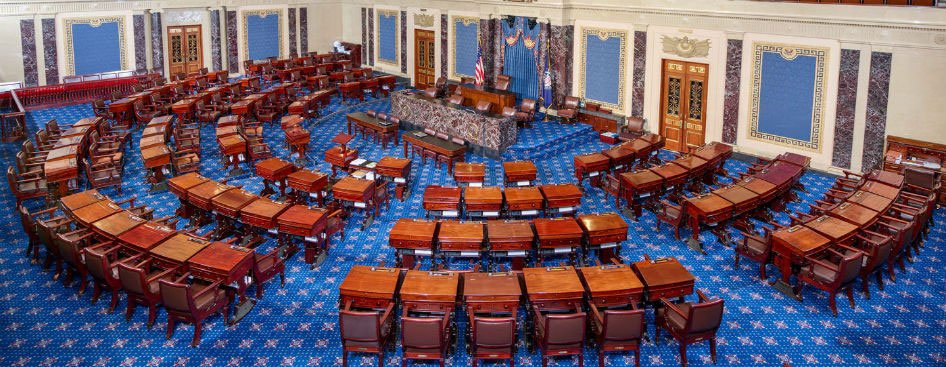
Following the House action, Senate Democrats moved quickly to block the Republican proposal. Senate Majority Leader Chuck Schumer characterized the House bill as inadequate and containing problematic elements that made it unacceptable for Democratic support. The Senate then attempted to advance its own version of a stopgap measure, but this alternative also failed to secure the necessary votes, particularly from Republican senators who opposed its provisions.
Implications of the Legislative Impasse
The failure of both proposals creates significant uncertainty about government operations beyond September 30. Without a funding agreement, non-essential government functions would begin to shut down, affecting numerous federal agencies and services. Essential services would continue, but many government employees would face furloughs, and various public services would be disrupted.
This development represents the latest chapter in ongoing budget battles that have become increasingly common in recent years. The situation highlights the deep partisan divisions that continue to characterize budget negotiations in Congress, with both parties struggling to find common ground on spending priorities and policy riders.
Next Steps and Potential Resolution
Lawmakers now face increasing pressure to find a compromise before the deadline. Options include negotiating a modified version of either proposal, developing a completely new compromise measure, or potentially passing a very short-term extension to allow for additional negotiation time. However, with trust between the parties at a low point and fundamental disagreements on spending levels and policy priorities, finding a solution remains challenging.
The coming days will be critical as congressional leaders from both parties and the White House likely engage in intensive negotiations to avoid a shutdown. The outcome will have significant implications for government operations, federal employees, and the millions of Americans who rely on various government services.