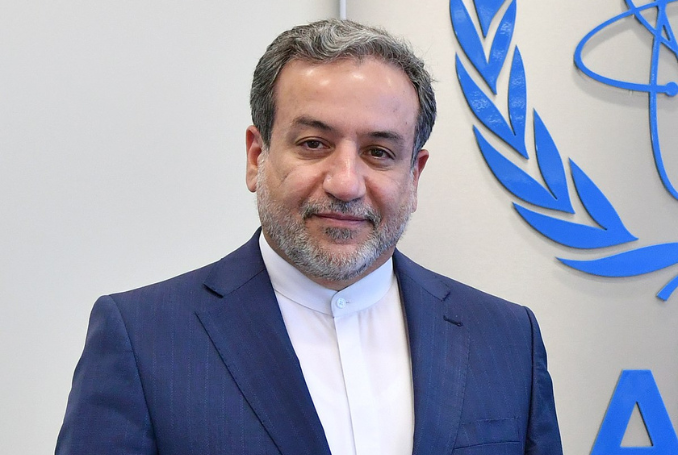
UN Security Council Rejects Resolution to Halt Iran Sanctions
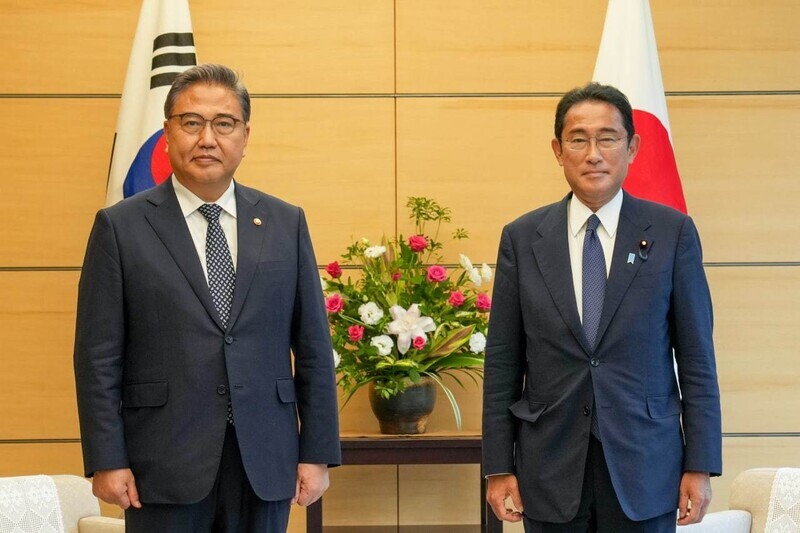
The United Nations Security Council has voted against a resolution that sought to prevent the reinstatement of sanctions on Iran under the 2015 nuclear deal. South Korea, as the current council president, proposed the measure which failed to secure the required nine votes from the 15-member body. This decision means that the series of sanctions, known as 'snapback' provisions, will take effect at the end of the month as outlined in the original nuclear agreement with world powers.
The United Nations Security Council has rejected a resolution that would have prevented the automatic reinstatement of sanctions against Iran under the terms of the 2015 nuclear agreement. The resolution, put forward by South Korea in its capacity as the current president of the 15-member council, failed to secure the minimum nine votes required for adoption.
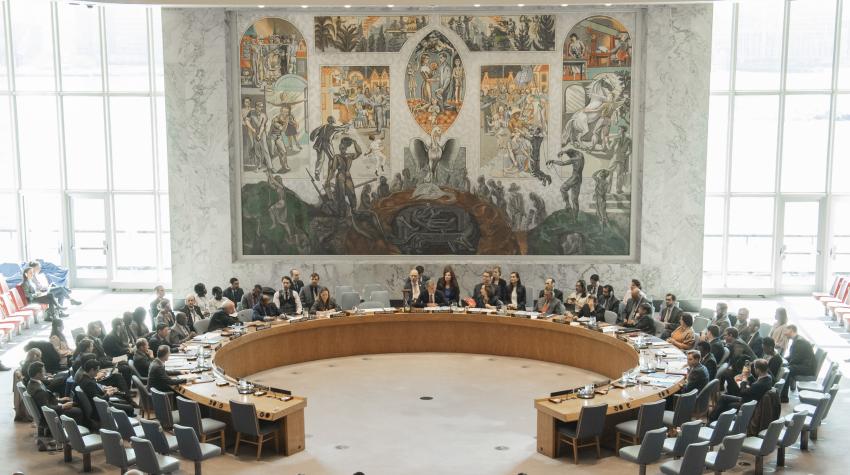
This outcome means that the so-called 'snapback' sanctions mechanism will proceed as scheduled, with a series of restrictions set to take effect at the end of the current month. The snapback provision was a key component of the Joint Comprehensive Plan of Action (JCPOA), the formal name for the 2015 nuclear deal between Iran and world powers including the United States, United Kingdom, France, Germany, Russia, and China.
Voting Process and Requirements
The Security Council operates under specific voting procedures that require a minimum of nine affirmative votes from its 15 members for a resolution to pass, provided none of the five permanent members exercise their veto power. The failed resolution specifically addressed the automatic reinstatement of sanctions that were previously lifted under the nuclear agreement.
Implications for Iran Nuclear Deal
The failure to pass this resolution has significant implications for the future of the Iran nuclear deal. The snapback mechanism was designed as a failsafe measure to automatically restore UN sanctions if Iran were found to be in violation of its nuclear commitments. With the resolution rejected, the scheduled sanctions will now take effect, potentially complicating diplomatic efforts and international relations surrounding Iran's nuclear program.
This development occurs amid ongoing tensions and discussions about the future of the JCPOA, which has faced numerous challenges since its implementation. The automatic reinstatement of sanctions represents a critical moment in the agreement's history and may influence future negotiations and diplomatic approaches to Iran's nuclear activities.