Pope Leo XIV Affirms Church Focus Over U.S. Political Involvement
Pope Leo XIV has clarified his position regarding U.S. politics, stating he has no intention of direct involvement but will continue to address issues important to the Catholic Church. The pontiff specifically mentioned immigration as a key concern where he will raise his voice, emphasizing the Church's role in moral guidance rather than political partisanship. This approach maintains the Vatican's traditional stance while addressing contemporary social issues.
In a significant statement clarifying the Vatican's position, Pope Leo XIV has explicitly stated that he has no intention of getting involved in U.S. politics directly. However, the pontiff emphasized that he will continue to raise his voice on matters of concern to the Catholic Church, particularly highlighting immigration as a key issue where moral guidance is needed.

This position reflects the delicate balance the Vatican maintains between providing moral leadership and avoiding direct political entanglement. The Catholic Church has historically weighed in on social issues while maintaining its independence from specific political systems or parties.
Church Priorities Over Political Involvement
Pope Leo XIV's statement underscores the Vatican's preference for focusing on core Church teachings and moral guidance rather than engaging in partisan political debates. This approach allows the Church to maintain its spiritual authority while addressing contemporary social issues from a moral perspective.
The pontiff's position acknowledges the complex relationship between religious leadership and political systems, particularly in countries with strong separation of church and state principles like the United States.

Immigration as a Key Concern
Immigration emerges as a primary issue where Pope Leo XIV intends to maintain an active voice. The Catholic Church has consistently advocated for compassionate treatment of migrants and refugees, viewing immigration through the lens of human dignity and family unity.
This focus aligns with longstanding Church teachings that emphasize the importance of welcoming strangers and protecting the most vulnerable members of society. The Pope's commitment to speaking on immigration matters reflects the Church's global perspective on human mobility and dignity.
The Vatican's approach to immigration typically emphasizes moral principles rather than specific policy prescriptions, allowing the Church to provide guidance while respecting the political processes of individual nations.
Historical Context of Papal Statements
The current Pope's position continues a tradition of careful diplomatic engagement by the Holy See. Modern popes have typically avoided direct involvement in specific national political contests while maintaining the right to speak on moral issues that intersect with public policy.
This balanced approach allows the Vatican to maintain relationships with governments across the political spectrum while upholding Church teachings on social justice matters. The distinction between moral guidance and political endorsement remains a crucial aspect of papal diplomacy.
Pope Leo XIV's statement reinforces this tradition, indicating that while the Church will address issues of moral importance, it will do so without aligning with specific political parties or candidates.
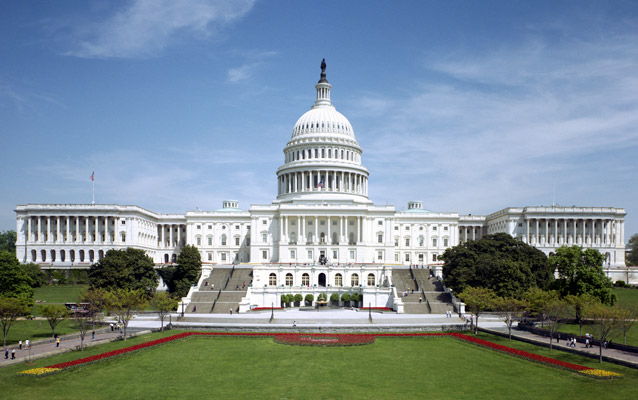
Implications for Church-State Relations
The Pope's clarified position has significant implications for how the Catholic Church engages with political systems worldwide. By maintaining focus on moral principles rather than political alignment, the Vatican preserves its ability to work with diverse governments and political leaders.
This approach also helps prevent the perception of the Church being co-opted by particular political movements or parties. It allows Catholic leaders to critique policies from any political perspective when they conflict with Church teaching.
The emphasis on immigration as a key concern reflects the global nature of both the Catholic Church and contemporary migration patterns, positioning the Vatican to address an issue that transcends national boundaries.
Pope Leo XIV's statement represents a continuation of the Vatican's careful navigation between moral leadership and political neutrality, ensuring the Church remains relevant to contemporary issues while maintaining its spiritual mission.