Israel's Northern Border Conflict: Tensions Escalate in Southern Lebanon
As Israel continues its military operations in Gaza, tensions remain high along its northern border with Lebanon. Despite a ceasefire agreement that called for Israeli withdrawal by January, the military has recently expanded its presence, citing Hezbollah violations and security threats. Southern Lebanese residents face significant hardships under ongoing occupation, with daily life disrupted by military checkpoints, economic strain, and constant security concerns. This situation reflects the complex geopolitical dynamics in the region and the challenges of maintaining stability amid ongoing conflicts.
While international attention remains focused on Israel's military operations in Gaza, a simmering conflict continues to escalate along the country's northern border with Lebanon. This ongoing tension represents a critical secondary front in Israel's regional security challenges, with significant implications for both nations and the broader Middle East stability.
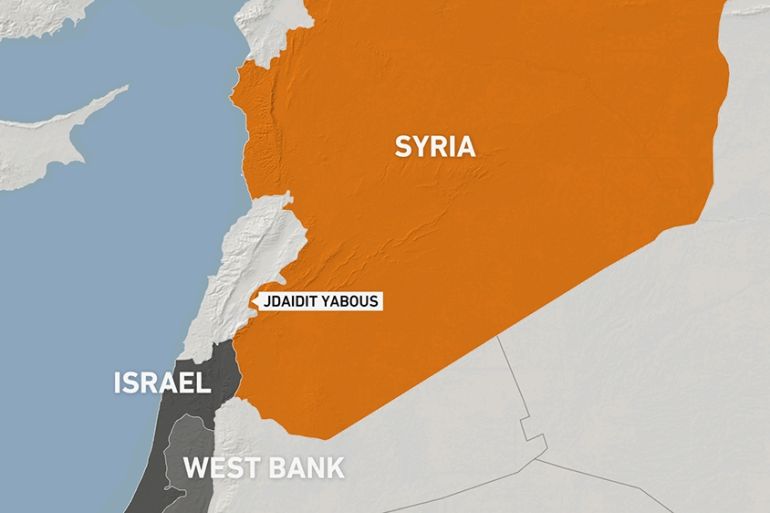
The current situation stems from a ceasefire agreement that was supposed to facilitate Israeli military withdrawal from southern Lebanese territories by January. However, recent developments have seen Israel expanding rather than reducing its military footprint in the region. Israeli officials justify this escalation by pointing to alleged violations of the ceasefire terms by Hezbollah, which they characterize as an ongoing and active security threat.
Military Expansion and Security Justifications
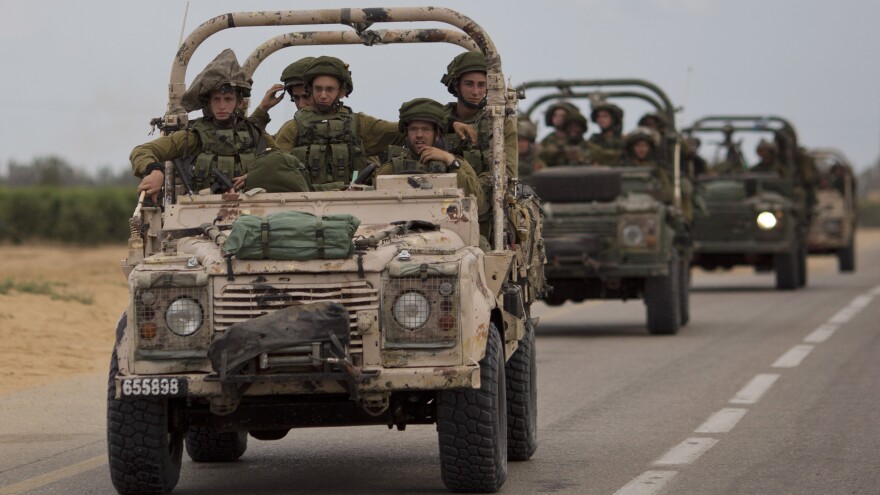
Israel's military leadership has publicly stated that Hezbollah's activities in southern Lebanon constitute a clear violation of the established ceasefire agreement. According to Israeli defense officials, Hezbollah has maintained and even strengthened its military infrastructure near the border, including weapon stockpiles and observation posts that threaten Israeli security. This assessment has led to the recent expansion of Israeli military operations in the area.
Impact on Southern Lebanese Residents
The ongoing military presence and recent escalation have created severe hardships for residents of southern Lebanon. Local communities face daily challenges including military checkpoints, restricted movement, and economic disruption. Many residents report difficulties accessing basic services, agricultural lands, and employment opportunities due to the security situation.
According to reports from the region, the constant military activity has created an atmosphere of uncertainty and fear among civilian populations. Schools and businesses operate irregularly, and many families have been displaced from border areas due to security concerns. The economic impact has been particularly severe, with local markets suffering and agricultural production disrupted.
Geopolitical Implications
The situation along the Israel-Lebanon border reflects broader regional tensions and the complex interplay between state actors and non-state militias. Hezbollah's role as both a political party and military organization in Lebanon complicates diplomatic efforts to resolve the border tensions. The group's alignment with Iranian interests further adds layers to the geopolitical dynamics at play.

International observers, including United Nations peacekeeping forces stationed in southern Lebanon, have expressed concern about the escalating tensions. Diplomatic efforts continue behind the scenes to prevent a broader conflict from erupting, but the fundamental disagreements between the parties involved make resolution challenging.
Future Outlook and Regional Stability
The persistence of conflict along Israel's northern border underscores the fragile nature of regional security arrangements. The interconnection between the Gaza conflict and tensions with Lebanon demonstrates how localized conflicts can quickly escalate and affect multiple fronts. The situation requires careful diplomatic management to prevent further deterioration.
As both sides maintain their positions, the risk of miscalculation or accidental escalation remains significant. The international community continues to monitor developments closely, recognizing that stability along the Israel-Lebanon border is crucial for broader Middle East peace efforts.