Poland Contradicts Trump's Claim on Alleged Russian Drone Incursions
Poland has publicly rejected U.S. President Donald Trump's suggestion that alleged Russian drone incursions into Polish airspace could have been accidental. This rare contradiction from one of Washington's closest European allies highlights growing tensions over border security and represents a significant diplomatic development in NATO-Russia relations. The Polish government's firm stance demonstrates its commitment to national sovereignty and signals potential shifts in transatlantic security dynamics.
In a notable diplomatic development, Poland has openly contradicted U.S. President Donald Trump's characterization of alleged Russian drone incursions into Polish airspace. The Polish government firmly rejected the suggestion that these violations could have been accidental, marking a rare public disagreement from one of Washington's most steadfast European allies. This incident represents a significant moment in NATO-Russia relations and underscores the complex dynamics of transatlantic security cooperation.

Diplomatic Significance
The Polish rejection of President Trump's assessment carries substantial diplomatic weight. As one of NATO's easternmost members and a key U.S. ally in the region, Poland has typically maintained strong alignment with American positions on security matters. This public divergence suggests evolving dynamics within the transatlantic alliance and reflects Poland's firm stance on matters of national sovereignty and border integrity.
Security Implications
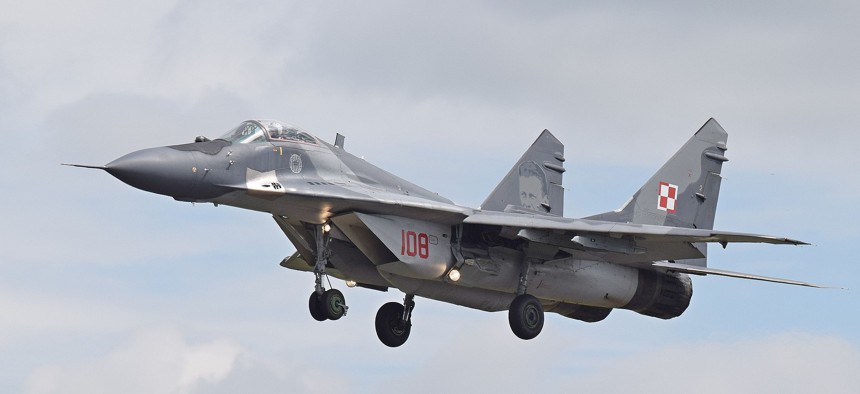
The incident highlights ongoing tensions along NATO's eastern flank and raises questions about airspace security protocols. Poland's assertive response indicates the seriousness with which it views potential border violations, particularly given its strategic position bordering both Russia's Kaliningrad exclave and Belarus. This development may influence future NATO discussions regarding air defense coordination and response mechanisms to aerial incursions.

Regional Security Context
This diplomatic exchange occurs against the backdrop of heightened security concerns in Eastern Europe. The region has experienced increased military activity and border tensions following Russia's actions in Ukraine. Poland's firm position on the drone incident reflects broader regional anxieties about border security and demonstrates the country's commitment to maintaining strict sovereignty over its airspace.
The Polish government's response also signals its determination to address security threats directly, without minimizing potential risks. This approach aligns with Poland's substantial investments in military modernization and border security infrastructure in recent years, reflecting its strategic priority on national defense capabilities.
The diplomatic disagreement between Poland and the United States over the characterization of alleged Russian drone incursions represents a significant moment in transatlantic relations. While both nations remain committed to the NATO alliance, this incident demonstrates that even close allies may diverge on specific security assessments. Poland's firm stance underscores its commitment to national sovereignty and border security, while also highlighting the complex challenges facing NATO members in maintaining coordinated responses to potential threats along the alliance's eastern frontier.