Tragic Zookeeper Attack Highlights Wildlife Safety Protocols
A fatal incident at a Thailand safari park resulted in the death of a zookeeper after lions attacked him when he stepped out of his vehicle. This tragedy underscores the critical importance of strict safety protocols and proper training for wildlife handlers. The incident serves as a sobering reminder of the inherent risks involved in working with large predators and the need for continuous safety evaluations in animal care facilities worldwide.
A tragic incident at a safari park in Thailand has resulted in the death of a zookeeper after he was attacked by lions when stepping out of his vehicle. This devastating event highlights the critical importance of safety protocols and proper training for wildlife professionals working with dangerous animals.
Incident Overview
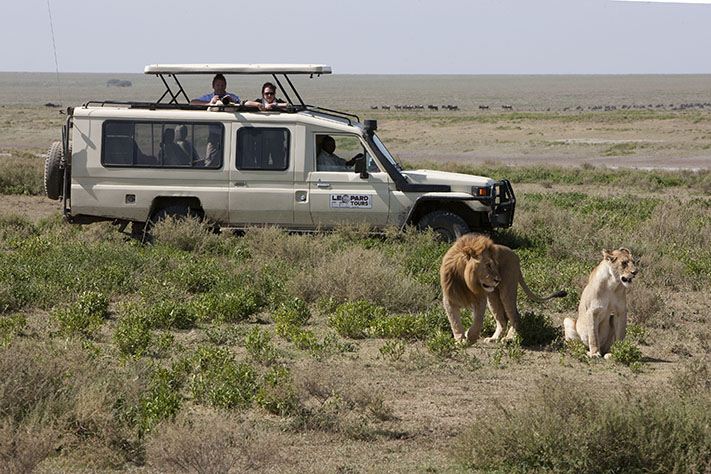
The fatal attack occurred when the experienced zookeeper exited his vehicle within the lion enclosure at the safari park. Despite extensive safety protocols typically in place at such facilities, the situation escalated rapidly, resulting in the tragic outcome. Wildlife experts emphasize that even experienced handlers must maintain constant vigilance when working with large predators.
Safety Protocols and Risk Management
Professional wildlife facilities implement multiple layers of safety measures to protect both animals and handlers. These typically include vehicle safety systems, communication protocols, emergency response plans, and continuous staff training. The incident serves as a sobering reminder that wildlife management always carries inherent risks that require constant attention and protocol refinement.

Industry Response and Best Practices
The wildlife care community typically responds to such incidents with thorough investigations and protocol reviews. Best practices include regular safety drills, updated emergency procedures, and comprehensive risk assessments. Facilities worldwide often use these tragic events as learning opportunities to enhance safety measures and prevent similar occurrences.
This tragic incident underscores the delicate balance between animal conservation efforts and human safety. While wildlife professionals dedicate their lives to animal care and preservation, events like this serve as critical reminders of the constant vigilance required when working with powerful predators in any capacity.