Read on the Guardian
Príncipe's Pioneering Conservation Dividend: A Billionaire-Funded Model for Sustainable Development
On the remote West African island of Príncipe, a groundbreaking experiment is unfolding. Funded by South African billionaire Mark Shuttleworth, the Faya Foundation project pays nearly 3,000 villagers quarterly dividends for following environmental protection codes. This innovative approach aims to make local residents stewards of their unique ecosystem while providing transformative economic benefits. With over 60% of the adult population participating, the initiative offers a potential model for protecting irreplaceable environments worldwide through direct community investment.
In the remote archipelago of São Tomé and Príncipe, a revolutionary approach to conservation and sustainable development is taking root. Funded by South African billionaire Mark Shuttleworth, the Faya Foundation has launched a pioneering project on the island of Príncipe that directly compensates villagers for protecting their unique ecosystem. This initiative represents a significant departure from traditional conservation models, placing economic empowerment and environmental stewardship directly in the hands of local communities.

The project's core mechanism is strikingly simple yet profoundly impactful: villagers who agree to follow an environmental protection code receive quarterly cash dividends. To date, nearly 3,000 residents have joined the program, representing more than 60% of the adult population on the island. The first payment of up to €816 has been delivered—a substantial amount in a region where many previously had no bank accounts and limited experience with formal financial systems.
The Historical Context of Príncipe's Unique Ecosystem
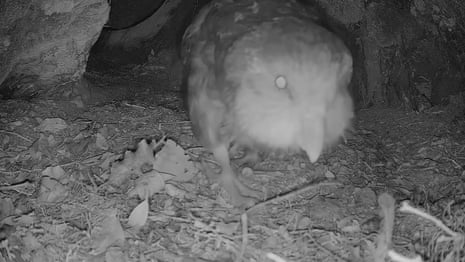
Príncipe's ecological significance has been recognized since Portuguese navigators first encountered the island in 1471. Measuring just 20 miles long and separated from the African mainland by over 160 miles of ocean, both Príncipe and its larger neighbor São Tomé evolved unique rainforest ecosystems where giant land snails and crabs served as top predators. This isolation created what scientists now call the "African Galapagos," with new species still being discovered regularly, including a previously unknown owl species identified during recent scientific expeditions.
The island's colonial history established a cacao plantation economy that collapsed after independence in 1975. Descendants of slaves and laborers from Angola and Cabo Verde became tight-knit communities of subsistence farmers, often living in deteriorating colonial-era buildings. As economic pressures mounted, residents were pushed deeper into unexplored forest areas, cutting trees and foraging in ways that threatened the island's delicate ecological balance.
The Faya Foundation's Comprehensive Approach
Mark Shuttleworth's involvement began in 2010 with what initially seemed like a simple real estate venture. However, his vision quickly evolved into a comprehensive philanthropic mission. According to The Guardian's reporting, Shuttleworth recognized that traditional development paths would likely involve deforestation for cash crops like "fair trade" peppercorns. Instead, he sought to create a model that rewarded residents as "stewards of their precious environment."
The foundation's work extends beyond dividend payments. Faya is actively involved in school improvements, revitalizing the moribund cacao business, and providing essential financial education to communities with limited banking experience. The organization has also constructed new villages, offering improved living conditions while maintaining environmental standards. As project CEO Jorge Alcobia explains, "We have to explain that it's not free money. Dividends are reduced, for example, if there's unauthorized tree-felling."
Transformative Impact on Local Communities
The economic impact of the dividends is already evident in communities across Príncipe. Agricultural worker Kimilson Lima, 43, from Porto Real, expressed his plans for the payment: "With this money we can have a proper floor in the house. And an inside toilet." For many residents, these basic improvements represent significant enhancements to quality of life.

Other participants are investing in skills development and business opportunities. Clara Gomes, a resident of one newly constructed village, plans to use her dividend for "a new kitchen and training in carpentry." Her neighbor Edmundo has found a reliable buyer for his cacao through the project after previously having "no one to buy it before." He now hopes the foundation might expand to purchasing vanilla as well.
The project has also created unexpected career opportunities. Former forager Yodiney dos Santos has transformed his deep knowledge of the forest into a profession as a wildlife guide, leading scientific expeditions that have contributed to the discovery of new species. His experience highlights both the ecological challenges and opportunities: "My ancestors came here from Angola and, for food, they brought the edible West African snail, which then escaped. Now those snails are pushing out the endemic Príncipe snails."
Challenges and Future Implications
Despite widespread participation, some skepticism remains within the community. One bystander voiced concerns about creating a monopoly and questioned potential consequences: "What if everyone buys motorbikes and chainsaws?" These questions highlight the delicate balance between economic development and environmental protection that the project must maintain.
With a total commitment of approximately £87 million from Shuttleworth's fortune, the initiative represents a substantial long-term investment. The project's success could have far-reaching implications for conservation efforts worldwide. As Shuttleworth himself notes, "If it's successful, I hope other irreplaceable ecosystems might benefit from the idea at scale."
Felipe Nascimento, president of Príncipe's self-governing region, captures the transformative potential of the initiative: "This will be truly transformative, both for nature and for the people." The project offers a compelling alternative to conventional development models, demonstrating how direct economic incentives can align community interests with environmental conservation goals.
As this unique social experiment continues to unfold, it provides valuable insights into sustainable development approaches that prioritize both ecological preservation and human dignity. The Príncipe model suggests that the most effective conservation strategies may be those that recognize local communities not as obstacles to environmental protection, but as essential partners and beneficiaries in preserving our planet's most vulnerable ecosystems.