Chicago Braces for Federal Crackdown as Trump Signals Troop Deployment
Chicago residents and officials are preparing for potential federal intervention as former President Donald Trump signals plans to send troops and ICE agents to the city. Trump's recent social media post referencing the 'Department of WAR' has heightened tensions in a city already grappling with crime and immigration issues. This development raises significant questions about federal-local relations and the potential impact on Chicago's communities.
Chicago finds itself at the center of a brewing political storm as former President Donald Trump signals his intention to deploy federal troops and Immigration and Customs Enforcement (ICE) agents to the city. The announcement, made through Trump's Truth Social platform, has sparked immediate concern among residents, local officials, and community leaders who are now bracing for potential federal intervention.
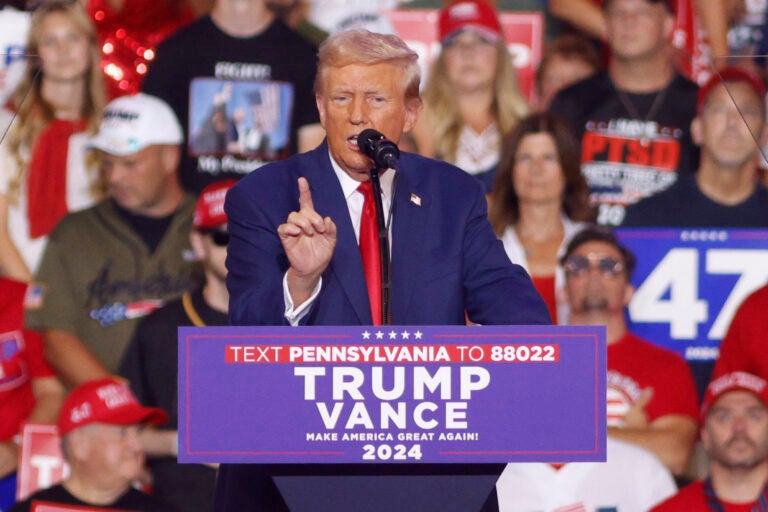
The former president's weekend post, which declared "Chicago about to find out why it's called the Department of WAR," represents a significant escalation in rhetoric surrounding crime and immigration enforcement. This statement comes amid ongoing debates about federal authority and local autonomy, particularly in cities that have adopted sanctuary policies.
Political Context and Implications
The potential deployment of federal forces to Chicago represents a complex intersection of law enforcement, immigration policy, and political strategy. Trump's approach mirrors tactics used during his presidency, where he frequently threatened federal intervention in cities he perceived as having inadequate crime control or immigration enforcement.

Local officials have expressed concern about the implications of such a deployment, particularly regarding the relationship between federal agencies and Chicago's law enforcement community. The city has historically maintained a delicate balance between cooperating with federal authorities on certain matters while upholding its sanctuary city status for immigration purposes.
Community Response and Concerns
According to coverage from PBS NewsHour, Chicago residents are reacting with a mixture of apprehension and uncertainty. Community leaders worry that increased federal presence could strain police-community relations and create additional challenges for immigrant communities already facing uncertainty.
The potential deployment raises questions about the practical implementation of such an operation and its impact on daily life in Chicago neighborhoods. Residents are particularly concerned about the possibility of increased immigration enforcement actions and the broader implications for civil liberties.
Legal and Constitutional Considerations
The proposed federal intervention touches on significant constitutional questions regarding the balance of power between federal and local authorities. Legal experts note that while the federal government has certain authorities to enforce immigration laws, the deployment of military or paramilitary forces for domestic law enforcement raises complex legal issues.

Chicago's status as a sanctuary city adds another layer of complexity to the situation. The city has policies limiting cooperation with federal immigration enforcement in certain circumstances, which could create tension if federal agents attempt to conduct widespread operations.
Looking Ahead
As the situation develops, Chicago officials are preparing for various scenarios while advocating for their community's interests. The city's leadership faces the challenge of balancing public safety concerns with protecting residents' rights and maintaining community trust.
The coming weeks will likely see continued dialogue between local and federal authorities, legal challenges, and community organizing efforts. The outcome of this potential confrontation could have significant implications for how federal immigration enforcement is conducted in urban centers across the United States.