RFK Jr. Criticizes CDC's COVID-19 Response Policies
Robert F. Kennedy Jr. has launched strong criticism against the Centers for Disease Control and Prevention, accusing the agency of disastrous COVID-19 policies that harmed small businesses, violated civil liberties, and caused generational educational damage. His comments come amid discussions about CDC restructuring and pandemic response evaluation.
Robert F. Kennedy Jr. has delivered scathing criticism of the Centers for Disease Control and Prevention's handling of the COVID-19 pandemic, calling the agency's policies "disastrous" and "nonsensical." His remarks highlight ongoing debates about public health authority and pandemic response strategies that continue to shape political and public health discussions.
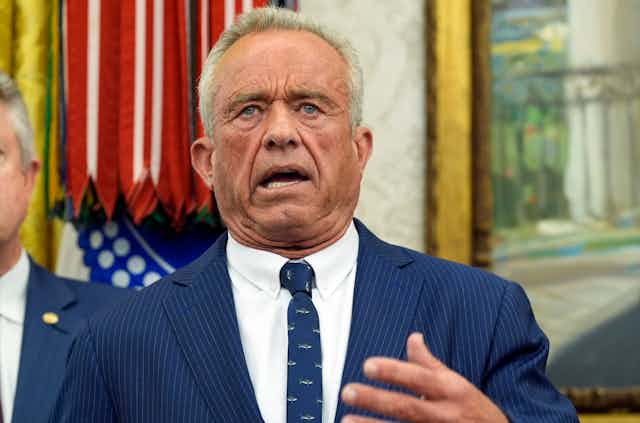
The presidential candidate specifically targeted what he characterized as the CDC's failure to uphold its responsibilities during the health crisis. Kennedy's comments reflect broader concerns about the balance between public health measures and individual freedoms that emerged during the pandemic response.
Specific Policy Criticisms
Kennedy outlined multiple areas where he believes the CDC failed in its COVID-19 response. His criticism extends beyond general policy disagreements to specific allegations of harm caused by the agency's decisions. These concerns touch upon economic, educational, and civil liberty issues that remain contentious topics in post-pandemic analysis.
The presidential candidate argued that the CDC's approach resulted in significant negative consequences across multiple sectors of American society. His statements contribute to ongoing evaluations of pandemic management strategies and their long-term impacts on various aspects of public life.
Broader Implications for Public Health
Kennedy's criticism raises important questions about the role of federal health agencies during public health emergencies. His comments come at a time when many institutions are reassessing their pandemic response protocols and considering reforms for future health crises.

The discussion surrounding CDC's performance during COVID-19 reflects broader debates about government authority, scientific decision-making, and public trust in health institutions. These conversations are likely to influence future public health policy development and emergency response planning.
As the nation continues to process the lessons from the pandemic, criticisms like those from Kennedy contribute to important dialogues about improving public health infrastructure and response mechanisms for future challenges.