Israel Kills Hamas Spokesperson Abu Obeida Amid Escalating Gaza Conflict
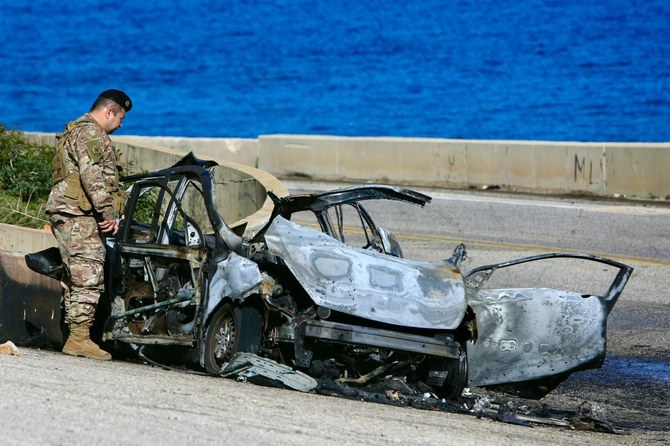
Israeli forces have confirmed the killing of Hamas spokesperson Abu Obeida in Gaza, marking a significant development in the ongoing conflict. The weekend saw at least 43 Palestinian casualties amid renewed fighting, worsening humanitarian conditions including severe hunger crises and mass displacement. This escalation comes as both sides continue military operations, exacerbating the already dire situation for civilians trapped in the conflict zone.
The ongoing conflict between Israel and Hamas has reached a critical juncture with Israeli forces confirming the targeted killing of Hamas spokesperson Abu Obeida in Gaza. This development represents a significant escalation in military operations, occurring alongside a weekend that witnessed at least 43 Palestinian fatalities. The situation continues to deteriorate rapidly, with humanitarian conditions reaching catastrophic levels across the Gaza Strip.
Military Operations Intensify
Israeli military operations have intensified significantly over recent days, with targeted strikes becoming more frequent and precise. The elimination of Abu Obeida, a prominent Hamas figure and spokesperson, demonstrates Israel's continued focus on dismantling Hamas's leadership structure. This strategic move follows patterns of previous targeted operations against high-profile Hamas officials.
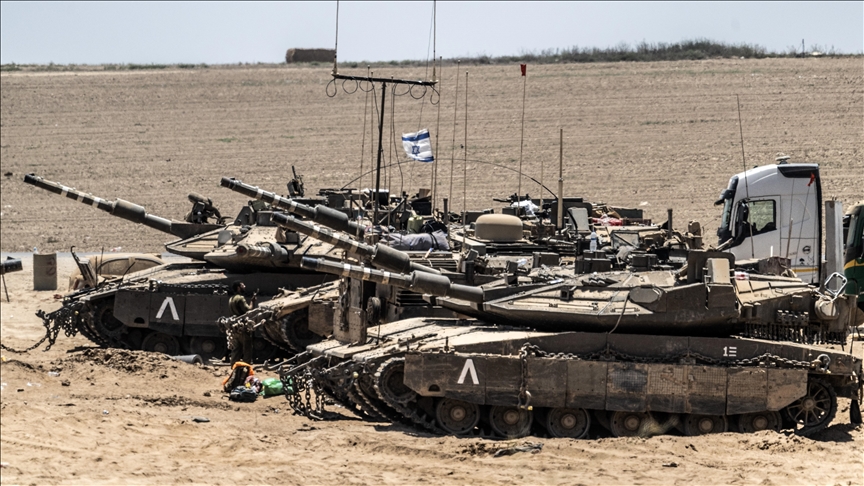
The confirmation of Obeida's death comes amid increased aerial and ground operations throughout Gaza. Israeli forces have been conducting systematic searches and targeted strikes against Hamas infrastructure, weapons depots, and command centers. These operations have resulted in numerous casualties on both sides, though Palestinian civilian deaths have been disproportionately high according to various international observers.
Humanitarian Crisis Worsens
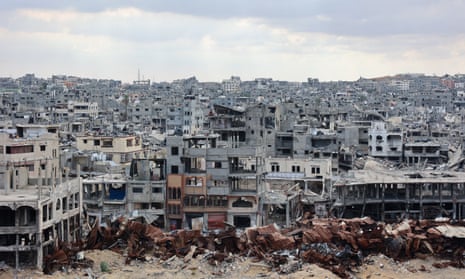
The conflict has created an unprecedented humanitarian emergency in Gaza. Mass displacement continues as thousands of Palestinians flee their homes seeking safety from ongoing military operations. United Nations agencies report that over 85% of Gaza's population has been displaced at least once since the conflict began, with many families moving multiple times as fighting shifts between different areas.
Food insecurity has reached critical levels, with aid organizations warning of famine conditions in northern Gaza. The World Food Programme reports that nearly the entire population requires food assistance, with many families surviving on one meal per day or less. Medical facilities operate with severe shortages of supplies, electricity, and trained personnel, making adequate healthcare nearly impossible for most residents.
International Response and Diplomatic Efforts
The international community continues to call for immediate ceasefires and humanitarian access. Various nations and international organizations have expressed growing concern about the escalating violence and deteriorating humanitarian situation. Diplomatic efforts have intensified, though achieving a lasting ceasefire remains challenging due to the complex political dynamics and deeply entrenched positions on both sides.
United Nations Security Council meetings have addressed the crisis multiple times, with member states divided on appropriate responses and solutions. Human rights organizations continue to document violations and call for accountability mechanisms. The International Court of Justice has been involved in proceedings related to the conflict, adding another layer to the international dimension of this ongoing crisis.

Regional Implications and Future Outlook
The conflict's impact extends beyond Gaza's borders, affecting regional stability and international relations. Neighboring countries face political pressure and security concerns, while global powers navigate complex diplomatic relationships. The situation continues to evolve rapidly, with potential implications for broader Middle East politics and international security frameworks.
As military operations continue and humanitarian conditions worsen, the path toward resolution remains uncertain. Both sides maintain their strategic objectives, with Israel focused on eliminating Hamas's military capabilities and Hamas continuing resistance operations. The international community's ability to mediate a sustainable solution will be crucial in determining the conflict's duration and ultimate resolution.