Read on bbc.com
Abdullah Ibrahim: A Life Defining South African Jazz
Abdullah Ibrahim, the legendary South African jazz pianist and composer, has passed away at the age of 91. His career spanned eight decades, during which he helped define the genre of South African jazz. From his early days as Dollar Brand with the Jazz Epistles to his iconic composition 'Mannenberg,' which became an anthem against apartheid, Ibrahim's music was a powerful blend of South African vocal traditions and jazz improvisation. This article explores his life, his legacy, and his profound impact on music and the anti-apartheid struggle.
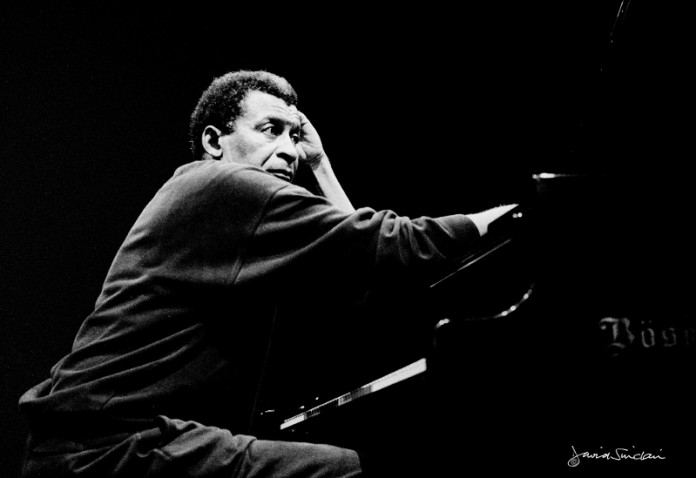
Abdullah Ibrahim, the legendary South African jazz pianist and composer who helped define the sound of a nation and a genre, has died at the age of 91. His family announced that he "passed away peacefully, surrounded by his family in Germany, after a short illness." President Cyril Ramaphosa paid tribute, noting that Ibrahim's "creations honoured the South Africa that shaped his political commitment and musical brilliance." His career, which spanned eight decades, produced dozens of recordings and compositions that became anthems for the anti-apartheid movement, cementing his status as a monumental figure in world music.
Early Life and Musical Beginnings
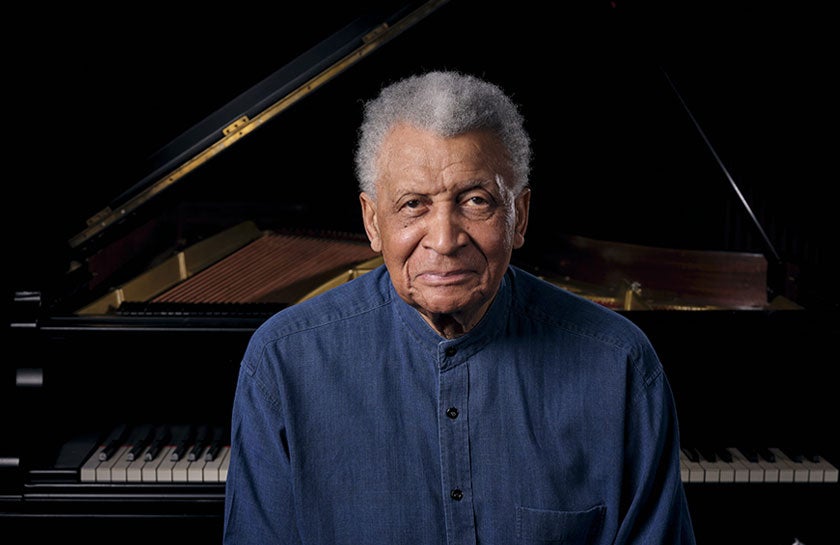
Born Adolph Johannes Brand in 1934, Ibrahim grew up in Cape Town in a vibrant musical environment. He began composing at the piano at the age of seven, instinctively picking out tunes on the keyboard. As a teenager, he immersed himself in the local music scene, playing in a swing band before forming his own trio. His early career saw him co-found a sextet called the Jazz Epistles alongside another South African jazz great, Hugh Masekela. This band was a crucible of talent and is remembered as one of the first major African jazz groups to record an album, setting the stage for Ibrahim's future innovations.
Exile and Rise to International Fame
As the apartheid regime intensified its grip on South Africa after 1948, jazz music, with its inherent values of improvisation and racial mixing, was viewed with suspicion and actively suppressed. The political situation forced the breakup of the Jazz Epistles, and Ibrahim moved to Switzerland. It was there that his life took a pivotal turn. American jazz legend Duke Ellington heard Ibrahim play and was so impressed that he took him to the United States. In the US, Ibrahim's distinctive style began to crystallize—a sound that recalled the landscapes and vocal harmonies of South Africa, seamlessly blending them with the rhythmic freedom and improvisational spirit of jazz, as detailed in a BBC Radio 3 profile.
The Anthem of a Struggle: 'Mannenberg'
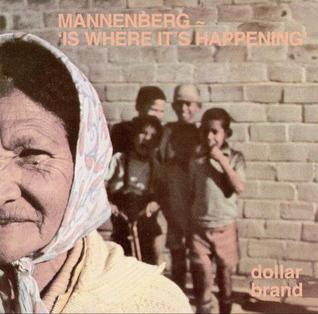
Among his vast repertoire, one composition stands out above all others: the 1974 track Mannenberg. This instrumental piece, with its hypnotic piano melody and powerful saxophone accompaniment, became an unlikely but profound anthem for the struggle against white-minority rule and the system of legalised racism known as apartheid. It resonated deeply with black South Africans, capturing the spirit of resistance and the defiant joy of a people under oppression. The song's title references a coloured township near Cape Town, and its sound is deeply rooted in the musical traditions of that community.
A Legacy of Political and Musical Brilliance
Ibrahim's relationship with South Africa remained profound even though he lived much of his life abroad. He converted to Islam in the late 1960s, changing his name from Dollar Brand to Abdullah Ibrahim, a reflection of his evolving identity. He frequently returned to South Africa to perform and record, always keeping his roots at the heart of his art. His final live performance was at the Cape Town International Jazz Festival less than three months before his death, "where he once again captivated audiences with the artistry, grace and profound musical vision that defined his life's work," his family noted. In her tribute, his partner Dr. Marina Umari said, "Abdullah passed away peacefully with South Africa and its people in his heart. His love for his country never wavered, no matter where in the world he found himself."
Conclusion
Abdullah Ibrahim's death marks the end of an era in South African music. He was more than a musician; he was a cultural historian, a political voice, and a unifying figure. His compositions are a living document of the struggle and the resilience of the human spirit. Ibrahim leaves behind a rich catalog of work that will continue to educate, inspire, and move audiences for generations to come. His life was a testament to the power of art to challenge injustice and to celebrate the beauty of a culture under pressure. As President Ramaphosa reflected, his work "enriched our lives with his musical gifts and his involvement in making the world a better place."